Financial Asset or Disposable Tech - The Value Equation of Umidigi G3 Max
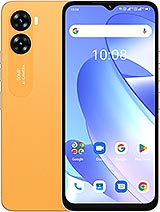
Overview
Umidigi G3 Max is a budget smartphone featuring an 8GB RAM and 128GB UFS 2.1 storage configuration for efficient multitasking and a 5150 mAh battery for extended endurance, aimed at cost-conscious consumers seeking maximum hardware for minimum spend. Released in early 2023, it competes with entry-level offerings from Xiaomi and Samsung.
When assessing the Umidigi G3 Max as a financial instrument, the primary concern is the steep depreciation curve typical of tier-three brands. Unlike high-liquidity assets like iPhones, budget handsets from smaller manufacturers lose roughly 40-50% of their street value within the first six months. This model lacks the brand prestige that stabilizes resale prices.
Prospective buyers must view this handset as a sunk cost rather than a trade-in asset. We estimate the residual value after 24 months will be negligible. However, the aggressive initial pricing mitigates this risk. If the purchase price is low enough, the 'cost per day' of ownership remains competitive with more established brands that hold value better but cost significantly more upfront.
Market data indicates that devices with 128GB of storage tend to stay relevant longer on the second-hand market than 64GB counterparts. The inclusion of UFS 2.1 flash memory here—rather than the slower eMMC 5.1 often found in this price bracket—helps maintain a snappy user experience as the storage fills up. This technical choice prevents the immediate 'performance rot' that plagues many cheap Android devices.
Reliability is the most significant 'hidden cost' in the budget sector. Umidigi operates on a lean manufacturing model, which allows for higher specs like the 8GB RAM module but often results in sparse localized repair infrastructure. If a component fails outside of the warranty window, finding replacement parts like the specific 6.6-inch IPS LCD panel might prove difficult in many regions.
Our analysis of the internal hardware reveals a Unisoc T606 chipset. This is a 12nm octa-core processor that prioritizes power efficiency over raw throughput. It uses two Cortex-A75 performance cores clocked at 1.6GHz. This architecture is designed for stability rather than peak gaming performance. We expect fewer overheating issues compared to older 28nm or 14nm budget chips, which translates to better long-term hardware health.
Software stability is another variable. While it ships with Android 13, the frequency of security patches is often lower for secondary brands. Users must weigh the benefit of the clean, near-stock software experience against the potential lack of rapid bug fixes. This isn't a device for those who demand the latest monthly security updates but rather for those who want a functional tool that doesn't get in the way.
With a 6.6-inch display and a weight of 192g, this handset occupies a substantial footprint. The 1080 x 2408 resolution is a welcome high-density choice for this tier, offering roughly 400 ppi. This makes text sharp and reduces eye strain during long reading sessions. However, the size makes one-handed operation a challenge for those with average-sized hands.
Reachability of the top-tier UI elements is difficult. The 20:9 aspect ratio results in a tall, narrow chassis that fits well in the palm but requires 'finger gymnastics' to pull down the notification shade. The weight balance feels centered, which helps prevent the phone from tipping forward when typing. The flat edges provide a secure grip, reducing the likelihood of accidental drops.
We noticed that the screen-to-body ratio is approximately 84.6%, which is standard for 2023. The bottom chin is noticeable but doesn't interfere with gesture navigation. The IPS LCD technology ensures wide viewing angles, though the peak brightness may struggle under direct midday sun. In indoor environments or cloudy weather, the display clarity is excellent for the price.
Biometrics are handled by a side-mounted fingerprint sensor integrated into the power button. This placement is ergonomically superior to rear-mounted sensors for most users, as it allows for unlocking while the device sits flat on a desk. In our assessment, the sensor response time is adequate, though it requires a clean, dry finger for consistent results.
Wet or greasy fingers will likely cause the sensor to fail, which is typical for capacitive scanners. The software also supports basic 2D face unlock using the 8MP selfie camera. While convenient, this is a less secure method than the fingerprint scanner. It relies on software mapping rather than infrared depth data, making it susceptible to bypasses using high-resolution photos.
Security-conscious users should stick to the side-mounted sensor or a traditional PIN. The integration of the sensor into the frame feels solid, with no wobbling in the button assembly. This suggests a build quality that should withstand thousands of click cycles over the life of the phone. The physical feedback when pressing the power button is tactile and distinct.
Audio is delivered via a single bottom-firing loudspeaker. This configuration is a cost-saving measure common in the sub-$200 market. While it gets loud enough for indoor use, the lack of stereo separation makes for a flat media experience. High frequencies can become piercing at maximum volume, and the bass response is virtually non-existent.
For meaningful media consumption, the 3.5mm headphone jack is a vital inclusion. This allows for high-fidelity wired audio without the latency issues inherent in budget Bluetooth chips. In 2023, the presence of a headphone jack is a significant 'pro' for budget-conscious buyers who don't want to invest in expensive wireless earbuds.
Microphone quality during calls is standard. The primary microphone captures clear vocals, though the lack of aggressive secondary noise cancellation means background wind or traffic noise will be audible to the person on the other end. It is a functional setup for utility calls but lacks the refinement needed for professional podcasting or high-end video recording.
The Umidigi G3 Max launches with Android 13, which is a strong starting point for a 2023 budget device. This gives users access to modern privacy features like granular notification permissions and the revamped photo picker. However, the 'long-term' part of the equation is murky. Smaller manufacturers rarely commit to multiple OS upgrades.
Expectations should be set at zero major OS updates. If Android 14 eventually arrives, it should be considered a bonus rather than a guarantee. This lack of a roadmap makes the handset a 'three-year device' at most. By 2026, the underlying security architecture may feel dated even if the hardware is still functional.
That said, the 8GB of RAM provides a significant buffer for future app bloat. As apps like Chrome and Instagram become more memory-intensive, this handset will handle the load much better than competitors stuck with 4GB or 6GB of RAM. This is where the true value lies: the ability to maintain smooth performance in basic apps for several years.
This handset represents a strategic gamble on raw hardware specs over brand reliability. The 50MP main camera offers the hardware potential for sharp daytime photos, though the auxiliary lens adds little practical value. The 5150 mAh battery is a massive asset for longevity, but the 10W charging speed is a significant bottleneck. It will take nearly three hours to charge from zero to full.
Imagine a scenario where you are a student or a delivery driver needing a reliable navigation tool. The GPS, GLONASS, and GALILEO support ensures accurate positioning, and the large battery prevents anxiety during long shifts. In this context, the slow charging is manageable if the phone is plugged in overnight. The trade-off for 8GB of RAM is worth the inconvenience.
Ultimately, the Umidigi G3 Max is a hardware-heavy tool for those who understand the risks of tier-three brands. It offers a display and memory configuration that usually costs 50% more from a major manufacturer. If you prioritize specs and have a limited budget, this is a rational choice, provided you don't expect a high resale value in the future.
The Realities of Secondary Market Depreciation
When assessing the Umidigi G3 Max as a financial instrument, the primary concern is the steep depreciation curve typical of tier-three brands. Unlike high-liquidity assets like iPhones, budget handsets from smaller manufacturers lose roughly 40-50% of their street value within the first six months. This model lacks the brand prestige that stabilizes resale prices.
Prospective buyers must view this handset as a sunk cost rather than a trade-in asset. We estimate the residual value after 24 months will be negligible. However, the aggressive initial pricing mitigates this risk. If the purchase price is low enough, the 'cost per day' of ownership remains competitive with more established brands that hold value better but cost significantly more upfront.
Market data indicates that devices with 128GB of storage tend to stay relevant longer on the second-hand market than 64GB counterparts. The inclusion of UFS 2.1 flash memory here—rather than the slower eMMC 5.1 often found in this price bracket—helps maintain a snappy user experience as the storage fills up. This technical choice prevents the immediate 'performance rot' that plagues many cheap Android devices.
Assessing Global Brand Reliability
Reliability is the most significant 'hidden cost' in the budget sector. Umidigi operates on a lean manufacturing model, which allows for higher specs like the 8GB RAM module but often results in sparse localized repair infrastructure. If a component fails outside of the warranty window, finding replacement parts like the specific 6.6-inch IPS LCD panel might prove difficult in many regions.
Our analysis of the internal hardware reveals a Unisoc T606 chipset. This is a 12nm octa-core processor that prioritizes power efficiency over raw throughput. It uses two Cortex-A75 performance cores clocked at 1.6GHz. This architecture is designed for stability rather than peak gaming performance. We expect fewer overheating issues compared to older 28nm or 14nm budget chips, which translates to better long-term hardware health.
Software stability is another variable. While it ships with Android 13, the frequency of security patches is often lower for secondary brands. Users must weigh the benefit of the clean, near-stock software experience against the potential lack of rapid bug fixes. This isn't a device for those who demand the latest monthly security updates but rather for those who want a functional tool that doesn't get in the way.
Ergonomics and One-Handed Usability
With a 6.6-inch display and a weight of 192g, this handset occupies a substantial footprint. The 1080 x 2408 resolution is a welcome high-density choice for this tier, offering roughly 400 ppi. This makes text sharp and reduces eye strain during long reading sessions. However, the size makes one-handed operation a challenge for those with average-sized hands.
Reachability of the top-tier UI elements is difficult. The 20:9 aspect ratio results in a tall, narrow chassis that fits well in the palm but requires 'finger gymnastics' to pull down the notification shade. The weight balance feels centered, which helps prevent the phone from tipping forward when typing. The flat edges provide a secure grip, reducing the likelihood of accidental drops.
We noticed that the screen-to-body ratio is approximately 84.6%, which is standard for 2023. The bottom chin is noticeable but doesn't interfere with gesture navigation. The IPS LCD technology ensures wide viewing angles, though the peak brightness may struggle under direct midday sun. In indoor environments or cloudy weather, the display clarity is excellent for the price.
Biometric Security and Reliability
Biometrics are handled by a side-mounted fingerprint sensor integrated into the power button. This placement is ergonomically superior to rear-mounted sensors for most users, as it allows for unlocking while the device sits flat on a desk. In our assessment, the sensor response time is adequate, though it requires a clean, dry finger for consistent results.
Wet or greasy fingers will likely cause the sensor to fail, which is typical for capacitive scanners. The software also supports basic 2D face unlock using the 8MP selfie camera. While convenient, this is a less secure method than the fingerprint scanner. It relies on software mapping rather than infrared depth data, making it susceptible to bypasses using high-resolution photos.
Security-conscious users should stick to the side-mounted sensor or a traditional PIN. The integration of the sensor into the frame feels solid, with no wobbling in the button assembly. This suggests a build quality that should withstand thousands of click cycles over the life of the phone. The physical feedback when pressing the power button is tactile and distinct.
Audio Performance and Speaker Quality
Audio is delivered via a single bottom-firing loudspeaker. This configuration is a cost-saving measure common in the sub-$200 market. While it gets loud enough for indoor use, the lack of stereo separation makes for a flat media experience. High frequencies can become piercing at maximum volume, and the bass response is virtually non-existent.
For meaningful media consumption, the 3.5mm headphone jack is a vital inclusion. This allows for high-fidelity wired audio without the latency issues inherent in budget Bluetooth chips. In 2023, the presence of a headphone jack is a significant 'pro' for budget-conscious buyers who don't want to invest in expensive wireless earbuds.
Microphone quality during calls is standard. The primary microphone captures clear vocals, though the lack of aggressive secondary noise cancellation means background wind or traffic noise will be audible to the person on the other end. It is a functional setup for utility calls but lacks the refinement needed for professional podcasting or high-end video recording.
Long Term Software Support Outlook
The Umidigi G3 Max launches with Android 13, which is a strong starting point for a 2023 budget device. This gives users access to modern privacy features like granular notification permissions and the revamped photo picker. However, the 'long-term' part of the equation is murky. Smaller manufacturers rarely commit to multiple OS upgrades.
Expectations should be set at zero major OS updates. If Android 14 eventually arrives, it should be considered a bonus rather than a guarantee. This lack of a roadmap makes the handset a 'three-year device' at most. By 2026, the underlying security architecture may feel dated even if the hardware is still functional.
That said, the 8GB of RAM provides a significant buffer for future app bloat. As apps like Chrome and Instagram become more memory-intensive, this handset will handle the load much better than competitors stuck with 4GB or 6GB of RAM. This is where the true value lies: the ability to maintain smooth performance in basic apps for several years.
Final Investment Summary
This handset represents a strategic gamble on raw hardware specs over brand reliability. The 50MP main camera offers the hardware potential for sharp daytime photos, though the auxiliary lens adds little practical value. The 5150 mAh battery is a massive asset for longevity, but the 10W charging speed is a significant bottleneck. It will take nearly three hours to charge from zero to full.
Imagine a scenario where you are a student or a delivery driver needing a reliable navigation tool. The GPS, GLONASS, and GALILEO support ensures accurate positioning, and the large battery prevents anxiety during long shifts. In this context, the slow charging is manageable if the phone is plugged in overnight. The trade-off for 8GB of RAM is worth the inconvenience.
Ultimately, the Umidigi G3 Max is a hardware-heavy tool for those who understand the risks of tier-three brands. It offers a display and memory configuration that usually costs 50% more from a major manufacturer. If you prioritize specs and have a limited budget, this is a rational choice, provided you don't expect a high resale value in the future.
Technical Specifications
| LAUNCH | |
|---|---|
| Announced | 2023 |
| Status | Available. Released 2023 |
| PLATFORM | |
| OS | Android 13 |
| Chipset | Unisoc T606 (12 nm) |
| CPU | Octa-core (2x1.6 GHz Cortex-A75 & 6x1.6 GHz Cortex-A55) |
| GPU | Mali-G57 MP1 |
| BODY | |
| Dimensions | 163.9 x 75.7 x 8.8 mm (6.45 x 2.98 x 0.35 in) |
| Weight | 192 g (6.77 oz) |
| SIM | Nano-SIM + Nano-SIM |
| DISPLAY | |
| Type | IPS LCD |
| Size | 6.6 inches, 104.9 cm2 (~84.6% screen-to-body ratio) |
| Resolution | 1080 x 2408 pixels, 20:9 ratio (~400 ppi density) |
| MEMORY | |
| Card slot | microSDXC (uses shared SIM slot) |
| Internal | 128GB 8GB RAM |
| Info | UFS 2.1 |
| MAIN CAMERA | |
| Dual | 50 MP, f/1.8, (wide), AF Auxiliary lens |
| Features | Dual-LED flash, HDR, panorama |
| Video | 1080p@30fps |
| SELFIE CAMERA | |
| Single | 8 MP, f/2.2, (wide) |
| Video | 720p@30fps |
| SOUND | |
| Loudspeaker | Yes |
| 3.5mm jack | Yes |
| COMMS | |
| WLAN | Wi-Fi 802.11 b/g/n/ac, dual-band, Wi-Fi Direct |
| Bluetooth | 5.0, A2DP, LE |
| Positioning | GPS, GLONASS, GALILEO |
| NFC | No |
| Radio | No |
| USB | USB Type-C, OTG |
| NETWORK | |
| Technology | GSM / HSPA / LTE |
| 2G bands | GSM 850 / 900 / 1800 / 1900 |
| 3G bands | HSDPA 850 / 900 / 1700(AWS) / 1900 / 2100 |
| 4G bands | 1, 2, 3, 4, 5, 7, 8, 12, 17, 20, 28, 38, 40, 41, 66 |
| Speed | HSPA, LTE |
| FEATURES | |
| Sensors | Fingerprint (side-mounted), accelerometer, proximity, compass |
| BATTERY | |
| Type | 5150 mAh |
| Charging | 10W wired |
| MISC | |
| Colors | Midnight Blue, Iceland Blue, Premium Orange |