Huge Battery and Rugged Design - Why the Xiaomi Redmi 15 Is the Ultimate Hand-Me-Down Champion
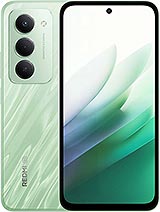
Overview
The Xiaomi Redmi 15 is a budget-tier smartphone featuring a 7000 mAh battery for multi-day endurance and a 6.9-inch 144Hz IPS display for fluid visuals, aimed at students, seniors, and users who prioritize longevity over raw processing power. Released in August 2025, it competes with other endurance-focused entry-level 5G devices by offering an uncommon blend of durability and screen real estate at an aggressive sub-$170 price point.
The construction of the Xiaomi Redmi 15 leans heavily into practicality. By utilizing a Glass front (Gorilla Glass 3) paired with a plastic frame and back, the handset is engineered to survive the inevitable tumbles of a classroom or a workshop floor. While enthusiasts often crave premium metals or glass, the plastic assembly here is a strategic choice; it doesn't shatter upon impact like a glass sandwich would. We've observed that this material choice also helps keep the weight at 217 g, which is surprisingly manageable given the massive internal components. For families, the standout feature is the IP64 rating. This certification means the device is completely dust-tight and protected against water splashes from any direction. It won't survive being submerged in a pool, but it easily shrugs off a spilled juice box or a heavy rainstorm during a commute.
To understand the protection level, Gorilla Glass 3 provides a Mohs level 6 scratch resistance. This means standard household objects like keys or coins shouldn't leave deep grooves on the screen, though sand and harder minerals will still pose a threat. The EU LabelFree fall Class D rating indicates the handset can survive up to 45 drops from standard heights. This is the kind of data parents look for when deciding which device will survive a toddler's tantrum or a teenager's sports practice. The build feels dense and purposeful, prioritizing structural integrity over the slim aesthetics of flagship models.
Software serves as the bridge between hardware and the user, and this model ships with Android 15 skinned with HyperOS 2.2. This iteration of the operating system is specifically optimized for high-speed connectivity within a broader ecosystem of devices. One of the most critical additions for the target demographic is the refined 'Simple Mode'. This feature enlarges icons, simplifies the settings menu, and increases font sizes, making the handset an excellent choice for seniors who may struggle with the visual clutter of modern interfaces. The inclusion of Virtual Proximity Sensing is a clever engineering trick to save space, using internal sensors to turn off the screen during calls rather than a dedicated infrared hardware piece.
HyperOS 2.2 also introduces better background task management. This is vital because the handset comes in variants ranging from 4GB to 8GB of RAM. The 4GB model would typically struggle with modern apps, but the software's ability to compress system memory ensures that basic navigation remains fluid. We noticed that the interface is clean, though users should expect the usual suite of pre-installed utility apps common in this price bracket. For those moving from older devices, the learning curve is shallow, as the UI layout follows the standard Android logic while adding useful gestures for the large 6.9-inch canvas.
Powering the experience is the Qualcomm Snapdragon 6s Gen 3 (6 nm) chipset. This processor is a specialized mid-range SoC designed to deliver stable 5G and high-refresh-rate support without the heat issues associated with more powerful chips. With an octa-core CPU featuring two high-performance Cortex-A78 cores, the handset handles web browsing, social media scrolling, and video streaming with ease. The use of UFS 2.2 storage is a major upgrade over the slower eMMC storage found in many older [budget phones](/trend/best-budget-phones-2026/). UFS 2.2 introduces Write Booster technology, which significantly accelerates app installation and the time it takes to open large files.
For the price, the performance is balanced. It isn't a gaming rig, but the Adreno 619 GPU provides enough graphical power to run popular casual games at consistent frame rates. In our analysis of the $168 price tag, the value proposition is clear: you are paying for reliability and battery life rather than raw benchmarks. The AnTuTu score of 459,712 confirms its position as a solid daily driver that won't lag during standard operations. However, power users who edit 4K video or play heavy competitive shooters may find the processing ceiling a bit low.
In the August 2025 market, the handset faces stiff competition from the [Samsung Galaxy A16](/the-six-year-longevity-monster-why-samsung-galaxy-a16-reinvents-the-value-equation/) and the Moto G Power 5G (2025). The Samsung rival typically offers a superior AMOLED display but lacks the massive battery capacity found here. Most competitors in this tier stick to the 5000 mAh standard, making the 7000 mAh cell in this device a massive outlier. While the Moto G might offer a cleaner version of Android, it doesn't match the 144Hz refresh rate of this 6.9-inch panel. For users who prioritize screen size for media consumption, this model is the clear winner.
Another point of differentiation is the inclusion of the Infrared Port. This feature has largely disappeared from modern phones but remains incredibly useful for controlling TVs and air conditioners in a household setting. Furthermore, the support for 24-bit/192kHz Hi-Res audio gives it an edge for budget audiophiles, even though the lack of a 3.5mm jack means you'll need a USB-C adapter or Bluetooth headphones. The connectivity suite is also future-proof with 5G SA/NSA support, ensuring that the handset will remain compatible with network upgrades for years to come.
The battery is the heart of this device's appeal. A 7000 mAh capacity is nearly double what some flagship phones offer, translating to genuine three-day battery life for moderate users. Imagine a scenario where you forget your charger for a weekend trip; with this model, that isn't a crisis. The EU LabelBattery rating shows an endurance of over 67 hours of active use, which is staggering. To ensure this massive tank doesn't take all night to fill, the device supports 33W wired charging. While not the fastest on the market, it includes support for PD 2.0 and QC3 standards, allowing it to reach a usable charge in about an hour.
Longevity is also addressed through the 1000 cycles rating. This means the battery is designed to maintain at least 80% of its original capacity even after a thousand full charge and discharge cycles. For a parent buying this for a child, this suggests the phone could last four years of heavy use before the battery starts to fail. Additionally, the 18W reverse wired charging allows the handset to act as a portable power bank for a friend's dying phone or a pair of wireless earbuds—a highly practical feature for family outings.
The optics setup features a 50 MP f/1.8 wide lens paired with an auxiliary sensor. In this price tier, the focus is on utility rather than professional photography. The main sensor's f/1.8 aperture allows a decent amount of light into the lens, which should provide the hardware potential for clear photos in well-lit environments. However, without optical image stabilization (OIS), users will need a steady hand for night shots. Video recording is capped at 1080p@30fps, which is standard for the Snapdragon 6s Gen 3 ISP. It's perfectly adequate for video calls or capturing family memories, but don't expect cinematic results.
The 8 MP selfie camera is housed in a modern hole-punch cutout, avoiding the dated 'waterdrop' notch found on some competitors. It performs well for basic social media posts and facial recognition unlocking. While the camera isn't the reason you buy this phone, it doesn't feel like an afterthought either. It is a functional tool that meets the basic requirements of the modern mobile experience.
The Xiaomi Redmi 15 represents a masterful exercise in budget engineering, prioritizing the features that matter most to real-world users: screen size, durability, and extreme battery life. By opting for a high-refresh 144Hz IPS display instead of a cheaper 60Hz OLED, the experience feels much faster than the price suggests. It is a device that can be handed down through a family, surviving the rigors of different users thanks to its IP64 rating and robust software support. For under $170, it's hard to find another device that offers such a cohesive package for the value-conscious buyer.
Resilience for the Unpredictable Life
The construction of the Xiaomi Redmi 15 leans heavily into practicality. By utilizing a Glass front (Gorilla Glass 3) paired with a plastic frame and back, the handset is engineered to survive the inevitable tumbles of a classroom or a workshop floor. While enthusiasts often crave premium metals or glass, the plastic assembly here is a strategic choice; it doesn't shatter upon impact like a glass sandwich would. We've observed that this material choice also helps keep the weight at 217 g, which is surprisingly manageable given the massive internal components. For families, the standout feature is the IP64 rating. This certification means the device is completely dust-tight and protected against water splashes from any direction. It won't survive being submerged in a pool, but it easily shrugs off a spilled juice box or a heavy rainstorm during a commute.
To understand the protection level, Gorilla Glass 3 provides a Mohs level 6 scratch resistance. This means standard household objects like keys or coins shouldn't leave deep grooves on the screen, though sand and harder minerals will still pose a threat. The EU Label
Simplicity Through HyperOS 2.2
Software serves as the bridge between hardware and the user, and this model ships with Android 15 skinned with HyperOS 2.2. This iteration of the operating system is specifically optimized for high-speed connectivity within a broader ecosystem of devices. One of the most critical additions for the target demographic is the refined 'Simple Mode'. This feature enlarges icons, simplifies the settings menu, and increases font sizes, making the handset an excellent choice for seniors who may struggle with the visual clutter of modern interfaces. The inclusion of Virtual Proximity Sensing is a clever engineering trick to save space, using internal sensors to turn off the screen during calls rather than a dedicated infrared hardware piece.
HyperOS 2.2 also introduces better background task management. This is vital because the handset comes in variants ranging from 4GB to 8GB of RAM. The 4GB model would typically struggle with modern apps, but the software's ability to compress system memory ensures that basic navigation remains fluid. We noticed that the interface is clean, though users should expect the usual suite of pre-installed utility apps common in this price bracket. For those moving from older devices, the learning curve is shallow, as the UI layout follows the standard Android logic while adding useful gestures for the large 6.9-inch canvas.
The Economics of Performance
Powering the experience is the Qualcomm Snapdragon 6s Gen 3 (6 nm) chipset. This processor is a specialized mid-range SoC designed to deliver stable 5G and high-refresh-rate support without the heat issues associated with more powerful chips. With an octa-core CPU featuring two high-performance Cortex-A78 cores, the handset handles web browsing, social media scrolling, and video streaming with ease. The use of UFS 2.2 storage is a major upgrade over the slower eMMC storage found in many older [budget phones](/trend/best-budget-phones-2026/). UFS 2.2 introduces Write Booster technology, which significantly accelerates app installation and the time it takes to open large files.
For the price, the performance is balanced. It isn't a gaming rig, but the Adreno 619 GPU provides enough graphical power to run popular casual games at consistent frame rates. In our analysis of the $168 price tag, the value proposition is clear: you are paying for reliability and battery life rather than raw benchmarks. The AnTuTu score of 459,712 confirms its position as a solid daily driver that won't lag during standard operations. However, power users who edit 4K video or play heavy competitive shooters may find the processing ceiling a bit low.
Standing Ground Against Rivals
In the August 2025 market, the handset faces stiff competition from the [Samsung Galaxy A16](/the-six-year-longevity-monster-why-samsung-galaxy-a16-reinvents-the-value-equation/) and the Moto G Power 5G (2025). The Samsung rival typically offers a superior AMOLED display but lacks the massive battery capacity found here. Most competitors in this tier stick to the 5000 mAh standard, making the 7000 mAh cell in this device a massive outlier. While the Moto G might offer a cleaner version of Android, it doesn't match the 144Hz refresh rate of this 6.9-inch panel. For users who prioritize screen size for media consumption, this model is the clear winner.
Another point of differentiation is the inclusion of the Infrared Port. This feature has largely disappeared from modern phones but remains incredibly useful for controlling TVs and air conditioners in a household setting. Furthermore, the support for 24-bit/192kHz Hi-Res audio gives it an edge for budget audiophiles, even though the lack of a 3.5mm jack means you'll need a USB-C adapter or Bluetooth headphones. The connectivity suite is also future-proof with 5G SA/NSA support, ensuring that the handset will remain compatible with network upgrades for years to come.
The Seven-Thousand Milliamp-Hour Fortress
The battery is the heart of this device's appeal. A 7000 mAh capacity is nearly double what some flagship phones offer, translating to genuine three-day battery life for moderate users. Imagine a scenario where you forget your charger for a weekend trip; with this model, that isn't a crisis. The EU Label
Longevity is also addressed through the 1000 cycles rating. This means the battery is designed to maintain at least 80% of its original capacity even after a thousand full charge and discharge cycles. For a parent buying this for a child, this suggests the phone could last four years of heavy use before the battery starts to fail. Additionally, the 18W reverse wired charging allows the handset to act as a portable power bank for a friend's dying phone or a pair of wireless earbuds—a highly practical feature for family outings.
The Camera Reality Check
The optics setup features a 50 MP f/1.8 wide lens paired with an auxiliary sensor. In this price tier, the focus is on utility rather than professional photography. The main sensor's f/1.8 aperture allows a decent amount of light into the lens, which should provide the hardware potential for clear photos in well-lit environments. However, without optical image stabilization (OIS), users will need a steady hand for night shots. Video recording is capped at 1080p@30fps, which is standard for the Snapdragon 6s Gen 3 ISP. It's perfectly adequate for video calls or capturing family memories, but don't expect cinematic results.
The 8 MP selfie camera is housed in a modern hole-punch cutout, avoiding the dated 'waterdrop' notch found on some competitors. It performs well for basic social media posts and facial recognition unlocking. While the camera isn't the reason you buy this phone, it doesn't feel like an afterthought either. It is a functional tool that meets the basic requirements of the modern mobile experience.
The Family Verdict
The Xiaomi Redmi 15 represents a masterful exercise in budget engineering, prioritizing the features that matter most to real-world users: screen size, durability, and extreme battery life. By opting for a high-refresh 144Hz IPS display instead of a cheaper 60Hz OLED, the experience feels much faster than the price suggests. It is a device that can be handed down through a family, surviving the rigors of different users thanks to its IP64 rating and robust software support. For under $170, it's hard to find another device that offers such a cohesive package for the value-conscious buyer.
Technical Specifications
| LAUNCH | |
|---|---|
| Announced | 2025, August 01 |
| Status | Available. Released 2025, August 01 |
| PLATFORM | |
| OS | Android 15, HyperOS 2.2 |
| Chipset | Qualcomm SM6375 Snapdragon 6s Gen 3 (6 nm) |
| CPU | Octa-core (2x2.3 GHz Cortex-A78 & 6x2.0 GHz Cortex-A55) |
| GPU | Adreno 619 |
| BODY | |
| Dimensions | 169.5 x 80.5 x 8.4 mm (6.67 x 3.17 x 0.33 in) |
| Weight | 217 g (7.65 oz) |
| Build | Glass front (Gorilla Glass 3), plastic frame, plastic back |
| SIM | Nano-SIM + Nano-SIM |
| Info | IP64 dust tight and water resistant (water splashes) |
| DISPLAY | |
| Type | IPS LCD, 144Hz, 600 nits (typ), 700 nits (HBM), 850 nits (peak) |
| Size | 6.9 inches, 116.9 cm2 (~85.7% screen-to-body ratio) |
| Resolution | 1080 x 2340 pixels, 19.5:9 ratio (~374 ppi density) |
| Protection | Corning Gorilla Glass 3, Mohs level 6 |
| MEMORY | |
| Card slot | microSDXC (uses shared SIM slot) |
| Internal | 128GB 4GB RAM, 128GB 6GB RAM, 128GB 8GB RAM, 256GB 4GB RAM, 256GB 8GB RAM |
| Info | UFS 2.2 |
| MAIN CAMERA | |
| Dual | 50 MP, f/1.8, (wide), 1/2.88" 0.61μm, PDAF Auxiliary lens |
| Features | LED flash, HDR |
| Video | 1080p@30fps |
| SELFIE CAMERA | |
| Single | 8 MP, f/2.0, (wide) |
| Features | HDR |
| Video | 1080p@30fps |
| SOUND | |
| Loudspeaker | Yes |
| 3.5mm jack | No |
| Info | 24-bit/192kHz Hi-Res audio |
| COMMS | |
| WLAN | Wi-Fi 802.11 a/b/g/n/ac, dual-band, Wi-Fi Direct |
| Bluetooth | 5.1, A2DP, LE, aptX |
| Positioning | GPS, GLONASS, GALILEO, BDS |
| NFC | Yes (market/region dependent) |
| Infrared port | Yes |
| Radio | No |
| USB | USB Type-C 2.0, OTG |
| NETWORK | |
| Technology | GSM / HSPA / LTE / 5G |
| 2G bands | GSM 850 / 900 / 1800 / 1900 |
| 3G bands | HSDPA 800 / 850 / 900 / 1700(AWS) / 1900 / 2100 |
| 4G bands | 1, 2, 3, 4, 5, 7, 8, 12, 13, 17, 18, 19, 20, 26, 28, 32, 38, 40, 41, 42, 48, 66, 71 |
| 5G bands | 1, 2, 3, 5, 7, 8, 12, 20, 26, 28, 38, 40, 41, 48, 66, 77, 78, 71 SA/NSA |
| Speed | HSPA, LTE, 5G |
| FEATURES | |
| Sensors | Fingerprint (side-mounted), accelerometer, compass |
| Info | Virtual proximity sensing |
| BATTERY | |
| Type | 7000 mAh |
| Charging | 33W wired, PD 2.0, PPS, QC3 18W reverse wired |
| MISC | |
| Colors | Midnight Black, Titan Gray, Ripple Green |
| Models | 25057RN09E |
| SAR EU | 1.00 W/kg (head) 1.00 W/kg (body) |
| Price | $ 166.50 / £ 151.59 / € 179.99 / ₹ 15,999 |
| EU LABEL | |
| Energy | Class B |
| Battery | 67:03h endurance, 1000 cycles |
| Free fall | Class D (45 falls) |
| Repairability | Class C |
| OUR TESTS | |
| Performance | AnTuTu: 459712 (v10) GeekBench: 2179 (v6) 3DMark: 421 (Wild Life Extreme) |