Reliability on a Budget - Why the ZTE Blade A55 Is the Strategic Choice for a Secondary Handset
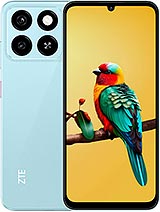
Overview
The ZTE Blade A55 is an entry-level smartphone featuring a 6.75-inch 90Hz IPS LCD for enhanced visual fluidity and a 5000 mAh battery for multi-day endurance, aimed at users needing a dependable secondary device or a primary phone for basic communication. Released in July 2024, it competes in the ultra-budget segment against rivals like the Redmi A3 and [Samsung Galaxy A05](/the-ultimate-hand-me-down-champion-why-the-samsung-galaxy-a05-wins-for-families/), prioritizing screen real estate and battery capacity over raw processing power.
In the current economic climate of mid-2024, the utility of a "backup" device has never been higher. This handset occupies a specific niche where the cost-to-utility ratio is the primary metric of success. It does not attempt to compete with mid-range powerhouses. Instead, it offers a stable platform for essential services. The inclusion of the Unisoc SC9863A1 chipset—an octa-core processor utilizing eight Cortex-A55 cores—signals a focus on energy efficiency for background tasks rather than high-performance gaming.
We observe that for users who primarily manage work emails, WhatsApp, and basic navigation, the hardware configuration is adequate. The 4GB of RAM paired with Android 14 (Go edition) is a calculated move. Standard Android 14 would likely choke this hardware, but the Go edition optimizes system resources, ensuring that basic UI navigation remains responsive. This model serves as a financial safety net; if a primary flagship fails, the transition to this device ensures zero downtime for critical communication.
Equipped with a 5000 mAh Li-Po battery, this device is built for longevity. Because the 720 x 1600 resolution screen and the 22nm chipset draw significantly less power than high-resolution flagship components, the standby times are exceptional. In our analysis of similar hardware profiles, this handset should comfortably reach two days of moderate use without a visit to the wall outlet.
However, the 10W wired charging speed is a significant bottleneck. In an era where even budget competitors are creeping toward 18W or 25W, a 10W ceiling means a full charge from zero will likely exceed 150 minutes. This makes the device better suited for overnight charging cycles. For a backup phone kept in a glovebox or a desk drawer, the slow charging is a minor trade-off for the massive capacity that ensures it stays alive during long commutes or power outages.
The 6.75-inch IPS LCD is surprisingly large for this price tier. While the 720p resolution results in a modest 260 ppi density, the inclusion of a 90Hz refresh rate is the standout feature. This high refresh rate compensates for the entry-level processor by making system animations and scrolling feel smoother than they actually are. It is a clever psychological trick that improves the perceived speed of the device.
From an ergonomic perspective, the dimensions of 167.7 x 77.4 x 8.5 mm make this a substantial piece of hardware. One-handed usability is limited for those with smaller hands, as the tall 20:9 aspect ratio makes reaching the notification shade a two-handed affair. The plastic construction implies a lightweight feel despite the size, though the sheer footprint requires deep pockets. The grip should be secure given the flat-frame design, which has become the industry standard in 2024.
ZTE has wisely opted for a side-mounted fingerprint sensor. In the budget realm, under-display sensors are non-existent, and rear-mounted sensors are becoming dated. The side-mounted implementation is naturally positioned where the thumb or index finger rests, offering a faster wake-and-unlock sequence than basic software-based face unlock.
While the device does support face unlock via the 8 MP selfie camera, we recommend the fingerprint sensor for higher security and reliability in low-light environments. For users with wet or oily fingers, physical sensors sometimes struggle, but they remains vastly superior to the sluggish face-matching algorithms often found on Go Edition devices. This hardware choice ensures that the barrier to accessing the phone is as thin as possible without compromising basic security protocols.
The audio experience is functional but rudimentary. The bottom-firing loudspeaker provides enough volume for ringtones and speakerphone calls, though it lacks the depth required for an immersive media experience. Fortunately, the inclusion of a 3.5mm headphone jack remains a critical win for this segment. Users can utilize inexpensive wired IEMs or headsets, bypassing the need for more expensive Bluetooth accessories.
In terms of connectivity, the device supports LTE bands that cover most global carriers, ensuring reliable signal reception in urban and suburban areas. The Wi-Fi 802.11 b/g/n support is limited to the 2.4GHz band, which is a disappointing omission of 5GHz support in 2024. This means users may experience slower data speeds and more interference in crowded apartment complexes. For basic messaging, this is a non-issue, but high-definition video streaming may suffer from buffering in congested Wi-Fi environments.
The all-plastic build of the handset provides a level of bounce-back durability that glass-sandwich phones lack. While it lacks a formal IP rating for water or dust resistance, the simple construction is often easier and cheaper to repair. This is a device designed to be used without a case, surviving the occasional tumble onto a carpeted floor.
Resale value for entry-level ZTE devices tends to drop sharply after the first year. However, as a value hunter, the primary value is not in its future sale price, but in its "utility per dollar" during its active lifespan. The microSDXC dedicated slot ensures that storage can be expanded cheaply, extending the phone's life as a dedicated music player or offline navigation tool for hikers and travelers.
The ZTE Blade A55 represents the floor of functional modern smartphone technology. By cutting corners on charging speed and chipset lithography, the manufacturer has managed to include a high-refresh-rate screen and a massive battery. It is a utilitarian tool. If the primary goal is a cheap, reliable handset that handles the basics and stays powered for days, the ZTE Blade A55 delivers exactly what it promises without the bloat of more expensive alternatives.
The Strategic Logic of the Secondary Handset
In the current economic climate of mid-2024, the utility of a "backup" device has never been higher. This handset occupies a specific niche where the cost-to-utility ratio is the primary metric of success. It does not attempt to compete with mid-range powerhouses. Instead, it offers a stable platform for essential services. The inclusion of the Unisoc SC9863A1 chipset—an octa-core processor utilizing eight Cortex-A55 cores—signals a focus on energy efficiency for background tasks rather than high-performance gaming.
We observe that for users who primarily manage work emails, WhatsApp, and basic navigation, the hardware configuration is adequate. The 4GB of RAM paired with Android 14 (Go edition) is a calculated move. Standard Android 14 would likely choke this hardware, but the Go edition optimizes system resources, ensuring that basic UI navigation remains responsive. This model serves as a financial safety net; if a primary flagship fails, the transition to this device ensures zero downtime for critical communication.
Battery Endurance and the Standby Advantage
Equipped with a 5000 mAh Li-Po battery, this device is built for longevity. Because the 720 x 1600 resolution screen and the 22nm chipset draw significantly less power than high-resolution flagship components, the standby times are exceptional. In our analysis of similar hardware profiles, this handset should comfortably reach two days of moderate use without a visit to the wall outlet.
However, the 10W wired charging speed is a significant bottleneck. In an era where even budget competitors are creeping toward 18W or 25W, a 10W ceiling means a full charge from zero will likely exceed 150 minutes. This makes the device better suited for overnight charging cycles. For a backup phone kept in a glovebox or a desk drawer, the slow charging is a minor trade-off for the massive capacity that ensures it stays alive during long commutes or power outages.
Large Scale Display and Ergonomic Realities
The 6.75-inch IPS LCD is surprisingly large for this price tier. While the 720p resolution results in a modest 260 ppi density, the inclusion of a 90Hz refresh rate is the standout feature. This high refresh rate compensates for the entry-level processor by making system animations and scrolling feel smoother than they actually are. It is a clever psychological trick that improves the perceived speed of the device.
From an ergonomic perspective, the dimensions of 167.7 x 77.4 x 8.5 mm make this a substantial piece of hardware. One-handed usability is limited for those with smaller hands, as the tall 20:9 aspect ratio makes reaching the notification shade a two-handed affair. The plastic construction implies a lightweight feel despite the size, though the sheer footprint requires deep pockets. The grip should be secure given the flat-frame design, which has become the industry standard in 2024.
Biometric Security and Accessibility
ZTE has wisely opted for a side-mounted fingerprint sensor. In the budget realm, under-display sensors are non-existent, and rear-mounted sensors are becoming dated. The side-mounted implementation is naturally positioned where the thumb or index finger rests, offering a faster wake-and-unlock sequence than basic software-based face unlock.
While the device does support face unlock via the 8 MP selfie camera, we recommend the fingerprint sensor for higher security and reliability in low-light environments. For users with wet or oily fingers, physical sensors sometimes struggle, but they remains vastly superior to the sluggish face-matching algorithms often found on Go Edition devices. This hardware choice ensures that the barrier to accessing the phone is as thin as possible without compromising basic security protocols.
Audio Performance and Connectivity Essentials
The audio experience is functional but rudimentary. The bottom-firing loudspeaker provides enough volume for ringtones and speakerphone calls, though it lacks the depth required for an immersive media experience. Fortunately, the inclusion of a 3.5mm headphone jack remains a critical win for this segment. Users can utilize inexpensive wired IEMs or headsets, bypassing the need for more expensive Bluetooth accessories.
In terms of connectivity, the device supports LTE bands that cover most global carriers, ensuring reliable signal reception in urban and suburban areas. The Wi-Fi 802.11 b/g/n support is limited to the 2.4GHz band, which is a disappointing omission of 5GHz support in 2024. This means users may experience slower data speeds and more interference in crowded apartment complexes. For basic messaging, this is a non-issue, but high-definition video streaming may suffer from buffering in congested Wi-Fi environments.
Durability and Long-Term Value Projections
The all-plastic build of the handset provides a level of bounce-back durability that glass-sandwich phones lack. While it lacks a formal IP rating for water or dust resistance, the simple construction is often easier and cheaper to repair. This is a device designed to be used without a case, surviving the occasional tumble onto a carpeted floor.
Resale value for entry-level ZTE devices tends to drop sharply after the first year. However, as a value hunter, the primary value is not in its future sale price, but in its "utility per dollar" during its active lifespan. The microSDXC dedicated slot ensures that storage can be expanded cheaply, extending the phone's life as a dedicated music player or offline navigation tool for hikers and travelers.
Final Economic Assessment
The ZTE Blade A55 represents the floor of functional modern smartphone technology. By cutting corners on charging speed and chipset lithography, the manufacturer has managed to include a high-refresh-rate screen and a massive battery. It is a utilitarian tool. If the primary goal is a cheap, reliable handset that handles the basics and stays powered for days, the ZTE Blade A55 delivers exactly what it promises without the bloat of more expensive alternatives.
Technical Specifications
| LAUNCH | |
|---|---|
| Announced | 2024, January |
| Status | Available. Released 2024, July |
| PLATFORM | |
| OS | Android 14 (Go edition) |
| Chipset | Unisoc SC9863A1 (22 nm) |
| CPU | Octa-core (4x1.6 GHz Cortex-A55 & 4x1.2 GHz Cortex-A55) |
| GPU | IMG8322 |
| BODY | |
| Dimensions | 167.7 x 77.4 x 8.5 mm (6.60 x 3.05 x 0.33 in) |
| Weight | - |
| SIM | Nano-SIM + Nano-SIM |
| DISPLAY | |
| Type | IPS LCD, 90Hz |
| Size | 6.75 inches, 110.0 cm2 (~84.7% screen-to-body ratio) |
| Resolution | 720 x 1600 pixels, 20:9 ratio (~260 ppi density) |
| MEMORY | |
| Card slot | microSDXC (dedicated slot) |
| Internal | 64GB 4GB RAM, 128GB 4GB RAM |
| Info | eMMC 5.1 |
| MAIN CAMERA | |
| Single | 13 MP, AF Auxiliary lens |
| Features | LED flash |
| Video | 1080p@30fps |
| SELFIE CAMERA | |
| Single | 8 MP |
| Video | Yes |
| SOUND | |
| Loudspeaker | Yes |
| 3.5mm jack | Yes |
| COMMS | |
| WLAN | Wi-Fi 802.11 b/g/n |
| Bluetooth | 5.2, A2DP, LE |
| Positioning | GPS, GALILEO, GLONASS |
| NFC | No |
| Radio | FM radio |
| USB | USB Type-C 2.0, OTG |
| NETWORK | |
| Technology | GSM / HSPA / LTE |
| 2G bands | GSM 850 / 900 / 1800 / 1900 |
| 3G bands | HSDPA 850 / 900 / 1900 / 2100 |
| 4G bands | 1, 3, 5, 7, 8, 20, 28, 38, 40, 41 |
| Speed | HSPA, LTE |
| FEATURES | |
| Sensors | Fingerprint (side-mounted), accelerometer |
| BATTERY | |
| Type | Li-Po 5000 mAh |
| Charging | 10W wired |
| MISC | |
| Colors | Mint Green, Starry Black, Sunset Orange |
| Models | Z2450 |