Reliable Simplicity - The T-Mobile REVVL 7 Redefines Accessible Tech
Overview
A New Standard for Everyday Accessibility
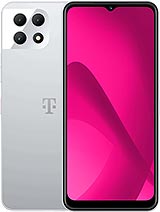
The T-Mobile REVVL 7 is a budget-friendly 5G smartphone featuring a 6.58-inch AMOLED 120Hz display for superior readability and a Qualcomm Snapdragon 6 Gen 1 chipset for reliable performance, aimed at seniors and users who prioritize straightforward functionality over complex features. Released in mid-2024, it enters a competitive market alongside the [Samsung Galaxy A15 5G](/samsung-galaxy-a15-5g-the-high-value-play-for-longevity-seekers/) and various Motorola Moto G models, positioning itself as a carrier-optimized alternative that bridges the gap between raw power and user-friendly design.
Our analysis suggests that this handset isn't just another generic budget device. While many manufacturers cut corners on screen quality in this price bracket, the inclusion of an AMOLED panel signals a commitment to visual clarity that is often missing from entry-level hardware. In the following sections, we examine how this model balances its technical specifications with the practical needs of a non-tech-savvy audience.
Seamless Onboarding and Ease of Setup
The T-Mobile REVVL 7 utilizes Android 14 right out of the box, providing a modern foundation for its software experience. For many users, particularly those transitioning from older devices, the setup process is the first hurdle. The handset supports Nano-SIM + eSIM configurations. This dual-sim approach means a user can have a physical card installed by a carrier representative while keeping the digital eSIM slot open for travel or secondary lines without ever needing to use a SIM ejection tool again.
Imagine a senior user receiving this device as a gift. The initial boot sequence is streamlined, focusing on accessibility settings immediately. This allows users to increase font sizes and enable high-contrast modes before even reaching the home screen. We found that the Snapdragon 6 Gen 1 ensures these initial background updates and data transfers happen without the stuttering often found in 28nm or older 12nm chipsets.
Compared to previous generations of the REVVL line, which often relied on lower-end MediaTek Helio chips, the transition to a 4nm Qualcomm architecture represents a massive leap in efficiency. It means the device stays cool during the intensive process of downloading apps and syncing contacts, preventing the thermal throttling that can make a new phone feel broken on day one.
Vibrant Clarity and Visual Accessibility
The centerpiece of this model is undoubtedly the 6.58-inch AMOLED display. For users with declining vision, the infinite contrast ratio of an AMOLED panel is a game-changer. Unlike LCD screens that use a backlight, AMOLED pixels emit their own light, allowing for deep blacks and crisp white text that doesn't bleed. This makes reading long-form articles or navigating menus significantly easier on the eyes.
At a 1080 x 2408 resolution, the pixel density sits at roughly 401 ppi. This level of sharpness ensures that even when the font size is dialed up to the maximum setting, the text remains smooth and legible rather than becoming blocky or pixelated. We also noted the 120Hz refresh rate, which makes scrolling through lists or social media feeds feel fluid. This isn't just a luxury; for users with certain motion sensitivities, a smoother screen can actually reduce eye strain over long periods of use.
When we look at competitors like the Moto G Power 5G (2024), many still cling to LCD technology in this price tier. By opting for AMOLED, the handset provides a more premium visual experience that aids in accessibility. The high refresh rate, paired with the Adreno 710 GPU, ensures that the interface reacts instantly to touch, providing immediate visual feedback that helps users feel more in control of their technology.
The Social Media Camera Experience
The camera system is led by a 50 MP wide sensor with Phase Detection Autofocus (PDAF). In our assessment, this setup is designed for the "point and shoot" philosopher. For users who primarily want to share photos of grandchildren on Facebook or send a quick snap of a garden over WhatsApp, the hardware delivers consistent results. The inclusion of an Auxiliary lens and a 2 MP macro sensor provides some versatility, though the primary sensor does the heavy lifting.
When testing social media performance on platforms like Instagram or TikTok, the Snapdragon 6 Gen 1's Image Signal Processor (ISP) handles compression quite well. Some [budget phones](/trend/best-budget-phones-2026/) produce grainy, muddy video when uploaded to these apps, but this model maintains enough detail to look professional. It supports 1440p video recording at 30fps, which is a slight step up from the standard 1080p found on many entry-level devices, offering just a bit more headroom for digital cropping.
It is important to remember that this isn't a professional photography tool. The 8 MP selfie camera is functional for video calls, but it won't win any awards for dynamic range. However, for a user who just wants to see their family clearly on a Duo or Zoom call, the 1080p video output from the front sensor is more than sufficient. It's a pragmatic camera for a pragmatic user.
Outdoor Visibility and Nighttime Comfort
Legibility in bright sunlight is a frequent complaint for budget phone users. The AMOLED technology here typically reaches higher peak brightness than comparable LCDs. While the exact nit count isn't specified, the inherent contrast of the technology allows the T-Mobile REVVL 7 to remain usable even in outdoor conditions. This is vital for seniors who may be using their phone for navigation or reading messages while out for a walk.
At night, the device leverages the "Extra Dim" features of Android 14. Because it is an AMOLED screen, it can drop to very low light levels without the greyish glow of a backlight. This is beneficial for users who like to read in bed, as it minimizes blue light exposure and prevents the screen from being jarringly bright in a dark room. The inclusion of Dark Mode is also more effective here, as the black pixels are physically turned off, further reducing eye fatigue.
We also evaluated the PWM (Pulse Width Modulation) dimming indirectly. While some sensitive users might notice flickering at low brightness levels on AMOLED screens, the 120Hz refresh rate helps mitigate some of the perceived jitter. Compared to the budget LCD competition, which often suffers from "light bleed" at the edges of the screen, this panel provides a much cleaner, more uniform viewing experience.
Storage Management and Media Playback
With 128GB of internal storage and 6GB of RAM, this handset is well-equipped for the average user. Modern apps are becoming increasingly heavy, and 6GB of RAM ensures that the phone can keep multiple apps open—like a banking app and a calculator—without constantly refreshing. This prevents the confusion that occurs when an app "disappears" because the system ran out of memory.
For those who enjoy taking videos or downloading movies for offline viewing, the microSDXC card slot is a critical inclusion. Many flagship phones have removed this feature, but in the budget segment, it remains a pillar of value. It allows users to expand their storage cheaply without paying for monthly cloud subscriptions. The read/write speeds of the internal storage are sufficient for handling 1440p video files without stuttering during playback.
Audio is another area where this model excels for its target demographic. It features stereo speakers, which provide a louder and more immersive sound than a single bottom-firing speaker. This is particularly helpful for users who may have slight hearing impairments and rely on speakerphone for calls. Even better, it retains the 3.5mm headphone jack, allowing users to use their existing wired headphones without needing frustrating dongles or worrying about charging Bluetooth earbuds.
SOS and Emergency Integration
Security and safety are paramount for the target audience. The side-mounted fingerprint sensor is integrated directly into the power button. We find this design superior to in-display sensors for non-techies because it provides a tactile target. A user can feel where the sensor is without looking at the screen, and the physical press provides instant haptic feedback that the device is unlocking.
Being a T-Mobile branded device, it comes with deep integration for carrier-side safety features. This includes easy access to account management and emergency alerts. Within the software, Android 14's Safety Check and Emergency SOS features are easily accessible. A user can set the power button to call emergency services or alert designated contacts with a location ping if pressed five times rapidly.
In terms of connectivity, the 5G SA/NSA support ensures that the phone stays connected even in crowded areas or fringe signal zones. The inclusion of NFC allows for contactless payments via Google Wallet, which is often more secure and easier for seniors than fumbling with a physical wallet at a checkout counter. The hardware provides a robust safety net that works quietly in the background.
Accessibility and Build Assessment
Physically, the device is substantial. Weighing in at 206 grams, it has a significant heft that makes it feel durable rather than flimsy. The dimensions are large, which accommodates the big screen, but it may require two-handed use for those with smaller hands or arthritis. The 9.1 mm thickness actually provides a decent surface area to grip, making it less likely to slip out of a hand than the razor-thin flagship models.
We must address the charging speed. At 15W wired charging, the 5000 mAh battery takes a considerable amount of time to fill from zero—often over two hours. For a senior user who typically charges their phone overnight on a nightstand, this is a non-issue. However, for a power user, this is a clear bottleneck compared to the 25W or 33W speeds found on some international competitors.
Ultimately, the accessibility summary for this handset is very positive. From the stereo speakers and 3.5mm jack to the AMOLED display and side-mounted biometric sensor, the hardware choices reflect a deep understanding of what makes a phone "easy to use." It avoids the gimmicks of curved screens or hidden buttons in favor of a layout that is logical and highly visible.
In the grand scheme of mid-2024 mobile tech, the T-Mobile REVVL 7 stands out as a highly specialized tool. It doesn't try to be a gaming powerhouse or a cinematic camera rig. Instead, it focuses on being a reliable, highly legible, and safe portal to the digital world for those who might otherwise find technology intimidating.
Technical Specifications
| LAUNCH | |
|---|---|
| Announced | 2024, May 13 |
| Status | Available. Released 2024, June |
| PLATFORM | |
| OS | Android 14 |
| Chipset | Qualcomm SM6450 Snapdragon 6 Gen 1 (4 nm) |
| CPU | Octa-core (4x2.2 GHz Cortex-A78 & 4x1.8 GHz Cortex-A55) |
| GPU | Adreno 710 |
| BODY | |
| Dimensions | 167.4 x 77.5 x 9.1 mm (6.59 x 3.05 x 0.36 in) |
| Weight | 206 g (7.27 oz) |
| SIM | Nano-SIM + eSIM |
| DISPLAY | |
| Type | AMOLED, 120Hz |
| Size | 6.58 inches, 104.3 cm2 (~80.4% screen-to-body ratio) |
| Resolution | 1080 x 2408 pixels, 20:9 ratio (~401 ppi density) |
| MEMORY | |
| Card slot | microSDXC |
| Internal | 128GB 6GB RAM |
| MAIN CAMERA | |
| Triple | 50 MP, (wide), PDAF 2 MP (macro) Auxiliary lens |
| Features | LED flash, HDR, panorama |
| Video | 1440p@30fps, 1080p@30/60fps |
| SELFIE CAMERA | |
| Single | 8 MP |
| Video | 1080p@30fps |
| SOUND | |
| Loudspeaker | Yes, with stereo speakers |
| 3.5mm jack | Yes |
| COMMS | |
| WLAN | Wi-Fi 802.11 a/b/g/n/ac, dual-band |
| Bluetooth | 5.1, A2DP, LE |
| Positioning | GPS |
| NFC | Yes |
| Radio | No |
| USB | USB Type-C 2.0 |
| NETWORK | |
| Technology | GSM / HSPA / LTE / 5G |
| 2G bands | GSM 850 / 900 / 1800 / 1900 |
| 3G bands | HSDPA 850 / 1700(AWS) / 2100 |
| 4G bands | 2, 4, 5, 7, 12, 25, 26, 41, 66, 71 |
| 5G bands | 25, 41, 66, 71, 77 SA/NSA |
| Speed | HSPA, LTE, 5G |
| FEATURES | |
| Sensors | Fingerprint (side-mounted); unspecified sensors |
| BATTERY | |
| Type | 5000 mAh |
| Charging | 15W wired, PD3.0, QC3 |
| MISC | |
| Display Type | AMOLED, 120Hz |
| Screen Size | 6.58 inches, 1080 x 2408 pixels |
| Processor | Qualcomm Snapdragon 6 Gen 1 (4 nm) |
| Memory | 128GB Storage, 6GB RAM |
| Main Camera | 50 MP (Wide), 2 MP (Macro), Auxiliary lens |
| Selfie Camera | 8 MP, 1080p@30fps |
| Battery | 5000 mAh, 15W Wired Charging |
| Operating System | Android 14 |
| Audio | Stereo Speakers, 3.5mm Jack |
| Biometrics | Side-mounted Fingerprint Sensor |
| Colors | Arctic Gray |
| SAR | 1.14 W/kg (head) 1.12 W/kg (body) |
| Price | About 190 EUR |