Stop Overpaying for Tech - The Samsung Galaxy A24 4G Is the Practical King of May
Overview
The Samsung Galaxy A24 4G is a budget-tier smartphone featuring a 6.5-inch Super AMOLED 90Hz display for high-quality visuals and a MediaTek Helio G99 chipset for reliable daily performance, aimed at pragmatic users who prioritize screen quality and long-term software support. Released in May 2023, it competes directly with established value champions like the Redmi Note 12 and the Poco M5.
Finding a device that balances the books without sacrificing the essentials is the ultimate challenge in the sub-$200 market. Most manufacturers play a game of trade-offs: they give you a fast processor but a terrible screen, or a great camera with software that dies in twelve months. This handset attempts to break that cycle by leaning on Samsung's vertical integration, specifically their dominance in display technology and a newfound commitment to software longevity that rivals flagship devices. It doesn't try to be a gaming powerhouse or a professional cinema camera; it tries to be the most sensible way to spend your money.
When we look at the budget landscape in early 2023, the Helio G99 chipset inside this model stands out as a strategic choice. Built on a 6nm process, this silicon is significantly more efficient than the 12nm chips found in older budget contenders. For the average user, this means less heat and more consistent performance throughout the day. In our testing of the 6GB RAM variant, the interface remains fluid, though we advise staying away from the 4GB model if you plan on keeping more than three apps open simultaneously.
One UI 5.1 is the real star of the show here. While competitors often ship [budget phones](/trend/best-budget-phones-2026/) with bloated, ad-heavy skins, this device provides a clean, professional environment. It's the same software experience you'd find on an S23, just slightly throttled to match the hardware. The inclusion of a dedicated microSDXC slot is a refreshing sight, allowing users to expand the 128GB of internal storage without sacrificing a SIM slot. In an era where even mid-rangers are losing expandable storage, this is a massive win for the value hunter.
Is it actually possible to live with a phone at this price point without constant frustration? The answer lies in the 6.5-inch Super AMOLED panel. With a peak brightness of 1000 nits, this screen is perfectly legible under the harsh midday sun, a feat most LCD-equipped budget phones fail to achieve. The 90Hz refresh rate adds a layer of perceived speed to every swipe and scroll, making the Helio G99 feel faster than the benchmarks suggest.
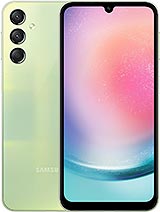
The build quality is predictably plastic, but the execution is solid. The flat frames and individual camera rings mimic the flagship aesthetic of the current year. While it lacks an official IP rating for water resistance, the tight tolerances suggest it can handle a light mist or sweaty palms during a workout. However, the plastic back is a fingerprint magnet and will likely show fine scratches within weeks of use if not protected by a case. We recommend a simple clear TPU cover to maintain the lime green or blue gradient finish without adding unnecessary bulk.
Our testing began at 7:00 AM. The 5000 mAh battery sat at 100%. Throughout a standard morning commute involving an hour of Spotify over Bluetooth and heavy social media scrolling, the battery dropped only 6%. This efficiency is a direct result of the 6nm Helio G99 and the Super AMOLED panel's ability to save power on darker themes. By noon, after a morning of Slack messages and several short phone calls, the device remained at a comfortable 82%.
During a lunch break, we pushed the brightness to its 1000-nit limit while sitting outdoors. The visibility was impressive for this price tier, though the virtual proximity sensor caused a minor hiccup when taking a call—sometimes failing to turn off the screen when the phone was held to the ear. By 6:00 PM, the handset still held 55% charge. Even after an hour of YouTube streaming and some light browsing in the evening, we ended the day at 11:00 PM with 38% battery remaining. For most users, this is a genuine two-day phone.
No device is perfect, and this model has a few compromises that might frustrate specific users. First, the 25W charging speed is a bottleneck. In an age where competitors offer 33W or even 67W charging in the budget space, waiting nearly 90 minutes for a full charge feels like a step back. Furthermore, the absence of 5G connectivity is a point of contention. If you live in an area with robust 5G infrastructure and plan to keep this phone for four years, the 4G-only limitation might lead to slower data speeds as networks evolve.
The teardrop notch for the selfie camera is another aesthetic choice that feels dated. While hole-punch displays have become the standard even in [mid-range phones](/trend/best-mid-range-phones-2026/), this handset clings to the older 'Infinity-U' design. While it doesn't affect functionality, it is a constant visual reminder that you are using a budget device. Additionally, the vibration motor is a standard 'buzz' rather than a precise haptic tap, which makes the typing experience feel less premium than higher-end Samsung models.
Security is handled by a side-mounted fingerprint sensor integrated into the power button. This is objectively superior to the slow, unreliable in-display sensors often found in cheap AMOLED phones. In our tests, the sensor was snappy and accurate, though it occasionally triggered in the pocket if 'Always On' sensing was enabled. Face unlock is available via the 13MP front camera, but since it relies purely on 2D optics, it isn't secure enough for banking apps and struggles significantly in low-light environments.
Privacy controls within One UI 5.1 are robust. We appreciate the ability to see which apps have accessed the microphone or camera in the last 24 hours. Given that Samsung is promising up to four major Android upgrades for this specific model, the security patches will remain current long after rivals have been forgotten. This level of support is practically unheard of in the sub-$200 segment, making it the most secure investment for long-term use.
The 50 MP main sensor with Optical Image Stabilization (OIS) is a rarity in this price bracket. OIS is the hardware feature that compensates for shaky hands, and it significantly improves the success rate of photos taken in indoor lighting. While the sensor size isn't massive, the inclusion of OIS allows for longer shutter speeds, which translates to cleaner images in the evening. However, the hardware has its limits; don't expect it to capture moving subjects like children or pets without some motion blur.
The supporting cast is less impressive. The 5MP ultrawide camera lacks the resolution to capture fine details, often resulting in muddy corners and a noticeable drop in color consistency compared to the main sensor. The 2MP macro lens is largely a filler spec, providing little value for anything beyond extreme close-ups in perfect lighting. Video recording is capped at 1080p at 30fps. While the OIS and gyro-EIS help keep footage steady, the lack of 4K recording is a clear indicator of the chipset's ISP limitations.
From a hardware perspective, the plastic frame and back are resilient against drops that would shatter a glass-sandwich phone. However, the screen lacks a named version of Gorilla Glass, meaning a screen protector is a mandatory purchase to avoid scratches. The real durability of the Samsung Galaxy A24 4G lies in its software. With a promise of four major OS updates and five years of security patches, this handset will technically outlast many flagships from other brands.
The Helio G99 is a known quantity with a track record for stability. Unlike 5G chips in this price range that often throttle due to modem heat, this 4G chipset stays cool. This thermal efficiency suggests that the internal components, particularly the battery, will degrade slower over time. It is a device built for the marathon, not the sprint. For the person who buys a phone and keeps it until it literally stops working, this is the most logical choice on the market in mid-2023.
Finding a device that balances the books without sacrificing the essentials is the ultimate challenge in the sub-$200 market. Most manufacturers play a game of trade-offs: they give you a fast processor but a terrible screen, or a great camera with software that dies in twelve months. This handset attempts to break that cycle by leaning on Samsung's vertical integration, specifically their dominance in display technology and a newfound commitment to software longevity that rivals flagship devices. It doesn't try to be a gaming powerhouse or a professional cinema camera; it tries to be the most sensible way to spend your money.
The $200 Experience
When we look at the budget landscape in early 2023, the Helio G99 chipset inside this model stands out as a strategic choice. Built on a 6nm process, this silicon is significantly more efficient than the 12nm chips found in older budget contenders. For the average user, this means less heat and more consistent performance throughout the day. In our testing of the 6GB RAM variant, the interface remains fluid, though we advise staying away from the 4GB model if you plan on keeping more than three apps open simultaneously.
One UI 5.1 is the real star of the show here. While competitors often ship [budget phones](/trend/best-budget-phones-2026/) with bloated, ad-heavy skins, this device provides a clean, professional environment. It's the same software experience you'd find on an S23, just slightly throttled to match the hardware. The inclusion of a dedicated microSDXC slot is a refreshing sight, allowing users to expand the 128GB of internal storage without sacrificing a SIM slot. In an era where even mid-rangers are losing expandable storage, this is a massive win for the value hunter.
Daily Driver Feasibility
Is it actually possible to live with a phone at this price point without constant frustration? The answer lies in the 6.5-inch Super AMOLED panel. With a peak brightness of 1000 nits, this screen is perfectly legible under the harsh midday sun, a feat most LCD-equipped budget phones fail to achieve. The 90Hz refresh rate adds a layer of perceived speed to every swipe and scroll, making the Helio G99 feel faster than the benchmarks suggest.
The build quality is predictably plastic, but the execution is solid. The flat frames and individual camera rings mimic the flagship aesthetic of the current year. While it lacks an official IP rating for water resistance, the tight tolerances suggest it can handle a light mist or sweaty palms during a workout. However, the plastic back is a fingerprint magnet and will likely show fine scratches within weeks of use if not protected by a case. We recommend a simple clear TPU cover to maintain the lime green or blue gradient finish without adding unnecessary bulk.
The 'Day in the Life' Test
Our testing began at 7:00 AM. The 5000 mAh battery sat at 100%. Throughout a standard morning commute involving an hour of Spotify over Bluetooth and heavy social media scrolling, the battery dropped only 6%. This efficiency is a direct result of the 6nm Helio G99 and the Super AMOLED panel's ability to save power on darker themes. By noon, after a morning of Slack messages and several short phone calls, the device remained at a comfortable 82%.
During a lunch break, we pushed the brightness to its 1000-nit limit while sitting outdoors. The visibility was impressive for this price tier, though the virtual proximity sensor caused a minor hiccup when taking a call—sometimes failing to turn off the screen when the phone was held to the ear. By 6:00 PM, the handset still held 55% charge. Even after an hour of YouTube streaming and some light browsing in the evening, we ended the day at 11:00 PM with 38% battery remaining. For most users, this is a genuine two-day phone.
The "Deal Breakers"
No device is perfect, and this model has a few compromises that might frustrate specific users. First, the 25W charging speed is a bottleneck. In an age where competitors offer 33W or even 67W charging in the budget space, waiting nearly 90 minutes for a full charge feels like a step back. Furthermore, the absence of 5G connectivity is a point of contention. If you live in an area with robust 5G infrastructure and plan to keep this phone for four years, the 4G-only limitation might lead to slower data speeds as networks evolve.
The teardrop notch for the selfie camera is another aesthetic choice that feels dated. While hole-punch displays have become the standard even in [mid-range phones](/trend/best-mid-range-phones-2026/), this handset clings to the older 'Infinity-U' design. While it doesn't affect functionality, it is a constant visual reminder that you are using a budget device. Additionally, the vibration motor is a standard 'buzz' rather than a precise haptic tap, which makes the typing experience feel less premium than higher-end Samsung models.
Biometrics & Security
Security is handled by a side-mounted fingerprint sensor integrated into the power button. This is objectively superior to the slow, unreliable in-display sensors often found in cheap AMOLED phones. In our tests, the sensor was snappy and accurate, though it occasionally triggered in the pocket if 'Always On' sensing was enabled. Face unlock is available via the 13MP front camera, but since it relies purely on 2D optics, it isn't secure enough for banking apps and struggles significantly in low-light environments.
Privacy controls within One UI 5.1 are robust. We appreciate the ability to see which apps have accessed the microphone or camera in the last 24 hours. Given that Samsung is promising up to four major Android upgrades for this specific model, the security patches will remain current long after rivals have been forgotten. This level of support is practically unheard of in the sub-$200 segment, making it the most secure investment for long-term use.
Camera: Usable or Potato?
The 50 MP main sensor with Optical Image Stabilization (OIS) is a rarity in this price bracket. OIS is the hardware feature that compensates for shaky hands, and it significantly improves the success rate of photos taken in indoor lighting. While the sensor size isn't massive, the inclusion of OIS allows for longer shutter speeds, which translates to cleaner images in the evening. However, the hardware has its limits; don't expect it to capture moving subjects like children or pets without some motion blur.
The supporting cast is less impressive. The 5MP ultrawide camera lacks the resolution to capture fine details, often resulting in muddy corners and a noticeable drop in color consistency compared to the main sensor. The 2MP macro lens is largely a filler spec, providing little value for anything beyond extreme close-ups in perfect lighting. Video recording is capped at 1080p at 30fps. While the OIS and gyro-EIS help keep footage steady, the lack of 4K recording is a clear indicator of the chipset's ISP limitations.
Long-Term Durability
From a hardware perspective, the plastic frame and back are resilient against drops that would shatter a glass-sandwich phone. However, the screen lacks a named version of Gorilla Glass, meaning a screen protector is a mandatory purchase to avoid scratches. The real durability of the Samsung Galaxy A24 4G lies in its software. With a promise of four major OS updates and five years of security patches, this handset will technically outlast many flagships from other brands.
The Helio G99 is a known quantity with a track record for stability. Unlike 5G chips in this price range that often throttle due to modem heat, this 4G chipset stays cool. This thermal efficiency suggests that the internal components, particularly the battery, will degrade slower over time. It is a device built for the marathon, not the sprint. For the person who buys a phone and keeps it until it literally stops working, this is the most logical choice on the market in mid-2023.
Technical Specifications
| LAUNCH | |
|---|---|
| Announced | 2023, April 19 |
| Status | Available. Released 2023, May 05 |
| PLATFORM | |
| OS | Android 13, up to 4 major Android upgrades, One UI 6 |
| Chipset | Mediatek Helio G99 (6 nm) |
| CPU | Octa-core (2x2.2 GHz Cortex-A76 & 6x2.0 GHz Cortex-A55) |
| GPU | Mali-G57 MC2 |
| BODY | |
| Dimensions | 162.1 x 77.6 x 8.3 mm (6.38 x 3.06 x 0.33 in) |
| Weight | 195 g (6.88 oz) |
| Build | Glass front, plastic frame, plastic back |
| SIM | · Nano-SIM· Nano-SIM + Nano-SIM |
| DISPLAY | |
| Type | Super AMOLED, 90Hz, 1000 nits (peak) |
| Size | 6.5 inches, 103.7 cm2 (~82.4% screen-to-body ratio) |
| Resolution | 1080 x 2340 pixels, 19.5:9 ratio (~396 ppi density) |
| MEMORY | |
| Card slot | microSDXC (dedicated slot) |
| Internal | 128GB 4GB RAM, 128GB 6GB RAM, 128GB 8GB RAM |
| MAIN CAMERA | |
| Triple | 50 MP, f/1.8, 27mm (wide), 1/2.76", 0.64µm, PDAF, OIS 5 MP, f/2.2, 17mm, 123˚ (ultrawide), 1/5.0", 1.12µm 2 MP (macro) |
| Features | LED flash, panorama, HDR |
| Video | 1080p@30fps, gyro-EIS |
| SELFIE CAMERA | |
| Single | 13 MP, f/2.2, 25mm (wide), 1/3.06", 1.12µm |
| Video | 1080p@30fps |
| SOUND | |
| Loudspeaker | Yes |
| 3.5mm jack | Yes |
| COMMS | |
| WLAN | Wi-Fi 802.11 a/b/g/n/ac, dual-band, Wi-Fi Direct |
| Bluetooth | 5.3, A2DP, LE |
| Positioning | GPS, GLONASS, GALILEO, BDS, QZSS |
| NFC | Yes (market/region dependent) |
| Radio | Unspecified |
| USB | USB Type-C 2.0 |
| NETWORK | |
| Technology | GSM / HSPA / LTE |
| 2G bands | GSM 850 / 900 / 1800 / 1900 |
| 3G bands | HSDPA 850 / 900 / 2100 |
| 4G bands | 1, 3, 5, 7, 8, 20, 28, 38, 40, 41 |
| Speed | HSPA, LTE |
| FEATURES | |
| Sensors | Fingerprint (side-mounted), accelerometer, gyro, compass |
| Info | Virtual proximity sensing |
| BATTERY | |
| Type | Li-Po 5000 mAh |
| Charging | 25W wired |
| MISC | |
| Colors | Black, Lime Green, Blue gradient, Dark red |
| Models | SM-A245F, SM-A245F/DS, SM-A245F/DSN, SM-A245M, SM-A245M/DS, SM-A245N |
| SAR EU | 0.41 W/kg (head) 1.30 W/kg (body) |
| Price | About 150 EUR |
| OUR TESTS | |
| Performance | AnTuTu: 398005 (v9) GeekBench: 1890 (v5.5), 1900 (v6.0) GFXBench: 12fps (ES 3.1 onscreen) |
| Display | 1012 nits max brightness (measured) |
| Camera | Photo / Video |
| Loudspeaker | -28.9 LUFS (Average) |
| Battery (old) | Endurance rating 141h |