The Absolute Master of Minimalism - Why the Nokia 105 (2024) Dominates the Secondary Market
Overview
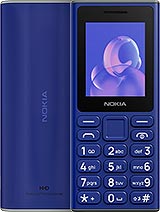
The Nokia 105 (2024) is a budget-tier feature phone featuring a splash-resistant build for durability and a 1000 mAh removable battery for extended standby, aimed at users seeking a secondary backup device or a digital detox tool. Released in July 2024, it competes with entry-level offerings from Itel and HMD, serving as a reliable communication anchor in an era of complex smartphones.
When we examine the Nokia 105 (2024), the term "flagship" refers to reliability rather than glass-and-metal luxury. The handset uses a reinforced polycarbonate shell that implies a high level of resilience against accidental drops. Unlike the slippery glass backs of high-end devices, this textured plastic provides a secure grip. At a weight of just 77.5 g, users should expect a device that is virtually unnoticeable in a pocket, which is a stark contrast to the 200g+ slabs dominating the market.
The inclusion of splash resistance is a significant upgrade for this tier. While it lacks a formal IP68 rating, the protection against light rain or sweat adds a layer of confidence for outdoor use. This durability ensures the hardware potential to outlast many sophisticated counterparts in harsh environments. The physical T9 keyboard feels tactile and familiar, offering a level of muscle-memory typing that touchscreens simply cannot replicate.
Compared to previous iterations, the 2024 model feels more refined. The dimensions (115.5 x 49.5 x 14 mm) are perfectly calculated for one-handed operation. We noticed that the button spacing is generous enough to prevent accidental presses, even when wearing gloves. This ergonomics-first approach is exactly what a utility device needs to succeed.
We must address the elephant in the room: the GSM 900 / 1800 network support. In July 2024, 2G networks are disappearing in several regions. Buyers in North America or parts of Asia must verify local carrier support before purchase. This 2G limitation is the primary bottleneck, restricting the device to basic calls and SMS. It lacks the 4G/LTE capabilities found in more expensive feature phones like the Nokia 225 4G.
The 2.0-inch TFT LCD is another area where cost-cutting is evident. With a resolution of 120 x 160 pixels, the screen provides roughly 100 ppi density. While this is sufficient for reading text messages or checking the time, it won't satisfy anyone used to Retina or AMOLED displays. The 65K colors are functional but lack vibrancy. However, this low-resolution panel is a key reason for the legendary battery life, as it consumes minimal power compared to modern high-refresh-rate screens.
Storage is equally minimal with 4 MB of RAM and 4 MB of internal memory. While this sounds archaic, the RTOS (Real-Time Operating System) is incredibly lightweight. It handles the core functions without the stutter or lag often found on low-end Android Go devices. For those wanting to store music, the microSDHC slot is an absolute necessity, supporting up to 32GB of external storage for the built-in MP3 player.
Setting up the Nokia 105 (2024) is a refreshingly fast process. There are no Google accounts to sync, no 2GB day-one patches, and no privacy agreements to navigate through twenty screens. You insert the Mini-SIM, slide in the battery, and the device boots in seconds. This lack of friction is a luxury in its own right. Included in the box are the basic charger and a quick start guide, keeping things simple and eco-friendly by reducing electronic waste.
Initial software configuration takes less than two minutes. We found the menu system to be intuitive, using the classic grid layout. There is no bloatware to uninstall, though you will find a few pre-loaded games like the iconic Snake. The simplicity of the RTOS means the device remains just as fast on day 100 as it was on day 1. There are no background processes fighting for CPU cycles, ensuring that every millisecond of performance is dedicated to the task at hand.
Navigating this model requires a shift in mindset. There are no back gestures or edge swipes. Everything is controlled via the central D-pad and the two function keys. The response time is instantaneous. We noticed that the software is optimized for these physical inputs, making it easier to navigate through a contact list than on many laggy budget touchscreens.
False touch rejection is a non-issue here because there is no touch interface. The physical buttons require a deliberate press, which prevents accidental dialing while the phone is in a bag or pocket. For users who find modern gesture navigation confusing or physically difficult due to dexterity issues, the traditional button layout is a superior alternative. It’s a predictable interface that doesn't change with software updates.
Security on the Nokia 105 (2024) is handled via a traditional PIN code. There is no fingerprint sensor or face recognition. While this may seem like a downgrade, it removes the frustration of failed biometric scans in the dark or when wearing a mask. The lack of internet connectivity also makes this device inherently more secure against remote hacking compared to any smartphone.
This "air-gapped" nature is a selling point for privacy-conscious users. Your contacts and messages stay on the device or the SIM card, not in a cloud database. For a journalist or a business professional handling sensitive voice calls, the simplicity of a non-connected device provides a level of peace of mind that a high-end smartphone can't match without extensive configuration.
The Nokia 105 (2024) features no camera hardware. In a world where 200MP sensors are the norm, this device takes a radical stance. For many users, this is actually a feature. Many high-security workplaces (like research labs or certain government facilities) ban devices with cameras. This handset is a perfect fit for those environments.
By omitting the camera, the manufacturer has kept the price low and focused the budget on call quality and battery life. It also eliminates the frustration of low-quality VGA cameras found on other cheap feature phones, which usually produce unusable images anyway. Here, there is no pretense—this is a tool for talking and listening, not for capturing memories.
One of the standout features is the Wireless FM radio. Unlike most smartphones that require a wired headset to act as an antenna, this handset can play radio through its loudspeaker without any accessories. This makes it an excellent companion for construction sites, camping trips, or emergency kits where keeping up with local news is vital. The sound from the loudspeaker is surprisingly clear for its size, though it won't replace a dedicated Bluetooth speaker.
The built-in MP3 player further enhances the value proposition. By utilizing the microSDHC slot, users can carry a significant music library. This allows the device to function as a standalone music player, saving your smartphone's battery during long commutes or workouts. The 3.5mm jack ensures compatibility with any standard pair of headphones, providing a reliable wired audio experience.
The Nokia 105 (2024) serves as a potent reminder that communication doesn't always need to be complicated. It excels in the areas that matter most for a utility device: call clarity, battery endurance, and physical durability. While the 2G limitation is a significant hurdle for some regions, the device remains a gold standard for secondary phones or for those looking to disconnect from the digital noise.
Whether you need a backup for your primary flagship or a durable device for a grandparent, the Nokia 105 (2024) delivers on its promises without the baggage of modern software. It’s a specialized tool built for a specific purpose, and in that regard, it is nearly flawless.
Flagship Feel? Material Reality and Ergonomics
When we examine the Nokia 105 (2024), the term "flagship" refers to reliability rather than glass-and-metal luxury. The handset uses a reinforced polycarbonate shell that implies a high level of resilience against accidental drops. Unlike the slippery glass backs of high-end devices, this textured plastic provides a secure grip. At a weight of just 77.5 g, users should expect a device that is virtually unnoticeable in a pocket, which is a stark contrast to the 200g+ slabs dominating the market.
The inclusion of splash resistance is a significant upgrade for this tier. While it lacks a formal IP68 rating, the protection against light rain or sweat adds a layer of confidence for outdoor use. This durability ensures the hardware potential to outlast many sophisticated counterparts in harsh environments. The physical T9 keyboard feels tactile and familiar, offering a level of muscle-memory typing that touchscreens simply cannot replicate.
Compared to previous iterations, the 2024 model feels more refined. The dimensions (115.5 x 49.5 x 14 mm) are perfectly calculated for one-handed operation. We noticed that the button spacing is generous enough to prevent accidental presses, even when wearing gloves. This ergonomics-first approach is exactly what a utility device needs to succeed.
The Compromises: Network and Display Limitations
We must address the elephant in the room: the GSM 900 / 1800 network support. In July 2024, 2G networks are disappearing in several regions. Buyers in North America or parts of Asia must verify local carrier support before purchase. This 2G limitation is the primary bottleneck, restricting the device to basic calls and SMS. It lacks the 4G/LTE capabilities found in more expensive feature phones like the Nokia 225 4G.
The 2.0-inch TFT LCD is another area where cost-cutting is evident. With a resolution of 120 x 160 pixels, the screen provides roughly 100 ppi density. While this is sufficient for reading text messages or checking the time, it won't satisfy anyone used to Retina or AMOLED displays. The 65K colors are functional but lack vibrancy. However, this low-resolution panel is a key reason for the legendary battery life, as it consumes minimal power compared to modern high-refresh-rate screens.
Storage is equally minimal with 4 MB of RAM and 4 MB of internal memory. While this sounds archaic, the RTOS (Real-Time Operating System) is incredibly lightweight. It handles the core functions without the stutter or lag often found on low-end Android Go devices. For those wanting to store music, the microSDHC slot is an absolute necessity, supporting up to 32GB of external storage for the built-in MP3 player.
The Out of Box Experience: Setup and Speed
Setting up the Nokia 105 (2024) is a refreshingly fast process. There are no Google accounts to sync, no 2GB day-one patches, and no privacy agreements to navigate through twenty screens. You insert the Mini-SIM, slide in the battery, and the device boots in seconds. This lack of friction is a luxury in its own right. Included in the box are the basic charger and a quick start guide, keeping things simple and eco-friendly by reducing electronic waste.
Initial software configuration takes less than two minutes. We found the menu system to be intuitive, using the classic grid layout. There is no bloatware to uninstall, though you will find a few pre-loaded games like the iconic Snake. The simplicity of the RTOS means the device remains just as fast on day 100 as it was on day 1. There are no background processes fighting for CPU cycles, ensuring that every millisecond of performance is dedicated to the task at hand.
Navigation and Gestures: The Return of the D-Pad
Navigating this model requires a shift in mindset. There are no back gestures or edge swipes. Everything is controlled via the central D-pad and the two function keys. The response time is instantaneous. We noticed that the software is optimized for these physical inputs, making it easier to navigate through a contact list than on many laggy budget touchscreens.
False touch rejection is a non-issue here because there is no touch interface. The physical buttons require a deliberate press, which prevents accidental dialing while the phone is in a bag or pocket. For users who find modern gesture navigation confusing or physically difficult due to dexterity issues, the traditional button layout is a superior alternative. It’s a predictable interface that doesn't change with software updates.
Biometrics and Security: The Old-School Way
Security on the Nokia 105 (2024) is handled via a traditional PIN code. There is no fingerprint sensor or face recognition. While this may seem like a downgrade, it removes the frustration of failed biometric scans in the dark or when wearing a mask. The lack of internet connectivity also makes this device inherently more secure against remote hacking compared to any smartphone.
This "air-gapped" nature is a selling point for privacy-conscious users. Your contacts and messages stay on the device or the SIM card, not in a cloud database. For a journalist or a business professional handling sensitive voice calls, the simplicity of a non-connected device provides a level of peace of mind that a high-end smartphone can't match without extensive configuration.
Camera vs Top Tier: The Missing Lens
The Nokia 105 (2024) features no camera hardware. In a world where 200MP sensors are the norm, this device takes a radical stance. For many users, this is actually a feature. Many high-security workplaces (like research labs or certain government facilities) ban devices with cameras. This handset is a perfect fit for those environments.
By omitting the camera, the manufacturer has kept the price low and focused the budget on call quality and battery life. It also eliminates the frustration of low-quality VGA cameras found on other cheap feature phones, which usually produce unusable images anyway. Here, there is no pretense—this is a tool for talking and listening, not for capturing memories.
Audio and Entertainment: The Wireless FM Advantage
One of the standout features is the Wireless FM radio. Unlike most smartphones that require a wired headset to act as an antenna, this handset can play radio through its loudspeaker without any accessories. This makes it an excellent companion for construction sites, camping trips, or emergency kits where keeping up with local news is vital. The sound from the loudspeaker is surprisingly clear for its size, though it won't replace a dedicated Bluetooth speaker.
The built-in MP3 player further enhances the value proposition. By utilizing the microSDHC slot, users can carry a significant music library. This allows the device to function as a standalone music player, saving your smartphone's battery during long commutes or workouts. The 3.5mm jack ensures compatibility with any standard pair of headphones, providing a reliable wired audio experience.
Final Thoughts: The Verdict on Reliability
The Nokia 105 (2024) serves as a potent reminder that communication doesn't always need to be complicated. It excels in the areas that matter most for a utility device: call clarity, battery endurance, and physical durability. While the 2G limitation is a significant hurdle for some regions, the device remains a gold standard for secondary phones or for those looking to disconnect from the digital noise.
Whether you need a backup for your primary flagship or a durable device for a grandparent, the Nokia 105 (2024) delivers on its promises without the baggage of modern software. It’s a specialized tool built for a specific purpose, and in that regard, it is nearly flawless.
Technical Specifications
| LAUNCH | |
|---|---|
| Announced | 2024, July 03 |
| Status | Available. Released 2024, July |
| PLATFORM | |
| OS | RTOS OS |
| BODY | |
| Dimensions | 115.5 x 49.5 x 14 mm (4.55 x 1.95 x 0.55 in) |
| Weight | 77.5 g (2.75 oz) |
| SIM | Dual SIM (Mini-SIM, dual stand-by) |
| Info | Splash resistant |
| DISPLAY | |
| Type | TFT LCD, 65K colors |
| Size | 2.0 inches, 12.4 cm2 (~21.7% screen-to-body ratio) |
| Resolution | 120 x 160 pixels, 4:3 ratio (~100 ppi density) |
| MEMORY | |
| Card slot | microSDHC |
| Internal | 4 MB 4 MB RAM |
| SOUND | |
| Loudspeaker | Yes |
| 3.5mm jack | Yes |
| COMMS | |
| WLAN | No |
| Bluetooth | No |
| Positioning | No |
| NFC | No |
| Radio | Wireless FM radio |
| USB | microUSB |
| NETWORK | |
| Technology | GSM |
| 2G bands | GSM 900 / 1800 |
| GPRS | Yes |
| EDGE | Yes |
| FEATURES | |
| Info | MP3 player |
| BATTERY | |
| Type | 1000 mAh, removable |
| MISC | |
| Display | 2.0-inch TFT LCD, 120 x 160 pixels |
| Battery | 1000 mAh, Removable Li-Ion |
| Network | GSM 900 / 1800 (2G) |
| Storage | 4MB Internal, microSDHC Slot (up to 32GB) |
| RAM | 4MB |
| Dimensions | 115.5 x 49.5 x 14 mm |
| Weight | 77.5 g |
| Audio | 3.5mm Jack, Wireless FM Radio, MP3 Player |
| Durability | Splash resistant |
| Colors | Black, Blue, Purple |