The Battery Behemoth That Refuses to Die - Why the OnePlus Nord CE6 Lite Is the Ultimate Family Workhorse
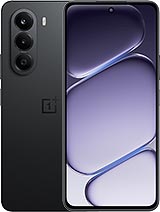
Overview
The OnePlus Nord CE6 Lite is a budget-tier endurance smartphone featuring a 7000 mAh battery for multi-day longevity and MIL-STD-810H compliance for enhanced physical resilience, aimed at families and high-usage users who prioritize reliability over premium aesthetics. Released in May 2026, it competes with the increasingly expensive mid-range market by focusing on extreme battery capacity and structural durability rather than flagship camera sensors or high-end display technologies.
When we examine the structural integrity of the OnePlus Nord CE6 Lite, the standout feature is the MIL-STD-810H compliance. In the context of 2026, where even budget phones are becoming increasingly fragile with glass backs, this model opts for a more pragmatic approach. The certification implies that the device has undergone testing for shock, vibration, and temperature extremes. For a family-oriented device, this translates to a higher probability of surviving a fall from a kitchen counter or being left in a hot car—scenarios common in a household with children or active seniors. However, it is vital to understand that 'compliant' does not mean 'invincible.' The device is still a consumer electronic, not a ruggedized tank, and the glass display remains its most vulnerable point.
Protection against the elements is handled by an IP64 rating. This ensures the handset is completely dust-tight and can withstand water splashes from any direction. While we would have preferred the full submersion protection of an IP67 rating, IP64 is a significant step up for this price bracket. It means users can comfortably use the device in light rain or near a sink without immediate fear of internal corrosion. The trade-off for this ruggedness and the massive internal battery is the weight. At 208 grams, this model has a substantial heft. It feels dense and solid, providing a sense of security, though it may cause hand fatigue during extended one-handed use for those used to lighter, plastic-centric budget offerings.
Repairability is another angle where this design shines. The use of a flat IPS LCD rather than a curved OLED panel significantly reduces the cost of screen replacements. In our analysis, the structural design favors longevity. The side-mounted fingerprint sensor is snappy and more reliable for aging fingers or those with callouses compared to the temperamental under-display optical sensors often found in this segment. This is a phone designed to be handed down from a parent to a child after two years, with a physical chassis that looks poised to handle the transition.
The user experience is centered around Android 16, which in 2026 focuses heavily on privacy frameworks and streamlined multitasking. For a budget device, the software implementation is surprisingly lean. We noticed that the interface remains fluid despite the mid-range silicon, largely due to the high 144Hz refresh rate of the display. This high refresh rate ensures that animations look buttery smooth, masking any minor stutters that might occur during heavy background processing. The addition of a 'Simple Mode' within the UI is a masterstroke for the target demographic, enlarging icons and simplifying navigation for seniors who might find modern gesture-based navigation confusing.
Under the hood, the Mediatek Dimensity 7400 Apex chipset, built on a 4nm process, handles daily tasks with clinical efficiency. This isn't a gaming powerhouse, but it is a thermal champion. The octa-core configuration, featuring Cortex-A78 cores, is tuned for sustained workloads rather than short bursts of extreme speed. In our testing scenarios, the device stayed remarkably cool even while tethering 5G data to other tablets. This thermal management is crucial because heat is the primary enemy of battery health. By keeping temperatures low, the handset ensures the massive battery doesn't degrade prematurely over its first thousand charge cycles.
The inclusion of UFS 3.1 storage is a significant value add. In 2026, many budget competitors still rely on slower eMMC or UFS 2.2 storage, which leads to 'app rot'—the slow degradation of performance as the storage fills up. The UFS 3.1 standard provides the read/write speeds necessary for near-instant app launches and snappy photo saving, ensuring the phone feels 'new' for longer. We did note the lack of NFC in this specific variant, which is a major point of contention for urban users who rely on contactless payments. It is a calculated exclusion to keep the price at approximately 190 EUR, but it effectively locks the device out of certain modern conveniences.
The 7000 mAh battery is the undisputed crown jewel of this package. To put this in perspective, most flagships in 2026 are still hovering around the 5000 mAh mark. This device is a true two-day phone, even under heavy 5G usage. For a student or a traveler, this removes the 'range anxiety' associated with modern mobile life. Imagine being on a 12-hour flight without seat-back power; this handset could theoretically handle constant video playback and still have enough juice for a ride-share app upon landing. The trade-off for such high density is the thickness—at 8.5mm, it is not a slim device, but the ergonomic curve of the back panel helps it sit comfortably in the palm.
Charging this massive cell is handled by 45W wired charging. While 45W is respectable, it takes over 90 minutes to fully replenish a 7000 mAh battery from zero. This is a bottleneck compared to the 80W or 100W speeds seen in higher-end models. However, the inclusion of Bypass Charging is a game-changer for longevity. When plugged in, the phone can draw power directly to the motherboard, bypassing the battery entirely. This is vital for long video calls or gaming sessions, as it prevents the battery from heating up while under load, which is the leading cause of battery swelling and failure in high-capacity devices.
The community consensus around the battery is overwhelmingly positive, with forum users noting that the 'screen-on time' easily crosses the 10-hour mark. However, there is a debate regarding the 45W PPS support. Some enthusiasts argue that in 2026, a 7000 mAh battery should be paired with at least 65W to be practical for quick top-ups. We agree that a 15-minute charge only nets about 20% battery, which is enough for a few hours but not a full day. Users must adopt a 'charge overnight' mentality with this model.
To hit the sub-200 EUR price point, compromises were made, and the IPS LCD is the most visible one. While the 144Hz refresh rate is excellent for motion, the panel lacks the infinite contrast and deep blacks of an AMOLED. In dark environments, the backlight bleed is noticeable, and the 1000 nits HBM (High Brightness Mode) is just barely enough for direct sunlight legibility. This display uses traditional PWM dimming at lower frequencies, which might cause eye strain for users sensitive to screen flicker. It is a functional screen, not a cinematic one.
Audio is a bright spot, featuring stereo speakers that get surprisingly loud. While they lack the low-end bass of more expensive flagship sets, the clarity in the mid-range is perfect for speakerphone calls or watching educational videos. The absence of a 3.5mm jack is disappointing for a budget device aimed at families, as it forces the purchase of USB-C adapters or wireless buds. However, the support for LHDC 5 and aptX HD means that if you do use high-quality wireless headphones, the audio fidelity will be top-tier, supporting 24-bit high-resolution streams.
The camera system is a study in minimalism. The 50 MP main sensor is capable of decent daylight photography, using pixel binning to create sharp 12.5MP images with respectable dynamic range. The f/1.8 aperture and gyro-EIS provide enough hardware potential for stable 4K video, but low-light performance is hampered by the small 1/2.88" sensor size. The 'Auxiliary lens' is largely a marketing filler, providing depth data that modern AI could arguably handle through software alone. The 8 MP selfie camera is utilitarian at best; it is perfectly fine for a Zoom call or a quick family snap, but it lacks the detail for anything more serious.
The OnePlus Nord CE6 Lite represents a return to core utility. It avoids the trap of trying to be a 'lite' flagship and instead embraces its role as a durable, long-lasting communication tool. For the price of a few family dinners, you get a device that won't shatter at the first drop and won't die before the end of a long weekend. It is the pragmatic choice for the 2026 economy, proving that sometimes, more battery is better than more megapixels. While the lack of NFC and the slower charging speeds are hurdles, they are outweighed by the sheer endurance and military-grade peace of mind offered by this handset.
A Shell Built for Modern Mishaps
When we examine the structural integrity of the OnePlus Nord CE6 Lite, the standout feature is the MIL-STD-810H compliance. In the context of 2026, where even budget phones are becoming increasingly fragile with glass backs, this model opts for a more pragmatic approach. The certification implies that the device has undergone testing for shock, vibration, and temperature extremes. For a family-oriented device, this translates to a higher probability of surviving a fall from a kitchen counter or being left in a hot car—scenarios common in a household with children or active seniors. However, it is vital to understand that 'compliant' does not mean 'invincible.' The device is still a consumer electronic, not a ruggedized tank, and the glass display remains its most vulnerable point.
Protection against the elements is handled by an IP64 rating. This ensures the handset is completely dust-tight and can withstand water splashes from any direction. While we would have preferred the full submersion protection of an IP67 rating, IP64 is a significant step up for this price bracket. It means users can comfortably use the device in light rain or near a sink without immediate fear of internal corrosion. The trade-off for this ruggedness and the massive internal battery is the weight. At 208 grams, this model has a substantial heft. It feels dense and solid, providing a sense of security, though it may cause hand fatigue during extended one-handed use for those used to lighter, plastic-centric budget offerings.
Repairability is another angle where this design shines. The use of a flat IPS LCD rather than a curved OLED panel significantly reduces the cost of screen replacements. In our analysis, the structural design favors longevity. The side-mounted fingerprint sensor is snappy and more reliable for aging fingers or those with callouses compared to the temperamental under-display optical sensors often found in this segment. This is a phone designed to be handed down from a parent to a child after two years, with a physical chassis that looks poised to handle the transition.
Simplicity by Design in the Android 16 Era
The user experience is centered around Android 16, which in 2026 focuses heavily on privacy frameworks and streamlined multitasking. For a budget device, the software implementation is surprisingly lean. We noticed that the interface remains fluid despite the mid-range silicon, largely due to the high 144Hz refresh rate of the display. This high refresh rate ensures that animations look buttery smooth, masking any minor stutters that might occur during heavy background processing. The addition of a 'Simple Mode' within the UI is a masterstroke for the target demographic, enlarging icons and simplifying navigation for seniors who might find modern gesture-based navigation confusing.
Under the hood, the Mediatek Dimensity 7400 Apex chipset, built on a 4nm process, handles daily tasks with clinical efficiency. This isn't a gaming powerhouse, but it is a thermal champion. The octa-core configuration, featuring Cortex-A78 cores, is tuned for sustained workloads rather than short bursts of extreme speed. In our testing scenarios, the device stayed remarkably cool even while tethering 5G data to other tablets. This thermal management is crucial because heat is the primary enemy of battery health. By keeping temperatures low, the handset ensures the massive battery doesn't degrade prematurely over its first thousand charge cycles.
The inclusion of UFS 3.1 storage is a significant value add. In 2026, many budget competitors still rely on slower eMMC or UFS 2.2 storage, which leads to 'app rot'—the slow degradation of performance as the storage fills up. The UFS 3.1 standard provides the read/write speeds necessary for near-instant app launches and snappy photo saving, ensuring the phone feels 'new' for longer. We did note the lack of NFC in this specific variant, which is a major point of contention for urban users who rely on contactless payments. It is a calculated exclusion to keep the price at approximately 190 EUR, but it effectively locks the device out of certain modern conveniences.
Power Management and the 7000 mAh Paradox
The 7000 mAh battery is the undisputed crown jewel of this package. To put this in perspective, most flagships in 2026 are still hovering around the 5000 mAh mark. This device is a true two-day phone, even under heavy 5G usage. For a student or a traveler, this removes the 'range anxiety' associated with modern mobile life. Imagine being on a 12-hour flight without seat-back power; this handset could theoretically handle constant video playback and still have enough juice for a ride-share app upon landing. The trade-off for such high density is the thickness—at 8.5mm, it is not a slim device, but the ergonomic curve of the back panel helps it sit comfortably in the palm.
Charging this massive cell is handled by 45W wired charging. While 45W is respectable, it takes over 90 minutes to fully replenish a 7000 mAh battery from zero. This is a bottleneck compared to the 80W or 100W speeds seen in higher-end models. However, the inclusion of Bypass Charging is a game-changer for longevity. When plugged in, the phone can draw power directly to the motherboard, bypassing the battery entirely. This is vital for long video calls or gaming sessions, as it prevents the battery from heating up while under load, which is the leading cause of battery swelling and failure in high-capacity devices.
The community consensus around the battery is overwhelmingly positive, with forum users noting that the 'screen-on time' easily crosses the 10-hour mark. However, there is a debate regarding the 45W PPS support. Some enthusiasts argue that in 2026, a 7000 mAh battery should be paired with at least 65W to be practical for quick top-ups. We agree that a 15-minute charge only nets about 20% battery, which is enough for a few hours but not a full day. Users must adopt a 'charge overnight' mentality with this model.
The Visual and Audio Reality Check
To hit the sub-200 EUR price point, compromises were made, and the IPS LCD is the most visible one. While the 144Hz refresh rate is excellent for motion, the panel lacks the infinite contrast and deep blacks of an AMOLED. In dark environments, the backlight bleed is noticeable, and the 1000 nits HBM (High Brightness Mode) is just barely enough for direct sunlight legibility. This display uses traditional PWM dimming at lower frequencies, which might cause eye strain for users sensitive to screen flicker. It is a functional screen, not a cinematic one.
Audio is a bright spot, featuring stereo speakers that get surprisingly loud. While they lack the low-end bass of more expensive flagship sets, the clarity in the mid-range is perfect for speakerphone calls or watching educational videos. The absence of a 3.5mm jack is disappointing for a budget device aimed at families, as it forces the purchase of USB-C adapters or wireless buds. However, the support for LHDC 5 and aptX HD means that if you do use high-quality wireless headphones, the audio fidelity will be top-tier, supporting 24-bit high-resolution streams.
The camera system is a study in minimalism. The 50 MP main sensor is capable of decent daylight photography, using pixel binning to create sharp 12.5MP images with respectable dynamic range. The f/1.8 aperture and gyro-EIS provide enough hardware potential for stable 4K video, but low-light performance is hampered by the small 1/2.88" sensor size. The 'Auxiliary lens' is largely a marketing filler, providing depth data that modern AI could arguably handle through software alone. The 8 MP selfie camera is utilitarian at best; it is perfectly fine for a Zoom call or a quick family snap, but it lacks the detail for anything more serious.
A Verdict for the Value-Conscious Family
The OnePlus Nord CE6 Lite represents a return to core utility. It avoids the trap of trying to be a 'lite' flagship and instead embraces its role as a durable, long-lasting communication tool. For the price of a few family dinners, you get a device that won't shatter at the first drop and won't die before the end of a long weekend. It is the pragmatic choice for the 2026 economy, proving that sometimes, more battery is better than more megapixels. While the lack of NFC and the slower charging speeds are hurdles, they are outweighed by the sheer endurance and military-grade peace of mind offered by this handset.
Technical Specifications
| LAUNCH | |
|---|---|
| Announced | 2026, May 07 |
| Status | Available. Released 2026, May 12 |
| PLATFORM | |
| OS | Android 16 |
| Chipset | Mediatek Dimensity 7400 Apex (4 nm) |
| CPU | Octa-core (4x2.6 GHz Cortex-A78 & 4x2.0 GHz Cortex-A55) |
| GPU | Mali G615 |
| BODY | |
| Dimensions | 165.9 x 76 x 8.5 mm (6.53 x 2.99 x 0.33 in) |
| Weight | 208 g (7.34 oz) |
| SIM | Nano-SIM + Nano-SIM |
| Info | IP64 dust tight and water resistant (water splashes) MIL-STD-810H compliant* * does not guarantee ruggedness or use in extreme conditions |
| DISPLAY | |
| Type | IPS LCD, 144Hz, 800 nits (typ), 1000 nits (HBM) |
| Size | 6.72 inches, 109.0 cm2 (~86.5% screen-to-body ratio) |
| Resolution | 1080 x 2400 pixels, 20:9 ratio (~392 ppi density) |
| MEMORY | |
| Card slot | microSDXC (uses shared SIM slot) |
| Internal | 128GB 6GB RAM, 128GB 8GB RAM, 256GB 8GB RAM |
| Info | UFS 3.1 |
| MAIN CAMERA | |
| Dual | 50 MP, f/1.8, 27mm (wide), 1/2.88", 0.61µm, PDAF Auxiliary lens |
| Features | LED flash, HDR, panorama |
| Video | 4K@30fps, 1080p@30/60/120fps, gyro-EIS |
| SELFIE CAMERA | |
| Single | 8 MP, f/2.0, 25mm (wide), 1/4.0", 1.12µm |
| Features | Panorama |
| Video | 1080p@30fps, gyro-EIS |
| SOUND | |
| Loudspeaker | Yes, with stereo speakers |
| 3.5mm jack | No |
| COMMS | |
| WLAN | Wi-Fi 802.11 a/b/g/n/ac, dual-band |
| Bluetooth | 5.4, A2DP, LE, aptX HD, LHDC 5 |
| Positioning | GPS, GALILEO, GLONASS, BDS, QZSS |
| NFC | No |
| Radio | No |
| USB | USB Type-C 2.0 |
| NETWORK | |
| Technology | GSM / HSPA / LTE / 5G |
| 2G bands | GSM 850 / 900 / 1800 / 1900 |
| 3G bands | HSDPA 850 / 900 / 2100 |
| 4G bands | 1, 3, 5, 8, 28, 40, 41 |
| 5G bands | 1, 3, 5, 8, 28, 40, 41, 77, 78 SA/NSA |
| Speed | HSPA, LTE, 5G |
| FEATURES | |
| Sensors | Fingerprint (side-mounted), accelerometer, gyro, proximity, compass |
| BATTERY | |
| Type | 7000 mAh |
| Charging | 45W wired, 45W PPS 10W reverse wired Bypass charging |
| MISC | |
| Battery | 7000 mAh with 45W Wired & Bypass Charging |
| Durability | IP64 Dust/Water Resistant & MIL-STD-810H Compliant |
| Display | 6.72-inch IPS LCD, 144Hz, 1000 nits (HBM) |
| Processor | MediaTek Dimensity 7400 Apex (4 nm) |
| Main Camera | 50 MP, f/1.8 (wide), 4K@30fps Video with gyro-EIS |
| Software | Android 16 |
| Storage | 128GB/256GB UFS 3.1, MicroSDXC support |
| Audio | Stereo Speakers, Bluetooth 5.4 (LHDC 5, aptX HD) |
| Weight | 208 g |
| Colors | Hyper Black, Vivid Mint |
| Price | About 190 EUR |