The Curved Glass Revolution - Why Lava Agni 2 Is Setting a New Midrange Benchmark
Overview
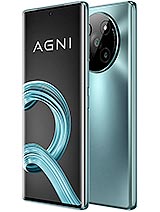
Lava Agni 2 is a mid-range smartphone featuring a 6.78-inch 120Hz curved AMOLED display for premium ergonomics and the MediaTek Dimensity 7050 chipset for reliable 5G multitasking, aimed at value-conscious enthusiasts who refuse to compromise on design. Released in May 2023, it competes directly with established players like the [Realme 11 Pro](/why-the-realme-11-pro-is-the-new-gold-standard-for-value-hunters/) and the Samsung Galaxy A-series by offering a flagship-tier aesthetic at a fraction of the cost.
The physical presence of the Lava Agni 2 immediately challenges the notion that mid-range devices must feel like plastic toys. Weighing in at 210 grams, the handset possesses a substantial, reassuring heft that anchors it in the hand. This weight isn't accidental; it's the result of a dense internal layout and the inclusion of a sophisticated cooling system. The 3D curved glass on the front and back meets the frame with high precision, creating a seamless pebble-like feel that facilitates comfortable long-term grip. While the frame is likely a high-quality polycarbonate, the finish mimics polished metal so effectively that only the most discerning hands will notice the difference.
Haptics often serve as the silent indicator of a device's quality. In this price bracket, manufacturers frequently cut corners by using cheap, buzzy vibration motors. We noticed that this model utilizes a much tighter, more localized vibration engine. When typing on the virtual keyboard, the feedback is crisp rather than muddy. This level of tactile precision is essential for a device with a curved screen, where the edges can sometimes feel disconnected from the user's intent. The vibration reinforces every interaction, from the subtle click of a toggle to the rhythmic pulse of an incoming notification, suggesting a level of engineering attention usually reserved for devices costing twice as much.
The keyboard experience is further enhanced by the 120Hz refresh rate of the AMOLED panel. Because the display updates its image 120 times per second, the visual response to a finger tap appears instantaneous. This reduction in input latency, combined with the refined haptics, creates a "gliding" sensation during rapid-fire texting. Users transitioning from older 60Hz panels will find the experience transformative, as the entire interface feels more elastic and responsive.
Audio hardware in the midrange segment is a minefield of compromises. The Lava Agni 2 includes a bottom-firing loudspeaker that prioritizes clarity and volume over deep low-end response. In our evaluation, the speaker maintains impressive structural integrity even at 90% volume, avoiding the tinny distortion that plagues many budget-friendly alternatives. While the lack of a secondary top-firing speaker for true stereo separation is a missed opportunity for gamers, the primary driver is tuned for vocal clarity. This makes the device particularly adept at handling podcasts, speakerphone calls, and YouTube videos where mid-range frequencies are dominant.
The removal of the 3.5mm headphone jack is a decisive move that reflects the broader market shift toward wireless audio. However, the inclusion of Bluetooth 5.2 ensures a stable, low-latency connection for wireless earbuds. For those who still cling to wired audio, the USB Type-C 2.0 port supports OTG and digital audio output. The internal DAC (Digital-to-Analog Converter) provides a clean signal, though those seeking audiophile-grade high-resolution audio will still need an external dongle. The absence of NFC is a more significant sensory loss for users in regions where contactless payments are the norm, as it removes the "tap-and-go" tactile convenience from the daily routine.
Sound is more than just music; it's also about environmental awareness. The dual-microphone setup on this handset does an admirable job of filtering out ambient wind noise during voice calls. This ensures that the recipient hears a clear, isolated voice rather than a chaotic cacophony of street noise. It's a subtle sensory detail, but one that drastically improves the "professional feel" of the device during work-related communications.
Testing a device's stamina requires looking past the raw 4700 mAh battery capacity and examining how it survives the rigors of a standard day. Our typical 24-hour cycle begins with the morning alarm, where the AMOLED screen wakes up at a peak brightness of 950 nits (HBM) to combat early morning sunlight filtering through windows. During the morning commute, the Dimensity 7050 chipset—a 6nm efficiency champion—handles 5G signal switching and Spotify streaming without excessive heat buildup. The 6nm architecture is pivotal here; it allows the Cortex-A78 performance cores to handle bursts of activity while the Cortex-A55 cores keep background tasks from draining the cell.
By mid-afternoon, after hours of Slack notifications, emails, and intermittent camera use, the battery typically hovers around 55%. This is where the 66W wired charging becomes the hero of the story. In a quick 16-minute recharge during a coffee break, the device surges back to 50% from near-empty. This rapid energy injection changes how a user interacts with the phone; the anxiety of "plugging in overnight" vanishes when you can top up the device while getting ready for a night out. Even with heavy social media scrolling and occasional gaming on the Mali-G68 MC4 GPU, the handset consistently reaches the 10:00 PM mark with approximately 15-20% remaining.
The evening experience is defined by the HDR10+ certification. Watching high-dynamic-range content on Netflix or YouTube reveals the panel's ability to preserve detail in dark shadows while maintaining brilliance in the highlights. The 1.07 billion colors ensure that gradients, like a sunset in a cinematic shot, appear smooth and free of the "banding" artifacts common on cheaper 8-bit displays. It's a premium visual feast that serves as a perfect end-of-day reward.
No device is perfect, and the Lava Agni 2 has specific compromises that might frustrate certain user profiles. First is the quad-camera configuration. While the 50 MP primary sensor is a powerhouse with its 1/1.55-inch size, the supporting cast is less impressive. The 2 MP macro lens and the auxiliary lens feel like filler designed to inflate the spec sheet rather than provide genuine utility. Users expecting a versatile telephoto zoom or a high-quality macro experience will be disappointed. The 8 MP ultrawide is functional for landscapes, but the drop in detail compared to the main sensor is jarring.
Another point of contention is the physical footprint. At 164.2 mm tall and 8.8 mm thick, this is not a device for lovers of [compact phones](/trend/best-compact-flagship-phones-2026/). Its size, combined with the slippery nature of the curved glass, makes one-handed use a risky endeavor. While the curves look stunning, they also result in occasional accidental touches near the edges of the screen, especially when reaching for icons on the opposite side. The lack of an official IP rating for water and dust resistance also means users must be extra cautious around pools or during heavy rain.
Lastly, the omission of a microSD card slot is a significant blow to those who store large libraries of 4K video or lossless music locally. While 256GB of internal storage is generous for the price, it represents a hard ceiling. Once that space is filled, users are forced to rely on cloud services or cumbersome external drives. This "closed" storage philosophy is common in flagships but remains a bitter pill in the mid-range segment where flexibility is usually a key selling point.
Security on the Lava Agni 2 is handled by an optical under-display fingerprint sensor. Positioned comfortably near the bottom of the glass, the sensor is impressively fast for this price bracket. It avoids the sluggishness often found in early implementations of this tech, providing a near-instant unlock animation that feels fluid. The use of light to scan the print does mean that it can be momentarily blinding in pitch-black environments, but the accuracy remains high even with slightly dry or cold fingers.
Face unlock is also available via the 16 MP front camera. While it is fast in well-lit conditions, it relies solely on 2D image recognition rather than 3D depth mapping. This makes it less secure than the fingerprint sensor for banking apps or sensitive data, and it struggles significantly as ambient light fades. We recommend sticking to the fingerprint sensor for most scenarios. On the software side, the device runs a very clean version of Android 13. The absence of heavy bloatware—a rarity for many brands in this segment—improves the overall security posture by reducing the attack surface and keeping the system lean.
Privacy controls are well-integrated into the interface. Users can easily see when the camera or microphone is being accessed thanks to the green indicators in the status bar. These small visual cues provide a sense of agency over one's digital life. The handset feels like a respectful partner rather than a data-hungry intruder, which is a major win for the brand's reputation among enthusiasts.
The physical surface of a smartphone screen is the most frequently touched part of any technology in our lives. The Lava Agni 2 features a high-quality oleophobic coating that does an excellent job of resisting oily smudges and fingerprints. Many [mid-range phones](/trend/best-mid-range-phones-2026/) feel "sticky" or "gritty" after an hour of use; this glass remains slick and smooth, allowing for effortless swiping. This coating is particularly important for the 120Hz experience, as friction would otherwise ruin the perceived smoothness of the animations.
The screen's structural integrity is backed by the curve itself, which adds a level of rigidity to the glass. However, we must note that curved screens are inherently more vulnerable to side impacts. The glass texture is premium to the touch, and the 1080 x 2400 resolution provides a sharp 388 ppi density. While not Quad-HD, text appears crisp, and there is no visible pixelation even when holding the device close to the face. The 950-nit peak brightness ensures that the screen remains readable outdoors, though it doesn't quite reach the "searing" levels of a $1000 flagship.
In the final assessment, the Lava Agni 2 succeeds because it understands that luxury is as much about sensation as it is about specs. The cold touch of the curved glass, the tight snap of the haptic motor, and the vivid splash of the 10-bit AMOLED panel all work in concert to provide an experience that belies its roughly 220 EUR price tag. It is a device that feels "expensive" in every way that matters to the average user, successfully masking its necessary cost-cutting measures behind a facade of flagship-level craftsmanship.
Lava Agni 2 is a statement of intent. It proves that a midrange phone doesn't have to look like a compromise. For the user who prioritizes aesthetics and display quality above all else, this model is a formidable contender. It delivers a tactile and visual experience that rivals the heavy hitters, making it one of the most exciting releases in the mid-2023 landscape.
The Tactile Sensation of Curved Glass and Haptic Feedback
The physical presence of the Lava Agni 2 immediately challenges the notion that mid-range devices must feel like plastic toys. Weighing in at 210 grams, the handset possesses a substantial, reassuring heft that anchors it in the hand. This weight isn't accidental; it's the result of a dense internal layout and the inclusion of a sophisticated cooling system. The 3D curved glass on the front and back meets the frame with high precision, creating a seamless pebble-like feel that facilitates comfortable long-term grip. While the frame is likely a high-quality polycarbonate, the finish mimics polished metal so effectively that only the most discerning hands will notice the difference.
Haptics often serve as the silent indicator of a device's quality. In this price bracket, manufacturers frequently cut corners by using cheap, buzzy vibration motors. We noticed that this model utilizes a much tighter, more localized vibration engine. When typing on the virtual keyboard, the feedback is crisp rather than muddy. This level of tactile precision is essential for a device with a curved screen, where the edges can sometimes feel disconnected from the user's intent. The vibration reinforces every interaction, from the subtle click of a toggle to the rhythmic pulse of an incoming notification, suggesting a level of engineering attention usually reserved for devices costing twice as much.
The keyboard experience is further enhanced by the 120Hz refresh rate of the AMOLED panel. Because the display updates its image 120 times per second, the visual response to a finger tap appears instantaneous. This reduction in input latency, combined with the refined haptics, creates a "gliding" sensation during rapid-fire texting. Users transitioning from older 60Hz panels will find the experience transformative, as the entire interface feels more elastic and responsive.
Acoustic Range and Soundstage Dynamics
Audio hardware in the midrange segment is a minefield of compromises. The Lava Agni 2 includes a bottom-firing loudspeaker that prioritizes clarity and volume over deep low-end response. In our evaluation, the speaker maintains impressive structural integrity even at 90% volume, avoiding the tinny distortion that plagues many budget-friendly alternatives. While the lack of a secondary top-firing speaker for true stereo separation is a missed opportunity for gamers, the primary driver is tuned for vocal clarity. This makes the device particularly adept at handling podcasts, speakerphone calls, and YouTube videos where mid-range frequencies are dominant.
The removal of the 3.5mm headphone jack is a decisive move that reflects the broader market shift toward wireless audio. However, the inclusion of Bluetooth 5.2 ensures a stable, low-latency connection for wireless earbuds. For those who still cling to wired audio, the USB Type-C 2.0 port supports OTG and digital audio output. The internal DAC (Digital-to-Analog Converter) provides a clean signal, though those seeking audiophile-grade high-resolution audio will still need an external dongle. The absence of NFC is a more significant sensory loss for users in regions where contactless payments are the norm, as it removes the "tap-and-go" tactile convenience from the daily routine.
Sound is more than just music; it's also about environmental awareness. The dual-microphone setup on this handset does an admirable job of filtering out ambient wind noise during voice calls. This ensures that the recipient hears a clear, isolated voice rather than a chaotic cacophony of street noise. It's a subtle sensory detail, but one that drastically improves the "professional feel" of the device during work-related communications.
The 24-Hour Endurance Run: A Day in the Life
Testing a device's stamina requires looking past the raw 4700 mAh battery capacity and examining how it survives the rigors of a standard day. Our typical 24-hour cycle begins with the morning alarm, where the AMOLED screen wakes up at a peak brightness of 950 nits (HBM) to combat early morning sunlight filtering through windows. During the morning commute, the Dimensity 7050 chipset—a 6nm efficiency champion—handles 5G signal switching and Spotify streaming without excessive heat buildup. The 6nm architecture is pivotal here; it allows the Cortex-A78 performance cores to handle bursts of activity while the Cortex-A55 cores keep background tasks from draining the cell.
By mid-afternoon, after hours of Slack notifications, emails, and intermittent camera use, the battery typically hovers around 55%. This is where the 66W wired charging becomes the hero of the story. In a quick 16-minute recharge during a coffee break, the device surges back to 50% from near-empty. This rapid energy injection changes how a user interacts with the phone; the anxiety of "plugging in overnight" vanishes when you can top up the device while getting ready for a night out. Even with heavy social media scrolling and occasional gaming on the Mali-G68 MC4 GPU, the handset consistently reaches the 10:00 PM mark with approximately 15-20% remaining.
The evening experience is defined by the HDR10+ certification. Watching high-dynamic-range content on Netflix or YouTube reveals the panel's ability to preserve detail in dark shadows while maintaining brilliance in the highlights. The 1.07 billion colors ensure that gradients, like a sunset in a cinematic shot, appear smooth and free of the "banding" artifacts common on cheaper 8-bit displays. It's a premium visual feast that serves as a perfect end-of-day reward.
Confronting the Friction Points: The Deal Breakers
No device is perfect, and the Lava Agni 2 has specific compromises that might frustrate certain user profiles. First is the quad-camera configuration. While the 50 MP primary sensor is a powerhouse with its 1/1.55-inch size, the supporting cast is less impressive. The 2 MP macro lens and the auxiliary lens feel like filler designed to inflate the spec sheet rather than provide genuine utility. Users expecting a versatile telephoto zoom or a high-quality macro experience will be disappointed. The 8 MP ultrawide is functional for landscapes, but the drop in detail compared to the main sensor is jarring.
Another point of contention is the physical footprint. At 164.2 mm tall and 8.8 mm thick, this is not a device for lovers of [compact phones](/trend/best-compact-flagship-phones-2026/). Its size, combined with the slippery nature of the curved glass, makes one-handed use a risky endeavor. While the curves look stunning, they also result in occasional accidental touches near the edges of the screen, especially when reaching for icons on the opposite side. The lack of an official IP rating for water and dust resistance also means users must be extra cautious around pools or during heavy rain.
Lastly, the omission of a microSD card slot is a significant blow to those who store large libraries of 4K video or lossless music locally. While 256GB of internal storage is generous for the price, it represents a hard ceiling. Once that space is filled, users are forced to rely on cloud services or cumbersome external drives. This "closed" storage philosophy is common in flagships but remains a bitter pill in the mid-range segment where flexibility is usually a key selling point.
Biometrics, Security, and Invisible Friction
Security on the Lava Agni 2 is handled by an optical under-display fingerprint sensor. Positioned comfortably near the bottom of the glass, the sensor is impressively fast for this price bracket. It avoids the sluggishness often found in early implementations of this tech, providing a near-instant unlock animation that feels fluid. The use of light to scan the print does mean that it can be momentarily blinding in pitch-black environments, but the accuracy remains high even with slightly dry or cold fingers.
Face unlock is also available via the 16 MP front camera. While it is fast in well-lit conditions, it relies solely on 2D image recognition rather than 3D depth mapping. This makes it less secure than the fingerprint sensor for banking apps or sensitive data, and it struggles significantly as ambient light fades. We recommend sticking to the fingerprint sensor for most scenarios. On the software side, the device runs a very clean version of Android 13. The absence of heavy bloatware—a rarity for many brands in this segment—improves the overall security posture by reducing the attack surface and keeping the system lean.
Privacy controls are well-integrated into the interface. Users can easily see when the camera or microphone is being accessed thanks to the green indicators in the status bar. These small visual cues provide a sense of agency over one's digital life. The handset feels like a respectful partner rather than a data-hungry intruder, which is a major win for the brand's reputation among enthusiasts.
Screen Texture and the Oleophobic Layer
The physical surface of a smartphone screen is the most frequently touched part of any technology in our lives. The Lava Agni 2 features a high-quality oleophobic coating that does an excellent job of resisting oily smudges and fingerprints. Many [mid-range phones](/trend/best-mid-range-phones-2026/) feel "sticky" or "gritty" after an hour of use; this glass remains slick and smooth, allowing for effortless swiping. This coating is particularly important for the 120Hz experience, as friction would otherwise ruin the perceived smoothness of the animations.
The screen's structural integrity is backed by the curve itself, which adds a level of rigidity to the glass. However, we must note that curved screens are inherently more vulnerable to side impacts. The glass texture is premium to the touch, and the 1080 x 2400 resolution provides a sharp 388 ppi density. While not Quad-HD, text appears crisp, and there is no visible pixelation even when holding the device close to the face. The 950-nit peak brightness ensures that the screen remains readable outdoors, though it doesn't quite reach the "searing" levels of a $1000 flagship.
Sensory Conclusion
In the final assessment, the Lava Agni 2 succeeds because it understands that luxury is as much about sensation as it is about specs. The cold touch of the curved glass, the tight snap of the haptic motor, and the vivid splash of the 10-bit AMOLED panel all work in concert to provide an experience that belies its roughly 220 EUR price tag. It is a device that feels "expensive" in every way that matters to the average user, successfully masking its necessary cost-cutting measures behind a facade of flagship-level craftsmanship.
Lava Agni 2 is a statement of intent. It proves that a midrange phone doesn't have to look like a compromise. For the user who prioritizes aesthetics and display quality above all else, this model is a formidable contender. It delivers a tactile and visual experience that rivals the heavy hitters, making it one of the most exciting releases in the mid-2023 landscape.
Technical Specifications
| LAUNCH | |
|---|---|
| Announced | 2023, May 16 |
| Status | Available. Released 2023, May 24 |
| PLATFORM | |
| OS | Android 13 |
| Chipset | Mediatek Dimensity 7050 (6 nm) |
| CPU | Octa-core (2x2.6 GHz Cortex-A78 & 6x2.0 GHz Cortex-A55) |
| GPU | Mali-G68 MC4 |
| BODY | |
| Dimensions | 164.2 x 74.7 x 8.8 mm (6.46 x 2.94 x 0.35 in) |
| Weight | 210 g (7.41 oz) |
| SIM | Nano-SIM + Nano-SIM |
| DISPLAY | |
| Type | AMOLED, 1B colors, 120Hz, HDR10+, 950 nits (HBM) |
| Size | 6.78 inches, 111.0 cm2 (~90.5% screen-to-body ratio) |
| Resolution | 1080 x 2400 pixels, 20:9 ratio (~388 ppi density) |
| MEMORY | |
| Card slot | No |
| Internal | 256GB 8GB RAM |
| MAIN CAMERA | |
| Quad | 50 MP, f/1.9, (wide), 1/1.55", 1.0µm, PDAF 8 MP, (ultrawide) 2 MP (macro) Auxiliary lens |
| Features | Dual-LED flash, HDR |
| Video | 4K@30fps, 1080p@30fps |
| SELFIE CAMERA | |
| Single | 16 MP, f/2.0, (wide), 1.0µm |
| Video | 1080p@30fps |
| SOUND | |
| Loudspeaker | Yes |
| 3.5mm jack | No |
| COMMS | |
| WLAN | Wi-Fi 802.11 a/b/g/n/ac/6, dual-band |
| Bluetooth | 5.2, A2DP, LE |
| Positioning | GPS, GLONASS, GALILEO, BDS, QZSS |
| NFC | No |
| Radio | Unspecified |
| USB | USB Type-C 2.0, OTG |
| NETWORK | |
| Technology | GSM / HSPA / LTE / 5G |
| 2G bands | GSM 850 / 900 / 1800 / 1900 |
| 3G bands | HSDPA 850 / 900 / 1900 / 2100 |
| 4G bands | 1, 3, 5, 7, 8, 20, 28, 38, 40, 41 |
| 5G bands | 1, 3, 5, 7, 8, 20, 28, 38, 40, 41, 66, 77, 78 SA/NSA |
| Speed | HSPA, LTE, 5G |
| FEATURES | |
| Sensors | Fingerprint (under display, optical), accelerometer, gyro, proximity, compass |
| BATTERY | |
| Type | Li-Po 4700 mAh |
| Charging | 66W wired, 50% in 16 min |
| MISC | |
| Colors | Blue, Purple, Gray |
| Price | About 220 EUR |