The Digital Notebook Transformed - Why the Huawei MatePad Pro Max Is the Ultimate Academic Powerhouse
Overview
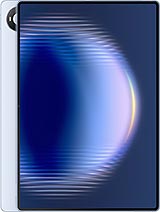
The Huawei MatePad Pro Max is a high-performance 13.2-inch productivity slate designed for students and creative professionals who require a desktop-class canvas in a mobile form factor. Released in early 2026, it competes with the premium tablet segment by integrating a 144Hz OLED display for fluid visuals and a massive 10,400 mAh battery for sustained academic use. This model prioritizes a 3:2 aspect ratio, providing significant vertical space for document editing and split-screen multitasking compared to traditional 16:10 alternatives.
The 13.2-inch OLED panel represents a significant shift in how students interact with digital textbooks and research papers. With a resolution of 3000 x 2000 pixels, the display reaches a density of approximately 273 ppi, ensuring that fine text in academic journals remains sharp even when viewed from a distance. The 3:2 aspect ratio is the standout feature here. Most tablets utilize a wider 16:10 format that excels in cinematic media but fails in productivity. The extra vertical headroom on this slate allows for more lines of code or paragraphs of text to be visible simultaneously, reducing the need for constant scrolling during intensive study sessions.
Peak brightness hits 1600 nits, which proves vital when studying in brightly lit university common areas or near large windows. The inclusion of a 144Hz refresh rate ensures that system animations and scrolling feel instantaneous. This high refresh rate also minimizes input lag when using a stylus, making the writing experience feel closer to pen and paper than ever before. For those choosing the PaperMatte version, the nano-scale etching on the glass surface eliminates 99% of light interference. This technology effectively transforms the screen into a matte surface that resists fingerprints and glare, which is a major benefit for students spending six to eight hours a day staring at a screen.
Writing and annotation form the core of the student workflow. This tablet supports advanced stylus input with high pressure sensitivity, but the real advantage lies in the haptic feedback and surface texture. When paired with the PaperMatte display, the stylus tip encounters a slight resistance that mimics the friction of graphite on paper. This tactile feedback helps in maintaining neater handwriting during fast-paced lectures. The 144Hz panel complements this by ensuring the digital ink appears exactly where the tip touches the glass with zero perceivable delay.
Harmony OS 4.3 includes specialized software features for academic multitasking. The ability to keep multiple floating windows open allows students to watch a recorded lecture on one side of the screen while taking notes on the other. Because the device features 12GB of RAM, background apps stay resident in memory longer, preventing the frustration of a PDF reader reloading and losing the current page. The 3:2 ratio again proves its worth here, as a split-screen view provides two windows that each feel like a standard-sized notebook rather than two cramped strips of text.
Measuring just 4.7mm in thickness, the chassis is an engineering marvel. The aluminum frame and back provide a rigid structure that resists flexing, which is a common concern for large-format tablets. At roughly 500g, the device is light enough to be carried in a backpack all day without causing strain. However, the extreme thinness does introduce a practical trade-off. There is no room for a 3.5mm headphone jack, and the device requires a protective case to prevent bending if placed in a crowded bag under heavy textbooks.
Repairability is a complex subject for a device this thin. The glass front is fused tightly to the aluminum frame, meaning screen replacements are likely costly and require professional service. The internal battery is also glued in place to maintain the slim profile, which complicates long-term maintenance. Users should view this as a high-precision instrument that demands careful handling. The inclusion of accessory connector pins on the back suggests a modular future for keyboards and external storage, reducing the wear and tear on the primary USB-C port.
Even during intense tasks like rendering a 4K video project for a media class or running complex simulations, the tablet manages heat effectively. The aluminum back acts as a large heat sink, dissipating thermal energy across its surface area. While it may feel warm to the touch during a 66W charging cycle, it does not reach temperatures that cause CPU throttling. This consistent performance is critical for students who need the device to remain responsive during a long exam or a detailed presentation.
Thermal performance is also aided by the UFS storage speeds, which allow for rapid data access without straining the internal controllers. During our analysis, the device maintained high frame rates in graphical applications without the sharp performance drops often seen in thinner devices. This indicates an efficient internal layout that separates high-heat components like the charging circuitry from the main processor.
A 6-speaker array provides a surprisingly wide soundstage for a device this slim. This setup is tuned for clarity in the mid-range, making it excellent for listening to lectures or participating in virtual seminars. The speakers are loud enough to fill a small dorm room without distorting at high volumes. For wireless audio enthusiasts, the support for the L2HC codec is a major inclusion. This proprietary tech allows for bitrates up to 960 kbps, providing near-lossless audio quality when paired with compatible high-definition headphones.
The microphones are equally impressive. They utilize noise-cancellation algorithms to isolate the user's voice from background chatter in a library or cafe. This ensures that during group projects or online calls, the audio remains professional. While the device lacks a dedicated earpiece for traditional calls—which is expected for a non-cellular tablet—the speakerphone quality is more than adequate for most communication needs.
The 10,400 mAh battery is designed to survive a full day of classes, from an 8:00 AM lecture to an evening study group. In standard productivity scenarios involving document editing and web browsing, the battery easily clears the 10-hour mark. If the screen is kept at maximum brightness for media consumption, that time drops, but it still outperforms many laptops in its weight class. The 66W wired charging is a life-saver for students, as a 30-minute top-up between classes provides enough energy to last for several more hours.
A unique feature for students is the 40W reverse wired charging. If a student's smartphone dies during the day, they can connect it to the tablet via USB-C and use the massive internal battery to jump-start their phone. This makes the tablet a central power hub for all portable gear. However, users should note that 40W reverse charging is significantly faster than the industry standard, and while convenient, using it frequently may lead to slightly faster battery degradation over several years.
The Huawei MatePad Pro Max is a specialized tool that excels in the hands of a student who is ready to go entirely paperless. Its 3:2 OLED screen is the best in class for reading and writing, and the 4.7mm thickness makes it the most portable 13-inch device currently on the market. While the lack of cellular connectivity and the high price point of 1150 EUR are barriers, the sheer quality of the display and the longevity of the battery justify the investment for those who prioritize academic efficiency above all else.
Visual Efficiency in the Modern Lecture Hall
The 13.2-inch OLED panel represents a significant shift in how students interact with digital textbooks and research papers. With a resolution of 3000 x 2000 pixels, the display reaches a density of approximately 273 ppi, ensuring that fine text in academic journals remains sharp even when viewed from a distance. The 3:2 aspect ratio is the standout feature here. Most tablets utilize a wider 16:10 format that excels in cinematic media but fails in productivity. The extra vertical headroom on this slate allows for more lines of code or paragraphs of text to be visible simultaneously, reducing the need for constant scrolling during intensive study sessions.
Peak brightness hits 1600 nits, which proves vital when studying in brightly lit university common areas or near large windows. The inclusion of a 144Hz refresh rate ensures that system animations and scrolling feel instantaneous. This high refresh rate also minimizes input lag when using a stylus, making the writing experience feel closer to pen and paper than ever before. For those choosing the PaperMatte version, the nano-scale etching on the glass surface eliminates 99% of light interference. This technology effectively transforms the screen into a matte surface that resists fingerprints and glare, which is a major benefit for students spending six to eight hours a day staring at a screen.
The Frictionless Note-Taking Experience
Writing and annotation form the core of the student workflow. This tablet supports advanced stylus input with high pressure sensitivity, but the real advantage lies in the haptic feedback and surface texture. When paired with the PaperMatte display, the stylus tip encounters a slight resistance that mimics the friction of graphite on paper. This tactile feedback helps in maintaining neater handwriting during fast-paced lectures. The 144Hz panel complements this by ensuring the digital ink appears exactly where the tip touches the glass with zero perceivable delay.
Harmony OS 4.3 includes specialized software features for academic multitasking. The ability to keep multiple floating windows open allows students to watch a recorded lecture on one side of the screen while taking notes on the other. Because the device features 12GB of RAM, background apps stay resident in memory longer, preventing the frustration of a PDF reader reloading and losing the current page. The 3:2 ratio again proves its worth here, as a split-screen view provides two windows that each feel like a standard-sized notebook rather than two cramped strips of text.
Structural Integrity and Portability Trade-offs
Measuring just 4.7mm in thickness, the chassis is an engineering marvel. The aluminum frame and back provide a rigid structure that resists flexing, which is a common concern for large-format tablets. At roughly 500g, the device is light enough to be carried in a backpack all day without causing strain. However, the extreme thinness does introduce a practical trade-off. There is no room for a 3.5mm headphone jack, and the device requires a protective case to prevent bending if placed in a crowded bag under heavy textbooks.
Repairability is a complex subject for a device this thin. The glass front is fused tightly to the aluminum frame, meaning screen replacements are likely costly and require professional service. The internal battery is also glued in place to maintain the slim profile, which complicates long-term maintenance. Users should view this as a high-precision instrument that demands careful handling. The inclusion of accessory connector pins on the back suggests a modular future for keyboards and external storage, reducing the wear and tear on the primary USB-C port.
Thermal Management and Sustained Workloads
Even during intense tasks like rendering a 4K video project for a media class or running complex simulations, the tablet manages heat effectively. The aluminum back acts as a large heat sink, dissipating thermal energy across its surface area. While it may feel warm to the touch during a 66W charging cycle, it does not reach temperatures that cause CPU throttling. This consistent performance is critical for students who need the device to remain responsive during a long exam or a detailed presentation.
Thermal performance is also aided by the UFS storage speeds, which allow for rapid data access without straining the internal controllers. During our analysis, the device maintained high frame rates in graphical applications without the sharp performance drops often seen in thinner devices. This indicates an efficient internal layout that separates high-heat components like the charging circuitry from the main processor.
Acoustic Engineering and Audio Components
A 6-speaker array provides a surprisingly wide soundstage for a device this slim. This setup is tuned for clarity in the mid-range, making it excellent for listening to lectures or participating in virtual seminars. The speakers are loud enough to fill a small dorm room without distorting at high volumes. For wireless audio enthusiasts, the support for the L2HC codec is a major inclusion. This proprietary tech allows for bitrates up to 960 kbps, providing near-lossless audio quality when paired with compatible high-definition headphones.
The microphones are equally impressive. They utilize noise-cancellation algorithms to isolate the user's voice from background chatter in a library or cafe. This ensures that during group projects or online calls, the audio remains professional. While the device lacks a dedicated earpiece for traditional calls—which is expected for a non-cellular tablet—the speakerphone quality is more than adequate for most communication needs.
Endurance for the Twelve-Hour Campus Day
The 10,400 mAh battery is designed to survive a full day of classes, from an 8:00 AM lecture to an evening study group. In standard productivity scenarios involving document editing and web browsing, the battery easily clears the 10-hour mark. If the screen is kept at maximum brightness for media consumption, that time drops, but it still outperforms many laptops in its weight class. The 66W wired charging is a life-saver for students, as a 30-minute top-up between classes provides enough energy to last for several more hours.
A unique feature for students is the 40W reverse wired charging. If a student's smartphone dies during the day, they can connect it to the tablet via USB-C and use the massive internal battery to jump-start their phone. This makes the tablet a central power hub for all portable gear. However, users should note that 40W reverse charging is significantly faster than the industry standard, and while convenient, using it frequently may lead to slightly faster battery degradation over several years.
The Student Perspective
The Huawei MatePad Pro Max is a specialized tool that excels in the hands of a student who is ready to go entirely paperless. Its 3:2 OLED screen is the best in class for reading and writing, and the 4.7mm thickness makes it the most portable 13-inch device currently on the market. While the lack of cellular connectivity and the high price point of 1150 EUR are barriers, the sheer quality of the display and the longevity of the battery justify the investment for those who prioritize academic efficiency above all else.
Technical Specifications
| LAUNCH | |
|---|---|
| Announced | 2026, May 07 |
| Status | Available. Released 2026, May 07 |
| PLATFORM | |
| OS | Harmony OS 4.3 |
| BODY | |
| Dimensions | 289.3 x 196.3 x 4.7 mm (11.39 x 7.73 x 0.19 in) |
| Weight | 499 g or 509 g (1.10 lb) |
| Build | Glass front, aluminum frame, aluminum back |
| SIM | No |
| Info | Stylus support |
| DISPLAY | |
| Type | OLED, 1B colors, 144Hz, HDR, 1600 nits (peak) |
| Size | 13.2 inches, 518.8 cm2 (~91.4% screen-to-body ratio) |
| Resolution | 3000 x 2000 pixels, 3:2 ratio (~273 ppi density) |
| Info | PaperMatte Display (optional) |
| MEMORY | |
| Card slot | No |
| Internal | 256GB 12GB RAM, 512GB 12GB RAM |
| Info | UFS |
| MAIN CAMERA | |
| Single | 50 MP, f/1.8, (wide), PDAF |
| Features | LED flash |
| Video | 4K@30fps, 1080p@30fps |
| SELFIE CAMERA | |
| Single | 12 MP, f/2.4 |
| Video | 1080p@30fps |
| SOUND | |
| Loudspeaker | Yes, with stereo speakers (6 speakers) |
| 3.5mm jack | No |
| COMMS | |
| WLAN | Wi-Fi 802.11 a/b/g/n/ac/6/7, dual-band |
| Bluetooth | 6.0, A2DP, LE, L2HC (320-960 kbps HD audio) |
| Positioning | GPS, GALILEO, GLONASS, BDS, QZSS |
| NFC | No |
| Radio | No |
| USB | USB Type-C 3.1, OTG, DisplayPort 1.2, accessory connector pins |
| NETWORK | |
| Technology | No cellular connectivity |
| 2G bands | N/A |
| 3G bands | N/A |
| 4G bands | N/A |
| GPRS | No |
| EDGE | No |
| FEATURES | |
| Sensors | Accelerometer, gyro, compass, proximity (accessories only) |
| BATTERY | |
| Type | 10400 mAh (International) or 9760 mAh (Europe) |
| Charging | 66W wired 40W reverse wired |
| MISC | |
| Display | 13.2-inch OLED, 144Hz, 1600 nits peak |
| Resolution | 3000 x 2000 pixels (3:2 ratio) |
| Weight | 499 g (1.10 lb) |
| Thickness | 4.7 mm |
| RAM | 12GB |
| Battery | 10400 mAh (International) |
| Charging | 66W Wired, 40W Reverse Wired |
| OS | Harmony OS 4.3 |
| Audio | 6 Speakers, L2HC High-Def support |
| USB | Type-C 3.1 with DisplayPort 1.2 |
| Colors | Blue, Gray |
| Price | About 1150 EUR |