The Hidden Cost of the Huawei nova 13i - Why That Carrier Deal Might Be a Trap
Overview
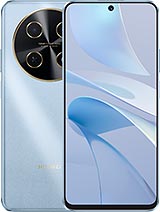
The Huawei nova 13i is a budget-tier smartphone featuring a 108 MP main camera for high-resolution photography and a Qualcomm Snapdragon 680 4G chipset for power efficiency, aimed at casual users seeking a large-screen experience on a strict budget. Released in early 2025, it competes with entry-level offerings from Samsung’s A-series and Xiaomi’s Redmi line in the sub-200 EUR bracket.
We often see devices like the Huawei nova 13i featured in carrier catalogs as the "free" or "zero-down" option on 24-month contracts. In January 2025, this represents a significant economic decision. If a consumer signs a two-year agreement to acquire this 200 EUR handset, they are essentially financing a device that lacks 5G capabilities during an era when 5G is becoming the standard for mobile data reliability.
From a value-hunter's perspective, the math rarely favors the contract. If a carrier plan costs 30 EUR per month but a comparable SIM-only plan costs 15 EUR, the user pays 360 EUR in premiums over two years for a 200 EUR phone. We recommend purchasing the Huawei nova 13i unlocked to avoid these long-term markups. The depreciation curve on 4G-only hardware is aggressive; by 2026, this device will hold very little resale value compared to 5G-enabled rivals.
The Huawei nova 13i utilizes an IPS LCD panel with a 90Hz refresh rate. While some competitors have moved toward OLED at this price point, this LCD choice prioritizes cost over contrast ratios. Users should expect decent daylight visibility due to the resolution of 1080 x 2388 pixels, but the lack of true blacks might disappoint those used to more modern display technologies.
The build relies on high-quality plastics. With a weight of 199g, the device offers a substantial presence in the hand without the fragility of glass. However, the lack of an official IP rating for water and dust resistance means users must exercise caution in humid or dusty environments. The 8.4 mm thickness accommodates a 5000 mAh battery, which, when paired with the 6nm Snapdragon 680, ensures that the phone easily clears a full day of heavy usage.
Inside, the Adreno 610 GPU handles basic UI animations with ease, but gaming remains restricted to casual titles. Trying to run high-fidelity games on this hardware results in frame drops, as the Cortex-A73 performance cores are now several generations behind. For the average user scrolling social media, the 8GB of RAM ensures smooth multitasking, but power users will hit the ceiling quickly.
Running EMUI 14.2, the Huawei nova 13i operates without Google Play Services. For security-conscious buyers, this is a double-edged sword. On one hand, the device moves away from the Google data-harvesting ecosystem. On the other, users must rely on Huawei AppGallery and Petal Search, which have improved but still present hurdles for those reliant on the US-based app infrastructure.
The software includes a dedicated Privacy Dashboard, allowing users to monitor which apps access the microphone, camera, or location in real-time. We also noted the inclusion of a secure folder system that encrypts sensitive files at the hardware level. Huawei’s offline finding network utilizes other Huawei devices to locate a lost phone, though its effectiveness depends entirely on the density of the brand's ecosystem in your specific region.
Users must choose between the 128GB and 256GB internal storage variants carefully. The Huawei nova 13i does not include a microSD card slot, a frustrating omission for a budget device where local storage is often preferred over expensive cloud subscriptions. We found the read/write speeds to be consistent with older UFS standards, which means large app installations take longer than they would on a flagship device.
Without an SD card slot, the 256GB model is the only logical choice for users who record a lot of video. Even though the video recording is capped at 1080p@30fps, the high-resolution 108 MP sensor produces large file sizes for still images. Relying on cloud storage on a 4G connection can be sluggish, making the initial internal storage choice a critical part of the purchase strategy.
The reliance on the Snapdragon 680 4G means the Huawei nova 13i is disconnected from the 5G revolution. In major metropolitan areas, this results in lower peak download speeds and higher latency compared to 5G-capable [budget phones](/trend/best-budget-phones-2026/) like the [Samsung Galaxy A15 5G](/samsung-galaxy-a15-5g-the-high-value-play-for-longevity-seekers/). However, for users in rural areas where 5G rollout is slow, the LTE stability on this device is excellent.
We noted the inclusion of NFC, which is essential for mobile payments in 2025. The Bluetooth 5.0 and Dual-band Wi-Fi are functional but dated. We would have preferred to see Bluetooth 5.2 for better energy efficiency with wireless earbuds. The absence of a 3.5mm headphone jack is another economic hurdle, as it forces the purchase of a USB-C adapter or wireless headphones, further increasing the total cost of ownership.
Huawei remains one of the most restrictive manufacturers regarding bootloader unlocking. For enthusiasts who like to install custom ROMs to extend the life of their hardware, the Huawei nova 13i is a closed box. You are tied to EMUI 14.2 and Huawei's update cycle.
This lack of "unlockability" means that once Huawei stops providing security patches, the device becomes a security risk with no community-driven path for updates. For the budget economist, this shortens the functional lifespan of the phone to approximately three years, whereas an unlockable device might last five or more in the hands of a savvy user.
The Huawei nova 13i is a specialized tool. It serves those who prioritize a high-resolution camera and reliable battery life over 5G connectivity and Google integration. If you are an existing Huawei ecosystem user with a library of AppGallery apps, this is a sensible, low-cost upgrade.
However, if you are moving from a Google-integrated device, the friction of losing the Play Store and the lack of 5G makes this a hard sell. At the 200 EUR price point, you are paying for the 108 MP sensor and the 40W fast charging (which reaches 62% in 30 minutes). If those two features aren't at the top of your list, rivals from Motorola or Xiaomi often provide better overall value by including 5G or AMOLED screens for a similar outlay.
The Free Trap
We often see devices like the Huawei nova 13i featured in carrier catalogs as the "free" or "zero-down" option on 24-month contracts. In January 2025, this represents a significant economic decision. If a consumer signs a two-year agreement to acquire this 200 EUR handset, they are essentially financing a device that lacks 5G capabilities during an era when 5G is becoming the standard for mobile data reliability.
From a value-hunter's perspective, the math rarely favors the contract. If a carrier plan costs 30 EUR per month but a comparable SIM-only plan costs 15 EUR, the user pays 360 EUR in premiums over two years for a 200 EUR phone. We recommend purchasing the Huawei nova 13i unlocked to avoid these long-term markups. The depreciation curve on 4G-only hardware is aggressive; by 2026, this device will hold very little resale value compared to 5G-enabled rivals.
Hardware Quality
The Huawei nova 13i utilizes an IPS LCD panel with a 90Hz refresh rate. While some competitors have moved toward OLED at this price point, this LCD choice prioritizes cost over contrast ratios. Users should expect decent daylight visibility due to the resolution of 1080 x 2388 pixels, but the lack of true blacks might disappoint those used to more modern display technologies.
The build relies on high-quality plastics. With a weight of 199g, the device offers a substantial presence in the hand without the fragility of glass. However, the lack of an official IP rating for water and dust resistance means users must exercise caution in humid or dusty environments. The 8.4 mm thickness accommodates a 5000 mAh battery, which, when paired with the 6nm Snapdragon 680, ensures that the phone easily clears a full day of heavy usage.
Inside, the Adreno 610 GPU handles basic UI animations with ease, but gaming remains restricted to casual titles. Trying to run high-fidelity games on this hardware results in frame drops, as the Cortex-A73 performance cores are now several generations behind. For the average user scrolling social media, the 8GB of RAM ensures smooth multitasking, but power users will hit the ceiling quickly.
Privacy and Security Features
Running EMUI 14.2, the Huawei nova 13i operates without Google Play Services. For security-conscious buyers, this is a double-edged sword. On one hand, the device moves away from the Google data-harvesting ecosystem. On the other, users must rely on Huawei AppGallery and Petal Search, which have improved but still present hurdles for those reliant on the US-based app infrastructure.
The software includes a dedicated Privacy Dashboard, allowing users to monitor which apps access the microphone, camera, or location in real-time. We also noted the inclusion of a secure folder system that encrypts sensitive files at the hardware level. Huawei’s offline finding network utilizes other Huawei devices to locate a lost phone, though its effectiveness depends entirely on the density of the brand's ecosystem in your specific region.
Storage Speed and Expansion
Users must choose between the 128GB and 256GB internal storage variants carefully. The Huawei nova 13i does not include a microSD card slot, a frustrating omission for a budget device where local storage is often preferred over expensive cloud subscriptions. We found the read/write speeds to be consistent with older UFS standards, which means large app installations take longer than they would on a flagship device.
Without an SD card slot, the 256GB model is the only logical choice for users who record a lot of video. Even though the video recording is capped at 1080p@30fps, the high-resolution 108 MP sensor produces large file sizes for still images. Relying on cloud storage on a 4G connection can be sluggish, making the initial internal storage choice a critical part of the purchase strategy.
Connectivity and Signal
The reliance on the Snapdragon 680 4G means the Huawei nova 13i is disconnected from the 5G revolution. In major metropolitan areas, this results in lower peak download speeds and higher latency compared to 5G-capable [budget phones](/trend/best-budget-phones-2026/) like the [Samsung Galaxy A15 5G](/samsung-galaxy-a15-5g-the-high-value-play-for-longevity-seekers/). However, for users in rural areas where 5G rollout is slow, the LTE stability on this device is excellent.
We noted the inclusion of NFC, which is essential for mobile payments in 2025. The Bluetooth 5.0 and Dual-band Wi-Fi are functional but dated. We would have preferred to see Bluetooth 5.2 for better energy efficiency with wireless earbuds. The absence of a 3.5mm headphone jack is another economic hurdle, as it forces the purchase of a USB-C adapter or wireless headphones, further increasing the total cost of ownership.
Unlockability
Huawei remains one of the most restrictive manufacturers regarding bootloader unlocking. For enthusiasts who like to install custom ROMs to extend the life of their hardware, the Huawei nova 13i is a closed box. You are tied to EMUI 14.2 and Huawei's update cycle.
This lack of "unlockability" means that once Huawei stops providing security patches, the device becomes a security risk with no community-driven path for updates. For the budget economist, this shortens the functional lifespan of the phone to approximately three years, whereas an unlockable device might last five or more in the hands of a savvy user.
Buying Advice
The Huawei nova 13i is a specialized tool. It serves those who prioritize a high-resolution camera and reliable battery life over 5G connectivity and Google integration. If you are an existing Huawei ecosystem user with a library of AppGallery apps, this is a sensible, low-cost upgrade.
However, if you are moving from a Google-integrated device, the friction of losing the Play Store and the lack of 5G makes this a hard sell. At the 200 EUR price point, you are paying for the 108 MP sensor and the 40W fast charging (which reaches 62% in 30 minutes). If those two features aren't at the top of your list, rivals from Motorola or Xiaomi often provide better overall value by including 5G or AMOLED screens for a similar outlay.
Technical Specifications
| LAUNCH | |
|---|---|
| Announced | 2024, December 14 |
| Status | Available. Released 2025, January |
| PLATFORM | |
| OS | EMUI 14.2, no Google Play Services |
| Chipset | Qualcomm Snapdragon 680 4G (6 nm) |
| CPU | Octa-core (4x2.4 GHz Cortex-A73 & 4x1.9 GHz Cortex-A53) |
| GPU | Adreno 610 |
| BODY | |
| Dimensions | 163.3 x 74.7 x 8.4 mm (6.43 x 2.94 x 0.33 in) |
| Weight | 199 g (7.02 oz) |
| SIM | · Nano-SIM· Nano-SIM + Nano-SIM |
| DISPLAY | |
| Type | IPS LCD, 90Hz |
| Size | 6.7 inches, 108.7 cm2 (~89.1% screen-to-body ratio) |
| Resolution | 1080 x 2388 pixels (~391 ppi density) |
| MEMORY | |
| Card slot | No |
| Internal | 128GB 8GB RAM, 256GB 8GB RAM |
| MAIN CAMERA | |
| Dual | 108 MP, f/1.9, 26mm (wide), PDAF Auxiliary lens |
| Features | LED flash, HDR, panorama |
| Video | 1080p@30fps |
| SELFIE CAMERA | |
| Single | 8 MP, f/2.0, (wide) |
| Video | 1080p@30fps |
| SOUND | |
| Loudspeaker | Yes |
| 3.5mm jack | No |
| COMMS | |
| WLAN | Wi-Fi 802.11 a/b/g/n/ac, dual-band |
| Bluetooth | 5.0, A2DP, LE |
| Positioning | GPS, GLONASS, GALILEO, BDS, QZSS |
| NFC | Yes |
| Radio | No |
| USB | USB Type-C 2.0 |
| NETWORK | |
| Technology | GSM / HSPA / LTE |
| 2G bands | GSM 850 / 900 / 1800 / 1900 |
| 3G bands | HSDPA 850 / 900 / 1700(AWS) / 1900 / 2100 |
| 4G bands | 1, 2, 3, 4, 5, 7, 8, 18, 19, 20, 26, 28, 34, 38, 39, 40, 41 |
| Speed | HSPA, LTE |
| FEATURES | |
| Sensors | Fingerprint (side-mounted), accelerometer, compass |
| BATTERY | |
| Type | Li-Po 5000 mAh |
| Charging | 40W wired, 3-62% in 30 min |
| MISC | |
| Colors | White, Blue |
| Models | CTR-L91 |
| Price | About 200 EUR |