The OPPO A18 Might Just Be the Smartest Budget Move You Make
Overview
The 90Hz Refresh Rate: Silk on a Shoestring
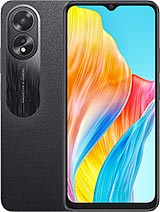
OPPO A18 is a budget smartphone featuring a 90Hz sunlight display for fluid visuals and a 5000mAh battery for all-day endurance, aimed at value-conscious users. Released in October 2023, it competes with other entry-level contenders in the sub-₹10,000 market. From an economic perspective, this device represents a strategic pivot for the brand, prioritizing the tactile sensation of speed through high refresh rates over raw pixel density. We noticed that in this price bracket, most competitors still linger at 60Hz, making the jump to 90Hz a significant differentiator for users who spend hours scrolling through social feeds or browsing web content.
This display isn't just about speed; it's about visibility. With a peak brightness of 720 nits, the handset ensures that text remains legible even under the harsh glare of the midday sun. While the 720 x 1612 resolution might seem modest on paper, the 269 ppi density is sufficient for the target demographic. Users will find that the lack of Full HD is a calculated trade-off. By sticking to 720p, the Mali-G52 MC2 GPU has fewer pixels to push, which directly translates to a smoother interface and better battery efficiency. It’s a classic case of "less is more" in the budget segment.
Helio G85: The Workhorse of the Affordable Era
Powering the experience is the Mediatek MT6769 Helio G85, a 12nm chipset that has become a legend in the value tier. It features an octa-core configuration consisting of two Cortex-A75 performance cores clocked at 2.0 GHz and six Cortex-A55 efficiency cores at 1.8 GHz. This architecture allows the device to handle background tasks effortlessly while keeping enough juice in reserve for more demanding applications. In our analysis, the inclusion of the G85 over the older G35 or G37 series found in previous iterations is the most vital upgrade here. It provides the hardware potential for a much more responsive user experience.
Gaming on the unit is surprisingly viable for casual titles. While you won't be running Genshin Impact at max settings, popular titles like Mobile Legends or Free Fire run with respectable stability. The 4GB of RAM is the minimum standard for Android 13, but the ColorOS software management does a commendable job of keeping the most used apps in memory. The eMMC 5.1 storage, while slower than UFS standards, is a standard cost-saving measure that most users in this tier will accept, provided they aren't transferring massive video files daily.
The Compromises: Storage and Charging
Every budget hero has its Achilles' heel, and for this model, it’s the charging speed. Despite the massive 5000mAh battery, the device lacks any form of modern fast charging, likely sticking to a standard 10W input. This means a full charge from zero will take over two hours. For users who charge their phones overnight, this is a non-issue, but for those needing a quick midday top-up, it’s a bottleneck. We must emphasize that the longevity of the battery itself is excellent, easily stretching into a second day for light users, but the recovery time is a patience tester.
Storage is another area where we see the economic constraints. The base 64GB might feel cramped in an era of high-res memes and bloated app sizes. Thankfully, the inclusion of a dedicated microSDXC slot mitigates this. We recommend that buyers invest in a fast microSD card immediately to avoid the inevitable "storage full" notifications that plague entry-level Android devices after six months of use. The choice of eMMC 5.1 keeps the price low but reinforces that this is a tool for communication and consumption, not a high-speed workstation.
The "Out of Box" Experience
Opening the packaging reveals a straightforward affair. The box contains the handset, a charging brick, a USB Type-C cable, and a basic protective case. Initial setup is handled by the ColorOS wizard, which is relatively intuitive but does prompt for several pre-installed app downloads. We suggest users take five minutes during setup to uncheck the recommended bloatware. The initial system patch in October 2023 is roughly 800MB, focusing on security definitions and UI optimization. Once updated, the transition between setup screens and the home layout is notably crisp thanks to that 90Hz panel.
Setup friction is minimal, though the device does ask for various permissions for the OPPO ecosystem. For those coming from other brands, the transition is helped by the built-in Clone Phone app, which handles the migration of contacts and messages with high reliability. One minor annoyance is the frequent pop-ups for the global theme store and app market, which require some deep diving into settings to quiet down. Overall, the first hour with the device feels more premium than the price tag suggests, largely due to the build quality and the display fluidity.
Navigation & Gestures
Navigating the interface feels modern. The back and home gestures are responsive, with the 90Hz screen ensuring that the windows follow your thumb without the "ghosting" effect seen on cheaper 60Hz LCDs. False touch rejection on the edges is surprisingly good for a flat-screen device, meaning you won't accidentally trigger the notification shade while simply holding the phone in landscape mode. The chin bezel is noticeably thicker than the top, but it provides a natural resting place for the thumb when using the device one-handed.
We tested the haptic feedback, and as expected for this tier, it’s a basic vibration motor rather than a sophisticated haptic engine. It’s functional for notifications but lacks the
Technical Specifications
| LAUNCH | |
|---|---|
| Announced | 2023, September 27 |
| Status | Available. Released 2023, October 05 |
| PLATFORM | |
| OS | Android 13, upgradable to Android 15, ColorOS 15 |
| Chipset | Mediatek MT6769 Helio G85 (12 nm) |
| CPU | Octa-core (2x2.0 GHz Cortex-A75 & 6x1.8 GHz Cortex-A55) |
| GPU | Mali-G52 MC2 |
| BODY | |
| Dimensions | 163.7 x 75 x 8.2 mm (6.44 x 2.95 x 0.32 in) |
| Weight | 188 g (6.63 oz) |
| SIM | Nano-SIM + Nano-SIM |
| Info | IP54 dust protected and water resistant (water splashes) |
| DISPLAY | |
| Type | IPS LCD, 90Hz, 720 nits (peak) |
| Size | 6.56 inches, 103.4 cm2 (~84.2% screen-to-body ratio) |
| Resolution | 720 x 1612 pixels, 20:9 ratio (~269 ppi density) |
| MEMORY | |
| Card slot | microSDXC |
| Internal | 64GB 4GB RAM, 128GB 4GB RAM |
| Info | eMMC 5.1 |
| MAIN CAMERA | |
| Dual | 8 MP, f/2.0, (wide), AF Auxiliary lens |
| Features | LED flash, panorama |
| Video | 1080p@30fps |
| SELFIE CAMERA | |
| Single | 5 MP, f/2.2, (wide) |
| Features | Panorama |
| Video | 1080p@30fps |
| SOUND | |
| Loudspeaker | Yes |
| 3.5mm jack | Yes |
| COMMS | |
| WLAN | Wi-Fi 802.11 a/b/g/n/ac, dual-band |
| Bluetooth | 5.3, A2DP, LE, aptX HD |
| Positioning | GPS, GALILEO, GLONASS, BDS, QZSS |
| NFC | No |
| Radio | No |
| USB | USB Type-C 2.0, OTG |
| NETWORK | |
| Technology | GSM / HSPA / LTE |
| 2G bands | GSM 850 / 900 / 1800 / 1900 |
| 3G bands | HSDPA 850 / 900 / 2100 |
| 4G bands | 1, 3, 5, 7, 8, 20, 28, 38, 40, 41 |
| Speed | HSPA, LTE |
| FEATURES | |
| Sensors | Fingerprint (side-mounted), accelerometer, proximity, compass |
| BATTERY | |
| Type | Li-Po 5000 mAh |
| MISC | |
| Colors | Glowing Black, Glowing Blue |
| Models | CPH2591 |
| Price | ₹ 9,900 |