The Rugged Bargain That Redefines Utility - Doogee Blade 10 Energy Value Logic
Overview
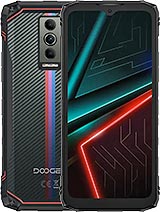
Doogee Blade 10 Energy is a budget rugged smartphone featuring a 6150 mAh high-capacity battery for multi-day endurance and IP69K ingress protection for extreme environment resilience, aimed at field professionals and value-conscious secondary device users. Released in 2025, it enters a market where durability often demands a high premium, yet this handset attempts to bridge the gap between extreme toughness and a sub-200 EUR price point.
Most consumers view smartphones as primary hubs for entertainment and social media. However, a significant demographic requires a device that prioritizes survival over aesthetics. This model fills that niche perfectly. It isn't trying to replace a flagship; it acts as an insurance policy. Whether kept in a glovebox for emergencies or used on a construction site where a glass-backed luxury phone would meet its demise within hours, the value proposition here is clear. We see this as a tool first and a phone second.
The inclusion of a Unisoc T7250 (12 nm) chipset suggests a focus on energy efficiency rather than raw power. This choice keeps the cost low while providing enough overhead for essential tasks like GPS navigation, messaging, and basic web browsing. In our economic analysis, the cost-per-day of owning this handset is significantly lower than more fragile alternatives, especially when factoring in the lack of a need for expensive protective cases or insurance plans.
The 6150 mAh battery is the undisputed centerpiece of this hardware package. In an era where 5,000 mAh has become the standard, the extra 20% capacity provides a critical safety margin. According to the EU Label data, it boasts a 50:50h endurance rating, which translates to nearly three days of moderate usage. This is particularly vital for those working in remote areas without frequent access to power outlets.
However, the 10W wired charging is a significant bottleneck that users must plan around. While the battery lasts for days, replenishing it from zero to 100% takes nearly six hours. From a value hunter's perspective, this is a calculated trade-off. By omitting expensive fast-charging circuitry, the manufacturer keeps the entry price low. The battery is also rated for 1000 cycles, meaning it maintains 80% health far longer than standard budget cells. This longevity ensures the device remains functional for years, maximizing the initial investment.
To understand how this rugged slate performs, imagine a typical 24-hour cycle in a demanding environment. At 06:00, the alarm triggers. The loudspeaker is surprisingly punchy, ensuring you don't sleep through it. By 08:00, you are using GPS for a commute. The 90Hz IPS LCD provides smooth scrolling through maps, even if the 720 x 1612 resolution lacks the crispness of a 1080p panel. At a density of ~269 ppi, text is legible but lacks fine detail.
By midday, the device has likely been exposed to dust or moisture. The IP68/IP69K rating means it handles high-pressure water jets and total immersion without concern. During a lunch break, basic social media browsing feels responsive enough, though the 4GB RAM limits how many apps can stay open in the background. By 20:00, after a full day of field use, the battery typically sits at 65-70%. This isn't just a phone; it is a reliable companion that doesn't demand constant attention to its power levels.
No budget device escapes compromises. The 128GB internal storage is generous, and the dedicated microSDXC slot allows for easy expansion, but the 4GB RAM is the primary performance ceiling. In 2026, Android 15 demands more resources. Users will notice a slight delay when switching between heavy apps like Google Earth and a high-resolution camera interface. This isn't a gaming machine; the Mali-G57 MP1 GPU is designed for UI rendering and light tasks, not 3D rendering.
Furthermore, the camera system is purely utilitarian. The 16 MP main sensor provides the hardware potential for decent daytime shots of work documents or site progress, but it lacks the sophisticated ISP found in more expensive chipsets. The 8 MP selfie camera is adequate for video calls, but the 720p video limit feels dated even for a budget device. If your work requires high-fidelity photographic evidence, this might not be the primary tool for the job.
Security is handled by a side-mounted fingerprint sensor. This is a pragmatic choice for a rugged device. In-display sensors often struggle with screen protectors or dirty hands. The physical sensor provides a tactile target and generally registers faster in outdoor conditions. The inclusion of NFC is a welcome surprise at this price point, allowing for contactless payments or secure site access without needing to pull out a wallet in a messy environment.
Software-wise, running Android 15 out of the box is a major plus. It ensures compatibility with modern security protocols and app versions for the next several years. While we don't expect a rigorous update schedule from a niche brand, starting with the latest OS version extends the relevant lifespan of the handset significantly.
The build quality is where the value truly shines. With MIL-STD-810H compliance and an EU Label Class A rating for free falls (surviving up to 270 falls), this device is built for structural stress. The screen is protected by Mohs level 5 glass, offering better scratch resistance than standard soda-lime glass found in many budget phones. At 295 grams, the weight is substantial. It feels more like a piece of equipment than a lifestyle accessory.
This heft is a byproduct of the reinforced chassis and the massive battery. While it may feel bulky in a suit pocket, it feels secure in a utility vest or a backpack. The 10.7 mm thickness is actually relatively slim for a rugged phone, making it more pocketable than some of the older "brick" designs in this category.
Economically, rugged phones like this don't hold high resale value compared to mainstream brands. However, the goal here isn't to flip the phone in 12 months. The 1000-cycle battery and Class B repairability rating suggest a device intended to be used until it literally stops working. For an upfront cost of approximately 200 EUR, if the device lasts three years, the cost of ownership is less than 6 EUR per month. That is an unbeatable value for a piece of hardware that can survive a drop onto concrete or a dip in a puddle.
Ultimately, the Doogee Blade 10 Energy is a masterclass in prioritized engineering. It ignores the trends of ultra-thin bezels and high-resolution cameras to focus on what matters for its target audience: battery life and physical resilience. It is the definitive choice for anyone who needs a phone that works when the environment gets tough and the power goes out.
The Logic of the Secondary Slate
Most consumers view smartphones as primary hubs for entertainment and social media. However, a significant demographic requires a device that prioritizes survival over aesthetics. This model fills that niche perfectly. It isn't trying to replace a flagship; it acts as an insurance policy. Whether kept in a glovebox for emergencies or used on a construction site where a glass-backed luxury phone would meet its demise within hours, the value proposition here is clear. We see this as a tool first and a phone second.
The inclusion of a Unisoc T7250 (12 nm) chipset suggests a focus on energy efficiency rather than raw power. This choice keeps the cost low while providing enough overhead for essential tasks like GPS navigation, messaging, and basic web browsing. In our economic analysis, the cost-per-day of owning this handset is significantly lower than more fragile alternatives, especially when factoring in the lack of a need for expensive protective cases or insurance plans.
Endurance over Elegance
The 6150 mAh battery is the undisputed centerpiece of this hardware package. In an era where 5,000 mAh has become the standard, the extra 20% capacity provides a critical safety margin. According to the EU Label data, it boasts a 50:50h endurance rating, which translates to nearly three days of moderate usage. This is particularly vital for those working in remote areas without frequent access to power outlets.
However, the 10W wired charging is a significant bottleneck that users must plan around. While the battery lasts for days, replenishing it from zero to 100% takes nearly six hours. From a value hunter's perspective, this is a calculated trade-off. By omitting expensive fast-charging circuitry, the manufacturer keeps the entry price low. The battery is also rated for 1000 cycles, meaning it maintains 80% health far longer than standard budget cells. This longevity ensures the device remains functional for years, maximizing the initial investment.
The Twenty-Four Hour Reality Check
To understand how this rugged slate performs, imagine a typical 24-hour cycle in a demanding environment. At 06:00, the alarm triggers. The loudspeaker is surprisingly punchy, ensuring you don't sleep through it. By 08:00, you are using GPS for a commute. The 90Hz IPS LCD provides smooth scrolling through maps, even if the 720 x 1612 resolution lacks the crispness of a 1080p panel. At a density of ~269 ppi, text is legible but lacks fine detail.
By midday, the device has likely been exposed to dust or moisture. The IP68/IP69K rating means it handles high-pressure water jets and total immersion without concern. During a lunch break, basic social media browsing feels responsive enough, though the 4GB RAM limits how many apps can stay open in the background. By 20:00, after a full day of field use, the battery typically sits at 65-70%. This isn't just a phone; it is a reliable companion that doesn't demand constant attention to its power levels.
Facing the Deal Breakers
No budget device escapes compromises. The 128GB internal storage is generous, and the dedicated microSDXC slot allows for easy expansion, but the 4GB RAM is the primary performance ceiling. In 2026, Android 15 demands more resources. Users will notice a slight delay when switching between heavy apps like Google Earth and a high-resolution camera interface. This isn't a gaming machine; the Mali-G57 MP1 GPU is designed for UI rendering and light tasks, not 3D rendering.
Furthermore, the camera system is purely utilitarian. The 16 MP main sensor provides the hardware potential for decent daytime shots of work documents or site progress, but it lacks the sophisticated ISP found in more expensive chipsets. The 8 MP selfie camera is adequate for video calls, but the 720p video limit feels dated even for a budget device. If your work requires high-fidelity photographic evidence, this might not be the primary tool for the job.
Biometrics and Field Security
Security is handled by a side-mounted fingerprint sensor. This is a pragmatic choice for a rugged device. In-display sensors often struggle with screen protectors or dirty hands. The physical sensor provides a tactile target and generally registers faster in outdoor conditions. The inclusion of NFC is a welcome surprise at this price point, allowing for contactless payments or secure site access without needing to pull out a wallet in a messy environment.
Software-wise, running Android 15 out of the box is a major plus. It ensures compatibility with modern security protocols and app versions for the next several years. While we don't expect a rigorous update schedule from a niche brand, starting with the latest OS version extends the relevant lifespan of the handset significantly.
Industrial Grade Durability
The build quality is where the value truly shines. With MIL-STD-810H compliance and an EU Label Class A rating for free falls (surviving up to 270 falls), this device is built for structural stress. The screen is protected by Mohs level 5 glass, offering better scratch resistance than standard soda-lime glass found in many budget phones. At 295 grams, the weight is substantial. It feels more like a piece of equipment than a lifestyle accessory.
This heft is a byproduct of the reinforced chassis and the massive battery. While it may feel bulky in a suit pocket, it feels secure in a utility vest or a backpack. The 10.7 mm thickness is actually relatively slim for a rugged phone, making it more pocketable than some of the older "brick" designs in this category.
The Resale and Longevity Equation
Economically, rugged phones like this don't hold high resale value compared to mainstream brands. However, the goal here isn't to flip the phone in 12 months. The 1000-cycle battery and Class B repairability rating suggest a device intended to be used until it literally stops working. For an upfront cost of approximately 200 EUR, if the device lasts three years, the cost of ownership is less than 6 EUR per month. That is an unbeatable value for a piece of hardware that can survive a drop onto concrete or a dip in a puddle.
Ultimately, the Doogee Blade 10 Energy is a masterclass in prioritized engineering. It ignores the trends of ultra-thin bezels and high-resolution cameras to focus on what matters for its target audience: battery life and physical resilience. It is the definitive choice for anyone who needs a phone that works when the environment gets tough and the power goes out.
Technical Specifications
| LAUNCH | |
|---|---|
| Announced | 2025 |
| Status | Available. Released 2025 |
| PLATFORM | |
| OS | Android 15 |
| Chipset | Unisoc T7250 (12 nm) |
| CPU | Octa-core (2x1.8 GHz Cortex-A75 & 6x1.6 GHz Cortex-A55) |
| GPU | Mali-G57 MP1 |
| BODY | |
| Dimensions | 172.7 x 80 x 10.7 mm (6.80 x 3.15 x 0.42 in) |
| Weight | 295 g (10.41 oz) |
| SIM | Nano-SIM + Nano-SIM |
| Info | IP68/IP69K dust tight and water resistant (high pressure water jets; immersible up to 1.5m for 30 min) MIL-STD-810H compliant |
| DISPLAY | |
| Type | IPS LCD, 90Hz |
| Size | 6.56 inches, 103.4 cm2 (~74.8% screen-to-body ratio) |
| Resolution | 720 x 1612 pixels, 20:9 ratio (~269 ppi density) |
| Protection | Mohs level 5 |
| MEMORY | |
| Card slot | microSDXC (dedicated slot) |
| Internal | 128GB 4GB RAM |
| MAIN CAMERA | |
| Single | 16 MP, f/2.2, (wide), AF |
| Features | LED flash |
| Video | 1080p@30fps |
| SELFIE CAMERA | |
| Single | 8 MP, f/2.2, (wide) |
| Video | 720p@30fps |
| SOUND | |
| Loudspeaker | Yes |
| 3.5mm jack | No |
| COMMS | |
| WLAN | Wi-Fi 802.11 a/b/g/n/ac, dual-band |
| Bluetooth | 5.0, A2DP, LE |
| Positioning | GPS, GLONASS, BDS, GALILEO |
| NFC | Yes |
| Radio | FM radio |
| USB | USB Type-C |
| NETWORK | |
| Technology | GSM / HSPA / LTE |
| 2G bands | GSM 850 / 900 / 1800 / 1900 |
| 3G bands | HSDPA 850 / 900 / 1700(AWS) / 1900 / 2100 |
| 4G bands | 1, 2, 3, 4, 5, 7, 8, 18, 19, 20, 25, 26, 28, 34, 38, 39, 40, 41, 66 |
| Speed | HSPA, LTE |
| FEATURES | |
| Sensors | Fingerprint (side-mounted), accelerometer, proximity, compass |
| BATTERY | |
| Type | 6150 mAh |
| Charging | 10W wired |
| MISC | |
| Battery | 6150 mAh (10W wired charging) |
| Durability | IP68/IP69K, MIL-STD-810H, 270-fall survival |
| Display | 6.56-inch IPS LCD, 90Hz, 720 x 1612 pixels |
| Processor | Unisoc T7250 (12 nm), Octa-core |
| Memory | 128GB Internal Storage, 4GB RAM |
| OS | Android 15 |
| Main Camera | 16 MP, f/2.2, AF with LED flash |
| Protection | Mohs level 5 display glass |
| Weight | 295 g (10.41 oz) |
| Colors | Green, Red, Red/Blue |
| Price | About 200 EUR |
| EU LABEL | |
| Energy | Class B |
| Battery | 50:50h endurance, 1000 cycles |
| Free fall | Class A (270 falls) |
| Repairability | Class B |