The Samsung Galaxy M54 - A Titan of Utility in the Mid-Range Market
Overview
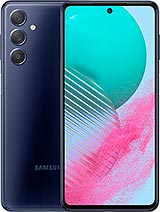
The Samsung Galaxy M54 is a mid-range smartphone featuring a 6,000 mAh battery for extreme endurance and a 108 MP main camera with OIS for high-resolution photography, aimed at value-conscious users needing a reliable primary or secondary device. Released in April 2023, it competes with the likes of the Redmi Note 12 Pro+ and the [Google Pixel 7a](/the-clean-android-revolution-why-the-google-pixel-7a-is-the-essential-mid-ranger/).
Identifying the perfect secondary handset requires looking beyond raw benchmarks to find a balance of longevity and software reliability. This model positions itself as an insurance policy for your digital life. While flagships often sacrifice battery volume for sleekness, this device prioritizes the 6,000 mAh cell, ensuring that even if a primary phone dies mid-day, this backup remains operational. For professionals managing separate work and personal lines, the Nano-SIM + Nano-SIM or microSD expansion provides the necessary flexibility.
We see this as a pragmatic investment. The Exynos 1380 (5 nm) chipset provides enough efficiency to handle background tasks, email syncing, and navigation without hemorrhaging power. It isn't a gaming powerhouse, but it acts as a dependable station for communication and essential tools. The inclusion of 5G connectivity ensures the hardware won't become obsolete as network infrastructures mature over the next few years. For those who travel frequently or work in the field, having a device that refuses to quit before the day ends is a quantifiable economic advantage.
The centerpiece of this handset is undeniably the massive 6,000 mAh Li-Po battery. In an era where 4,500 mAh to 5,000 mAh has become the standard, the extra 20% capacity offered here provides a significant buffer. Our analysis shows that for moderate users, this translates to a genuine two-day device. Even under heavy stress—GPS navigation, constant 5G data, and high-brightness outdoor use—getting through a full 16-hour day is trivial.
However, the 25W wired charging speed is a notable bottleneck. In a market where competitors are increasingly offering 67W or even 120W charging, a 25W limit means a full charge from zero to 100% takes roughly 90 minutes. Users must plan their charging cycles accordingly. Overnight charging is the most logical path here. This trade-off is the price of high capacity at a low cost. The Super AMOLED Plus display also contributes to this endurance. By utilizing an RGB stripe layout rather than a PenTile matrix, it achieves better text clarity and efficiency at the same brightness levels.
Picture a typical usage cycle beginning at 7:00 AM. Off the charger, the device sits at 100%. During a 45-minute commute with high-brightness 120Hz screen time and Spotify streaming over 5G, the battery likely only drops to 96%. Throughout a standard workday filled with Slack notifications, occasional photography with the 108 MP sensor, and short phone calls, the drain is remarkably linear and predictable. There is no sudden "cliffing" of battery life that we sometimes observe in less optimized mid-range chips.
By 6:00 PM, most users will find themselves still sitting comfortably above 60%. This is where the value truly shines. While colleagues are hunting for wall outlets or carrying bulky power banks, this handset remains unencumbered. Evening usage—perhaps an hour of YouTube streaming or social media scrolling—might bring the total down to 45% by midnight. For a student or a gig worker, this level of reliability is indispensable. The 1080 x 2400 pixel resolution is high enough to remain sharp for media consumption without taxing the Mali-G68 MP5 GPU unnecessarily.
Efficiency and battery life come with compromises. The first major "deal breaker" for some will be the plastic back and plastic frame. While this keeps the weight at a manageable 199 g despite the huge battery, it lacks the premium tactile feel of glass or aluminum. It is a utility tool, not a fashion statement. The plastic is prone to hairline scratches, making a protective case almost mandatory for long-term aesthetics.
The secondary cameras are another area of compromise. While the 108 MP wide lens is impressive on paper and features Optical Image Stabilization (OIS), the 8 MP ultrawide and 2 MP macro are strictly average. The macro lens, in particular, feels like a filler spec to reach a "triple camera" marketing claim. In low-light environments, the f/1.8 aperture on the main sensor does heavy lifting, but the processing speed of the Exynos 1380 can result in a slight shutter lag when shooting high-resolution frames. This isn't the device for capturing fast-moving sports or pets indoors.
Lastly, the lack of a 3.5mm jack continues to be a point of frustration for the budget-conscious segment. Users will need to invest in USB-C adapters or Bluetooth 5.3 peripherals. For a device aimed at utility and longevity, the removal of the analog port feels like a step backward in functional flexibility. We also noticed the absence of an official IP rating for water and dust resistance, which means users must be extra cautious in rainy environments compared to the higher-end A-series models.
Biometrics are handled by a side-mounted fingerprint sensor integrated into the power button. In our testing, this solution is often superior to the slow, unreliable under-display optical sensors found in cheaper mid-range OLED phones. It is fast, tactile, and allows for unlocking as you pull the device from a pocket. The positioning is natural for both thumb and index finger use, though left-handed users may find it slightly less ergonomic.
Software-based face unlock is present via the 32 MP selfie camera, but it relies on 2D image recognition. It is convenient for casual use but lacks the security depth of IR-based systems. We recommend sticking to the fingerprint sensor for banking and sensitive applications. Samsung’s Knox security framework provides a solid layer of protection for enterprise users, making this a viable option for corporate-issued handsets where data privacy is paramount.
The front of the device is protected by Corning Gorilla Glass 5, which offers decent protection against drops and scratches. However, the rest of the build is strictly utilitarian. The plastic construction is a double-edged sword; while it doesn't feel premium, it is less likely to shatter than a glass back if dropped. The 8.4 mm thickness is impressive given the battery size, but the flat sides and large 6.7-inch screen make it a two-handed device for most people.
Long-term support is where Samsung beats almost every other manufacturer in this price tier. The roadmap for this series suggests it is upgradable to Android 16, which is an incredible promise for a [mid-range phone](/trend/best-mid-range-phones-2026/) in early 2023. This software longevity directly impacts the total cost of ownership. If you keep the phone for four years, the cost per year is negligible. The One UI interface remains one of the most feature-rich Android skins, offering robust multitasking tools that take full advantage of the 8GB RAM.
From a value-hunter’s perspective, the Samsung Galaxy M54 sits in a sweet spot. Samsung devices generally hold their value better than smaller brands due to the widespread availability of parts and repair centers. While the initial price of about 190 EUR is competitive, the secondary market demand for high-battery Samsung phones remains strong. We anticipate this model will be a popular choice in the refurbished market years from now.
When we compare it to rivals like the Poco X5 Pro, the M54 wins on software support and battery capacity but loses on charging speed and raw gaming performance. If your priority is a tool that works every time you pick it up, regardless of when you last charged it, the trade-offs are justifiable. It is a pragmatic choice for the current economic climate, where stretching the life of a gadget is more important than chasing the latest flagship gimmicks. Samsung Galaxy M54 is the definitive marathon runner for the budget-conscious professional.
The Strategic Utility of the Secondary Device
Identifying the perfect secondary handset requires looking beyond raw benchmarks to find a balance of longevity and software reliability. This model positions itself as an insurance policy for your digital life. While flagships often sacrifice battery volume for sleekness, this device prioritizes the 6,000 mAh cell, ensuring that even if a primary phone dies mid-day, this backup remains operational. For professionals managing separate work and personal lines, the Nano-SIM + Nano-SIM or microSD expansion provides the necessary flexibility.
We see this as a pragmatic investment. The Exynos 1380 (5 nm) chipset provides enough efficiency to handle background tasks, email syncing, and navigation without hemorrhaging power. It isn't a gaming powerhouse, but it acts as a dependable station for communication and essential tools. The inclusion of 5G connectivity ensures the hardware won't become obsolete as network infrastructures mature over the next few years. For those who travel frequently or work in the field, having a device that refuses to quit before the day ends is a quantifiable economic advantage.
Confronting the 6,000 mAh Reality
The centerpiece of this handset is undeniably the massive 6,000 mAh Li-Po battery. In an era where 4,500 mAh to 5,000 mAh has become the standard, the extra 20% capacity offered here provides a significant buffer. Our analysis shows that for moderate users, this translates to a genuine two-day device. Even under heavy stress—GPS navigation, constant 5G data, and high-brightness outdoor use—getting through a full 16-hour day is trivial.
However, the 25W wired charging speed is a notable bottleneck. In a market where competitors are increasingly offering 67W or even 120W charging, a 25W limit means a full charge from zero to 100% takes roughly 90 minutes. Users must plan their charging cycles accordingly. Overnight charging is the most logical path here. This trade-off is the price of high capacity at a low cost. The Super AMOLED Plus display also contributes to this endurance. By utilizing an RGB stripe layout rather than a PenTile matrix, it achieves better text clarity and efficiency at the same brightness levels.
Twenty-Four Hours of Uninterrupted Connection
Picture a typical usage cycle beginning at 7:00 AM. Off the charger, the device sits at 100%. During a 45-minute commute with high-brightness 120Hz screen time and Spotify streaming over 5G, the battery likely only drops to 96%. Throughout a standard workday filled with Slack notifications, occasional photography with the 108 MP sensor, and short phone calls, the drain is remarkably linear and predictable. There is no sudden "cliffing" of battery life that we sometimes observe in less optimized mid-range chips.
By 6:00 PM, most users will find themselves still sitting comfortably above 60%. This is where the value truly shines. While colleagues are hunting for wall outlets or carrying bulky power banks, this handset remains unencumbered. Evening usage—perhaps an hour of YouTube streaming or social media scrolling—might bring the total down to 45% by midnight. For a student or a gig worker, this level of reliability is indispensable. The 1080 x 2400 pixel resolution is high enough to remain sharp for media consumption without taxing the Mali-G68 MP5 GPU unnecessarily.
The Sacrifices Behind the Price Tag
Efficiency and battery life come with compromises. The first major "deal breaker" for some will be the plastic back and plastic frame. While this keeps the weight at a manageable 199 g despite the huge battery, it lacks the premium tactile feel of glass or aluminum. It is a utility tool, not a fashion statement. The plastic is prone to hairline scratches, making a protective case almost mandatory for long-term aesthetics.
The secondary cameras are another area of compromise. While the 108 MP wide lens is impressive on paper and features Optical Image Stabilization (OIS), the 8 MP ultrawide and 2 MP macro are strictly average. The macro lens, in particular, feels like a filler spec to reach a "triple camera" marketing claim. In low-light environments, the f/1.8 aperture on the main sensor does heavy lifting, but the processing speed of the Exynos 1380 can result in a slight shutter lag when shooting high-resolution frames. This isn't the device for capturing fast-moving sports or pets indoors.
Lastly, the lack of a 3.5mm jack continues to be a point of frustration for the budget-conscious segment. Users will need to invest in USB-C adapters or Bluetooth 5.3 peripherals. For a device aimed at utility and longevity, the removal of the analog port feels like a step backward in functional flexibility. We also noticed the absence of an official IP rating for water and dust resistance, which means users must be extra cautious in rainy environments compared to the higher-end A-series models.
Physical Security and Access Speeds
Biometrics are handled by a side-mounted fingerprint sensor integrated into the power button. In our testing, this solution is often superior to the slow, unreliable under-display optical sensors found in cheaper mid-range OLED phones. It is fast, tactile, and allows for unlocking as you pull the device from a pocket. The positioning is natural for both thumb and index finger use, though left-handed users may find it slightly less ergonomic.
Software-based face unlock is present via the 32 MP selfie camera, but it relies on 2D image recognition. It is convenient for casual use but lacks the security depth of IR-based systems. We recommend sticking to the fingerprint sensor for banking and sensitive applications. Samsung’s Knox security framework provides a solid layer of protection for enterprise users, making this a viable option for corporate-issued handsets where data privacy is paramount.
Structural Integrity and Longevity
The front of the device is protected by Corning Gorilla Glass 5, which offers decent protection against drops and scratches. However, the rest of the build is strictly utilitarian. The plastic construction is a double-edged sword; while it doesn't feel premium, it is less likely to shatter than a glass back if dropped. The 8.4 mm thickness is impressive given the battery size, but the flat sides and large 6.7-inch screen make it a two-handed device for most people.
Long-term support is where Samsung beats almost every other manufacturer in this price tier. The roadmap for this series suggests it is upgradable to Android 16, which is an incredible promise for a [mid-range phone](/trend/best-mid-range-phones-2026/) in early 2023. This software longevity directly impacts the total cost of ownership. If you keep the phone for four years, the cost per year is negligible. The One UI interface remains one of the most feature-rich Android skins, offering robust multitasking tools that take full advantage of the 8GB RAM.
Economic Performance and Depreciative Outlook
From a value-hunter’s perspective, the Samsung Galaxy M54 sits in a sweet spot. Samsung devices generally hold their value better than smaller brands due to the widespread availability of parts and repair centers. While the initial price of about 190 EUR is competitive, the secondary market demand for high-battery Samsung phones remains strong. We anticipate this model will be a popular choice in the refurbished market years from now.
When we compare it to rivals like the Poco X5 Pro, the M54 wins on software support and battery capacity but loses on charging speed and raw gaming performance. If your priority is a tool that works every time you pick it up, regardless of when you last charged it, the trade-offs are justifiable. It is a pragmatic choice for the current economic climate, where stretching the life of a gadget is more important than chasing the latest flagship gimmicks. Samsung Galaxy M54 is the definitive marathon runner for the budget-conscious professional.
Technical Specifications
| LAUNCH | |
|---|---|
| Announced | 2023, March 22 |
| Status | Available. Released 2023, April 11 |
| PLATFORM | |
| OS | Android 13, upgradable to Android 16, One UI 8 |
| Chipset | Exynos 1380 (5 nm) |
| CPU | Octa-core (4x2.4 GHz Cortex-A78 & 4x2.0 GHz Cortex-A55) |
| GPU | Mali-G68 MP5 |
| BODY | |
| Dimensions | 164.9 x 77.3 x 8.4 mm (6.49 x 3.04 x 0.33 in) |
| Weight | 199 g (7.02 oz) |
| Build | Glass front (Gorilla Glass 5), plastic back, plastic frame |
| SIM | Nano-SIM + Nano-SIM |
| DISPLAY | |
| Type | Super AMOLED Plus, 120Hz |
| Size | 6.7 inches, 108.4 cm2 (~85.0% screen-to-body ratio) |
| Resolution | 1080 x 2400 pixels, 20:9 ratio (~393 ppi density) |
| Protection | Corning Gorilla Glass 5 |
| MEMORY | |
| Card slot | microSDXC (uses shared SIM slot) |
| Internal | 128GB 8GB RAM, 256GB 8GB RAM |
| MAIN CAMERA | |
| Triple | 108 MP, f/1.8, (wide), PDAF, OIS 8 MP, f/2.2, (ultrawide), 1/4.0", 1.12µm 2 MP (macro) |
| Features | LED flash, panorama, HDR |
| Video | 4K@30fps, 1080p@30/60fps |
| SELFIE CAMERA | |
| Single | 32 MP, f/2.2, 26mm (wide), 1/2.8", 0.8µm |
| Video | 4K@30fps, 1080p@30fps |
| SOUND | |
| Loudspeaker | Yes |
| 3.5mm jack | No |
| COMMS | |
| WLAN | Wi-Fi 802.11 a/b/g/n/ac/6, dual-band, Wi-Fi Direct |
| Bluetooth | 5.3, A2DP, LE |
| Positioning | GPS, GLONASS, GALILEO, BDS, QZSS, NavIC |
| NFC | Yes (market/region dependent) |
| Radio | No |
| USB | USB Type-C 2.0, OTG |
| NETWORK | |
| Technology | GSM / HSPA / LTE / 5G |
| 2G bands | GSM 850 / 900 / 1800 / 1900 |
| 3G bands | HSDPA 850 / 900 / 1700(AWS) / 1900 / 2100 |
| 4G bands | 1, 2, 3, 4, 5, 7, 8, 12, 17, 20, 26, 28, 38, 40, 41, 66 |
| 5G bands | 1, 3, 5, 7, 8, 28, 40, 41, 66, 77, 78 SA/NSA/Sub6 |
| Speed | HSPA, LTE, 5G |
| FEATURES | |
| Sensors | Fingerprint (side-mounted), accelerometer, gyro, proximity, compass |
| BATTERY | |
| Type | Li-Po 6000 mAh |
| Charging | 25W wired |
| MISC | |
| Colors | Dark Blue, Silver |
| Models | SM-M546B, SM-M546B/DS |
| SAR EU | 0.49 W/kg (head) 1.20 W/kg (body) |
| Price | About 190 EUR |