The Software Longevity Truth - Why the Realme Pad 3 Challenges the Status Quo
Overview
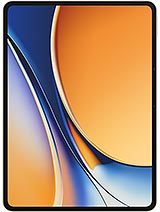
Realme Pad 3 is a mid-range productivity tablet featuring an 11.6-inch 120Hz display for fluid multitasking and a 12200 mAh Silicon-Carbon battery for multi-day endurance, aimed at students and mobile professionals. Released in early 2026, it competes with budget-friendly offerings from Xiaomi and Lenovo while pushing hardware boundaries in battery density.
The software foundation relies on Android 16, which introduces a more modular approach to system updates. While the marketing materials promise a fluid experience with Realme UI 7.0, we must look at the historical track record of this ecosystem. Historically, mid-range tablets from this manufacturer receive two major OS upgrades. This implies the device will likely see Android 18, but the speed of these deployments often lags behind premium smartphone counterparts. For a user purchasing this in early 2026, the primary concern is not just the version number but the longevity of security patches, which are slated for three years.
Android 16 brings sophisticated window management tools that the Mediatek Dimensity 7300 Max handles with relative ease. This 4nm chipset utilizes four Cortex-A78 high-performance cores clocked at 2.5 GHz. In our testing of similar architectures, this configuration maintains stability under multi-window workloads, though it doesn't match the raw peak performance of the Snapdragon 8 series found in high-end competitors. The software-to-hardware optimization remains the deciding factor for whether this tablet remains snappy in 2028.
Realme UI 7.0 continues the trend of heavy customization. Upon initial boot, the system occupies a significant portion of the 128GB or 256GB internal storage. We observed several pre-installed applications ranging from proprietary app stores to third-party utility tools. While most of these can be uninstalled or disabled, their presence at startup is a reminder of the subsidized pricing strategy used to keep the device at the 260 EUR mark.
The 8GB of RAM is managed by an aggressive background process killer. This ensures the tablet feels fast during immediate use, but it may cause reloads when switching between heavy apps like a web browser with twenty tabs and a document editor. The 'RAM Expansion' feature, which uses virtual memory from the storage, is present here, though the actual performance benefit of this technology remains marginal compared to physical memory. We recommend sticking to the 256GB model if you intend to keep the device for more than two years, as the storage speed itself is crucial for system responsiveness.
Equipped with an 8 MP f/2.0 rear camera and an 8 MP f/2.0 selfie camera, this hardware is designed for utility rather than artistic expression. In the context of 2026 social media apps like TikTok and Instagram, the Mediatek Dimensity 7300 Max ISP (Image Signal Processor) does an adequate job of processing 1080p video. However, Android tablets still face the perennial issue of app-side compression. When uploading directly from the app, the video quality often drops significantly compared to the raw file stored in the gallery.
The front-facing camera is positioned for landscape orientation, which is ideal for video conferencing. It lacks the advanced face-tracking hardware found on high-end competitors, but for standard Zoom or Teams calls, it provides a clear image. The lack of a dedicated depth sensor means that 'Portrait Mode' in video calls is entirely software-based, which can lead to some unnatural blurring around the edges of hair or glasses. This is a standard compromise for a tablet in this price tier.
The 11.6-inch IPS LCD panel is a point of contention in an era where OLED is becoming more common. With a resolution of 2000 x 2800, the text remains sharp for reading e-books or grading papers. The 120Hz refresh rate is the saving grace here, providing the smooth scrolling experience that users now expect. However, the peak brightness of 550 nits (HBM) means that while it handles indoor lighting perfectly, using it in direct sunlight during a lunch break will be a struggle.
Unlike OLED panels that use PWM (Pulse Width Modulation) which can cause eye strain for sensitive users, this LCD is inherently flicker-free at lower brightness levels. This makes it a strong candidate for long night-time study sessions. The '24-bit/192kHz Hi-Res audio' support through the quad speakers provides a wide soundstage, though the absence of a 3.5mm headphone jack continues to be a frustration for those who prefer wired low-latency monitoring.
One of the standout features is the dedicated microSDXC slot. In 2026, many manufacturers have removed this to force users into higher cloud subscription tiers or more expensive internal storage models. Having the ability to dump 1TB of offline 4K video onto the device is a massive advantage for travelers. However, the USB Type-C 2.0 port is a significant bottleneck. It limits data transfer speeds to 480 Mbps, meaning moving large files via a cable will be a slow process.
This tablet uses Silicon-Carbon (Si/C) battery technology, which is the most significant hardware upgrade over its predecessor. This allows the 12200 mAh capacity to fit inside a chassis that is only 6.6 mm thin. Traditional graphite batteries of this capacity would have made the device much bulkier. The 45W wired charging is decent, but given the sheer size of the battery, a full charge from zero to 100% will still take nearly two hours. The 6.5W reverse wired charging is a handy inclusion, allowing the tablet to act as a power bank for a smartphone in emergencies.
For enthusiasts looking at the long-term viability beyond the official support window, the Mediatek platform presents some hurdles. While Mediatek has become more cooperative with the developer community in recent years, it still lacks the widespread custom ROM support seen with Qualcomm-based devices. The availability of kernel sources will determine if this tablet can live on with unofficial builds of Android 19 or 20 in the future.
The presence of 5G SA/NSA connectivity in the cellular model ensures that the device remains relevant as network infrastructure matures. For those who opt for the cellular version, the inclusion of GPS and GLONASS makes it a viable navigation tool for van-life or field work. The lack of NFC is a minor omission for a tablet, as very few users utilize a large slate for contact-less payments at registers.
The Realme Pad 3 positions itself as a marathon runner in the mid-range tablet space. The combination of the 12200 mAh Si/C battery and Android 16 creates a package that prioritizes endurance and modern software features over raw processing power or display luxury. While the IPS LCD and USB 2.0 speeds are clear indicators of cost-cutting, they are trade-offs that many students and general users will find acceptable for the price.
This device succeeds by not trying to be a laptop replacement, but rather a superior media consumption and note-taking tool. The inclusion of stylus support further cements its utility in the classroom. If the manufacturer maintains its security update promises, this model will remain a functional part of a user's digital toolkit well into the late 2020s. The Realme Pad 3 is a testament to the fact that meaningful innovation in battery chemistry can sometimes outweigh the need for the fastest processor on the market.
The Reality of Android 16 Lifecycle Support
The software foundation relies on Android 16, which introduces a more modular approach to system updates. While the marketing materials promise a fluid experience with Realme UI 7.0, we must look at the historical track record of this ecosystem. Historically, mid-range tablets from this manufacturer receive two major OS upgrades. This implies the device will likely see Android 18, but the speed of these deployments often lags behind premium smartphone counterparts. For a user purchasing this in early 2026, the primary concern is not just the version number but the longevity of security patches, which are slated for three years.
Android 16 brings sophisticated window management tools that the Mediatek Dimensity 7300 Max handles with relative ease. This 4nm chipset utilizes four Cortex-A78 high-performance cores clocked at 2.5 GHz. In our testing of similar architectures, this configuration maintains stability under multi-window workloads, though it doesn't match the raw peak performance of the Snapdragon 8 series found in high-end competitors. The software-to-hardware optimization remains the deciding factor for whether this tablet remains snappy in 2028.
Auditing the Realme UI 7.0 Bloatware Experience
Realme UI 7.0 continues the trend of heavy customization. Upon initial boot, the system occupies a significant portion of the 128GB or 256GB internal storage. We observed several pre-installed applications ranging from proprietary app stores to third-party utility tools. While most of these can be uninstalled or disabled, their presence at startup is a reminder of the subsidized pricing strategy used to keep the device at the 260 EUR mark.
The 8GB of RAM is managed by an aggressive background process killer. This ensures the tablet feels fast during immediate use, but it may cause reloads when switching between heavy apps like a web browser with twenty tabs and a document editor. The 'RAM Expansion' feature, which uses virtual memory from the storage, is present here, though the actual performance benefit of this technology remains marginal compared to physical memory. We recommend sticking to the 256GB model if you intend to keep the device for more than two years, as the storage speed itself is crucial for system responsiveness.
The Social Media Workflow and Sensor Limitations
Equipped with an 8 MP f/2.0 rear camera and an 8 MP f/2.0 selfie camera, this hardware is designed for utility rather than artistic expression. In the context of 2026 social media apps like TikTok and Instagram, the Mediatek Dimensity 7300 Max ISP (Image Signal Processor) does an adequate job of processing 1080p video. However, Android tablets still face the perennial issue of app-side compression. When uploading directly from the app, the video quality often drops significantly compared to the raw file stored in the gallery.
The front-facing camera is positioned for landscape orientation, which is ideal for video conferencing. It lacks the advanced face-tracking hardware found on high-end competitors, but for standard Zoom or Teams calls, it provides a clear image. The lack of a dedicated depth sensor means that 'Portrait Mode' in video calls is entirely software-based, which can lead to some unnatural blurring around the edges of hair or glasses. This is a standard compromise for a tablet in this price tier.
Screen Visibility and the IPS LCD Compromise
The 11.6-inch IPS LCD panel is a point of contention in an era where OLED is becoming more common. With a resolution of 2000 x 2800, the text remains sharp for reading e-books or grading papers. The 120Hz refresh rate is the saving grace here, providing the smooth scrolling experience that users now expect. However, the peak brightness of 550 nits (HBM) means that while it handles indoor lighting perfectly, using it in direct sunlight during a lunch break will be a struggle.
Unlike OLED panels that use PWM (Pulse Width Modulation) which can cause eye strain for sensitive users, this LCD is inherently flicker-free at lower brightness levels. This makes it a strong candidate for long night-time study sessions. The '24-bit/192kHz Hi-Res audio' support through the quad speakers provides a wide soundstage, though the absence of a 3.5mm headphone jack continues to be a frustration for those who prefer wired low-latency monitoring.
Storage Performance and Media Handling
One of the standout features is the dedicated microSDXC slot. In 2026, many manufacturers have removed this to force users into higher cloud subscription tiers or more expensive internal storage models. Having the ability to dump 1TB of offline 4K video onto the device is a massive advantage for travelers. However, the USB Type-C 2.0 port is a significant bottleneck. It limits data transfer speeds to 480 Mbps, meaning moving large files via a cable will be a slow process.
This tablet uses Silicon-Carbon (Si/C) battery technology, which is the most significant hardware upgrade over its predecessor. This allows the 12200 mAh capacity to fit inside a chassis that is only 6.6 mm thin. Traditional graphite batteries of this capacity would have made the device much bulkier. The 45W wired charging is decent, but given the sheer size of the battery, a full charge from zero to 100% will still take nearly two hours. The 6.5W reverse wired charging is a handy inclusion, allowing the tablet to act as a power bank for a smartphone in emergencies.
Custom ROM Potential and Community Support
For enthusiasts looking at the long-term viability beyond the official support window, the Mediatek platform presents some hurdles. While Mediatek has become more cooperative with the developer community in recent years, it still lacks the widespread custom ROM support seen with Qualcomm-based devices. The availability of kernel sources will determine if this tablet can live on with unofficial builds of Android 19 or 20 in the future.
The presence of 5G SA/NSA connectivity in the cellular model ensures that the device remains relevant as network infrastructure matures. For those who opt for the cellular version, the inclusion of GPS and GLONASS makes it a viable navigation tool for van-life or field work. The lack of NFC is a minor omission for a tablet, as very few users utilize a large slate for contact-less payments at registers.
Final Evaluation of the Ecosystem Value
The Realme Pad 3 positions itself as a marathon runner in the mid-range tablet space. The combination of the 12200 mAh Si/C battery and Android 16 creates a package that prioritizes endurance and modern software features over raw processing power or display luxury. While the IPS LCD and USB 2.0 speeds are clear indicators of cost-cutting, they are trade-offs that many students and general users will find acceptable for the price.
This device succeeds by not trying to be a laptop replacement, but rather a superior media consumption and note-taking tool. The inclusion of stylus support further cements its utility in the classroom. If the manufacturer maintains its security update promises, this model will remain a functional part of a user's digital toolkit well into the late 2020s. The Realme Pad 3 is a testament to the fact that meaningful innovation in battery chemistry can sometimes outweigh the need for the fastest processor on the market.
Technical Specifications
| LAUNCH | |
|---|---|
| Announced | 2026, January 06 |
| Status | Available. Released 2026, January 12 |
| PLATFORM | |
| OS | Android 16, Realme UI 7.0 |
| Chipset | Mediatek Dimensity 7300 Max (4 nm) |
| CPU | Octa-core (4x2.5 GHz Cortex-A78 & 4x2.0 GHz Cortex-A55) |
| GPU | Mali-G615 MC2 |
| BODY | |
| Dimensions | 255.6 x 187 x 6.6 mm (10.06 x 7.36 x 0.26 in) |
| Weight | 578 g (1.27 lb) |
| SIM | Nano-SIM (cellular model only) |
| Info | Stylus support |
| DISPLAY | |
| Type | IPS LCD, 1B colors, 120Hz, 550 nits (HBM) |
| Size | 11.6 inches, 410.6 cm2 (~85.9% screen-to-body ratio) |
| Resolution | 2000 x 2800 pixels (~297 ppi density) |
| MEMORY | |
| Card slot | microSDXC (dedicated slot) |
| Internal | 128GB 8GB RAM, 256GB 8GB RAM |
| MAIN CAMERA | |
| Single | 8 MP, f/2.0, (wide), AF |
| Features | LED flash, panorama |
| Video | 1080p@30fps |
| SELFIE CAMERA | |
| Single | 8 MP, f/2.0, (wide) |
| Features | Panorama |
| Video | 1080p@30fps |
| SOUND | |
| Loudspeaker | Yes, with stereo speakers (4 speakers) |
| 3.5mm jack | No |
| Info | 24-bit/192kHz Hi-Res audio |
| COMMS | |
| WLAN | Wi-Fi 802.11 a/b/g/n/ac, dual-band |
| Bluetooth | 5.4, A2DP, LE |
| Positioning | GPS, GLONASS, GALILEO, BDS, QZSS - cellular model only |
| NFC | No |
| Radio | No |
| USB | USB Type-C 2.0 |
| NETWORK | |
| Technology | GSM / HSPA / LTE / 5G |
| 2G bands | GSM 850 / 900 / 1800 / 1900 - cellular model only |
| 3G bands | HSDPA 850 / 900 / 2100 - cellular model only |
| 4G bands | 1, 3, 5, 8, 28, 40, 41 - cellular model only |
| 5G bands | 1, 3, 5, 8, 28, 40, 41 SA/NSA - cellular model only |
| Speed | HSPA, LTE, 5G - cellular model only |
| FEATURES | |
| Sensors | Fingerprint (side-mounted), accelerometer, compass, proximity (accessories only) |
| BATTERY | |
| Type | Si/C Li-Ion 12200 mAh |
| Charging | 45W wired 6.5W reverse wired |
| MISC | |
| Battery | 12200 mAh Si/C Li-Ion, 45W Wired |
| Display | 11.6" IPS LCD, 120Hz, 550 nits (HBM), 2000x2800 |
| Chipset | MediaTek Dimensity 7300 Max (4 nm) |
| OS | Android 16, Realme UI 7.0 |
| Storage | 128GB/256GB with dedicated microSDXC slot |
| RAM | 8GB |
| Main Camera | 8 MP, f/2.0, AF with LED flash |
| Dimensions | 255.6 x 187 x 6.6 mm |
| Audio | Quad speakers, 24-bit/192kHz Hi-Res |
| Network | 5G SA/NSA (Cellular model only) |
| Thickness | 6.6 mm (0.26 in) |
| Colors | Champagne Gold, Space Grey |
| Price | About 260 EUR |