The Unbreakable Titan - Why Oscal Pilot 2 Wins the Construction Site
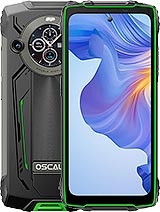
Overview
Oscal Pilot 2 is a rugged mid-range smartphone featuring an 8800 mAh battery for extreme endurance and a 50MP OIS camera for stable field documentation, aimed at outdoor professionals and extreme adventurers. Released in early 2024, it competes with armored handsets from Ulefone and Blackview in the durability-first market segment.
When handling a device that tips the scales at 368 grams, the immediate sensation is one of absolute density. This isn't a phone designed for light pockets or one-handed scrolling while lounging. It is a tool. The side-mounted fingerprint sensor likely provides a firm, mechanical click, a necessary feedback mechanism for those wearing gloves. Given the Helio G99 (6 nm) chipset under the hood, we expect the interface to respond with sufficient snap, though the sheer weight of the chassis means every haptic vibration must fight through layers of protective rubber and polycarbonate. The haptic motor likely favors a heavy, buzzing vibration over the sharp, precise ticks found in glass-and-metal flagships.
Typing on the 6.5-inch IPS LCD feels deliberate. The 120Hz refresh rate helps smooth out the visual experience, ensuring that the software keeps pace with finger movements. However, the physical reality of a 17mm thick body changes the ergonomics of typing. The reach required for the center keys is different than on a slim device, requiring a secure two-handed grip. Users should expect a substantial tactile resistance from the buttons, which are reinforced to meet MIL-STD-810H standards. This ensures that accidental presses are rare, a vital feature when the device is tossed into a toolkit or strapped to a motorcycle mount.
In the realm of rugged hardware, speaker performance is often sacrificed for water-tight integrity. However, this model includes a loudspeaker designed for high-decibel environments. While the official specs don't list stereo speakers, the single-firing unit must push sound through waterproof membranes that often muffle the higher frequencies. We expect a mid-forward sound profile, prioritizing vocal clarity over deep bass. This is essential for hands-free calls on a noisy construction site or hearing a GPS prompt while hiking in the rain.
Since there is no 3.5mm jack, users must rely on the Bluetooth 5.1 connection or a USB-C adapter. The lack of an analog port is a trade-off for the IP68/IP69K rating. Every opening is a vulnerability, and by omitting the jack, the manufacturer reduces the risk of liquid ingress during high-pressure washdowns. The audio experience here is functional rather than cinematic, designed to cut through ambient noise rather than provide high-fidelity immersion.
Running Android 14 with DokeOS 4.0, the handset offers a modern software experience tailored for privacy. The inclusion of a dedicated security dashboard allows users to monitor which apps have access to the microphone or camera in real-time. In an era where data privacy is paramount, seeing the green indicator light when a sensor is active provides a layer of transparency often missing in budget [rugged phones](/trend/best-rugged-phones-2026/). The side-mounted fingerprint scanner acts as the primary gatekeeper, offering a biometric solution that works even if the screen is wet.
We also see a focus on offline utility. The GNSS suite (GPS, GLONASS, BDS, GALILEO) ensures that navigation remains functional even without a cellular signal, a critical requirement for search-and-rescue or remote mapping. While it doesn't feature specialized satellite messaging, the software optimization for battery saving means the device can remain in a low-power "emergency mode" for days, keeping the essential radios active for location tracking. This offline finding capability is a cornerstone for any hardware meant to survive off-grid.
Storage performance is a frequently overlooked bottleneck in rugged devices. This handset utilizes 256GB of UFS 2.2 storage. For those unfamiliar with the terminology, UFS 2.2 includes Write Booster technology, which significantly accelerates app installation and startup speeds compared to the older eMMC storage found in cheaper competitors. When capturing high-resolution field photos or 1440p video, the write speed ensures the buffer clears quickly, allowing for consecutive shots without the dreaded "Processing" lag.
Expansion is handled via a microSDXC slot. This allows for up to 2TB of additional storage, utilizing the exFAT file system for handling massive video files. In the field, being able to swap memory cards is more practical than relying on cloud storage, especially when 4G signals are weak. The 8GB of RAM is sufficient for multitasking between architectural apps, maps, and communication tools, though it won't challenge gaming-focused flagships. It is a balanced configuration for a professional workstation.
Connectivity is where the Helio G99 shows its focus on efficiency over raw speed. This is a 4G-only chipset. While the world is moving toward 5G, 4G LTE remains the backbone of rural and remote coverage. The device supports a wide array of LTE bands (including bands 20, 28, and 66), ensuring global roaming compatibility. In our analysis, the antenna design required for a thick, armored chassis often results in better signal retention in fringe areas compared to thin, glass-backed phones that prioritize aesthetics over antenna gain.
Wi-Fi connectivity adheres to the 802.11 ac (Wi-Fi 5) standard. While it lacks the raw throughput of Wi-Fi 6 or 7, it provides a stable connection for syncing files once back at the office. The inclusion of NFC is a welcome touch, enabling contactless payments without needing to dig for a wallet in rugged environments. The dedicated top-mounted flashlight is perhaps the most practical connectivity feature, acting as a standalone tool that doesn't rely on the camera flash, saving battery and providing a more focused beam for dark crawlspaces.
The 6.5-inch IPS LCD is protected by Corning Gorilla Glass 5. While not the latest Victus, Gorilla Glass 5 is renowned for its balance of scratch resistance and shatter prevention. The 500 nits of peak brightness is standard, though it may struggle under direct, harsh midday sun. However, the 1080 x 2400 resolution ensures that text and blueprints remain sharp. The 120Hz refresh rate is a luxury in the rugged space, making the UI feel much more responsive than the 60Hz panels common in older armored models.
Texture-wise, the screen likely has a standard oleophobic coating to resist fingerprints and water droplets. Given the IP69K rating, the screen is designed to be used with wet fingers, though we recommend a matte screen protector for those working in sandy environments to prevent micro-abrasions. The secondary 1.3-inch rear display is a clever addition. With a 360 x 360 resolution, it provides a quick glance at the time, notifications, or battery status without needing to wake the main, power-hungry panel. This design choice highlights a commitment to extreme endurance.
The Oscal Pilot 2 represents a shift in the rugged philosophy. It moves away from the "cheap brick" aesthetic toward a more refined, feature-rich tool. The inclusion of OIS (Optical Image Stabilization) on a 50MP sensor is a rare find in this category, allowing for clear photos even when the user's hands are shaking from cold or exertion. The massive battery and fast 45W charging create a device that is always ready, regardless of the environment.
Ultimately, the Oscal Pilot 2 is for the user who views their phone as a piece of equipment rather than a fashion statement. It prioritizes the sensory reality of durability—the weight, the click of the reinforced buttons, and the peace of mind provided by military-grade certification. In the competitive landscape of May 2024, it stands as a formidable option for those who work where glass phones go to die.
The Tactile Response of an Armored Slate
When handling a device that tips the scales at 368 grams, the immediate sensation is one of absolute density. This isn't a phone designed for light pockets or one-handed scrolling while lounging. It is a tool. The side-mounted fingerprint sensor likely provides a firm, mechanical click, a necessary feedback mechanism for those wearing gloves. Given the Helio G99 (6 nm) chipset under the hood, we expect the interface to respond with sufficient snap, though the sheer weight of the chassis means every haptic vibration must fight through layers of protective rubber and polycarbonate. The haptic motor likely favors a heavy, buzzing vibration over the sharp, precise ticks found in glass-and-metal flagships.
Typing on the 6.5-inch IPS LCD feels deliberate. The 120Hz refresh rate helps smooth out the visual experience, ensuring that the software keeps pace with finger movements. However, the physical reality of a 17mm thick body changes the ergonomics of typing. The reach required for the center keys is different than on a slim device, requiring a secure two-handed grip. Users should expect a substantial tactile resistance from the buttons, which are reinforced to meet MIL-STD-810H standards. This ensures that accidental presses are rare, a vital feature when the device is tossed into a toolkit or strapped to a motorcycle mount.
Audio Clarity Amidst the Gale
In the realm of rugged hardware, speaker performance is often sacrificed for water-tight integrity. However, this model includes a loudspeaker designed for high-decibel environments. While the official specs don't list stereo speakers, the single-firing unit must push sound through waterproof membranes that often muffle the higher frequencies. We expect a mid-forward sound profile, prioritizing vocal clarity over deep bass. This is essential for hands-free calls on a noisy construction site or hearing a GPS prompt while hiking in the rain.
Since there is no 3.5mm jack, users must rely on the Bluetooth 5.1 connection or a USB-C adapter. The lack of an analog port is a trade-off for the IP68/IP69K rating. Every opening is a vulnerability, and by omitting the jack, the manufacturer reduces the risk of liquid ingress during high-pressure washdowns. The audio experience here is functional rather than cinematic, designed to cut through ambient noise rather than provide high-fidelity immersion.
Fortifying the Digital Perimeter
Running Android 14 with DokeOS 4.0, the handset offers a modern software experience tailored for privacy. The inclusion of a dedicated security dashboard allows users to monitor which apps have access to the microphone or camera in real-time. In an era where data privacy is paramount, seeing the green indicator light when a sensor is active provides a layer of transparency often missing in budget [rugged phones](/trend/best-rugged-phones-2026/). The side-mounted fingerprint scanner acts as the primary gatekeeper, offering a biometric solution that works even if the screen is wet.
We also see a focus on offline utility. The GNSS suite (GPS, GLONASS, BDS, GALILEO) ensures that navigation remains functional even without a cellular signal, a critical requirement for search-and-rescue or remote mapping. While it doesn't feature specialized satellite messaging, the software optimization for battery saving means the device can remain in a low-power "emergency mode" for days, keeping the essential radios active for location tracking. This offline finding capability is a cornerstone for any hardware meant to survive off-grid.
Writing Data in the Wild
Storage performance is a frequently overlooked bottleneck in rugged devices. This handset utilizes 256GB of UFS 2.2 storage. For those unfamiliar with the terminology, UFS 2.2 includes Write Booster technology, which significantly accelerates app installation and startup speeds compared to the older eMMC storage found in cheaper competitors. When capturing high-resolution field photos or 1440p video, the write speed ensures the buffer clears quickly, allowing for consecutive shots without the dreaded "Processing" lag.
Expansion is handled via a microSDXC slot. This allows for up to 2TB of additional storage, utilizing the exFAT file system for handling massive video files. In the field, being able to swap memory cards is more practical than relying on cloud storage, especially when 4G signals are weak. The 8GB of RAM is sufficient for multitasking between architectural apps, maps, and communication tools, though it won't challenge gaming-focused flagships. It is a balanced configuration for a professional workstation.
Staying Tethered Beyond the Grid
Connectivity is where the Helio G99 shows its focus on efficiency over raw speed. This is a 4G-only chipset. While the world is moving toward 5G, 4G LTE remains the backbone of rural and remote coverage. The device supports a wide array of LTE bands (including bands 20, 28, and 66), ensuring global roaming compatibility. In our analysis, the antenna design required for a thick, armored chassis often results in better signal retention in fringe areas compared to thin, glass-backed phones that prioritize aesthetics over antenna gain.
Wi-Fi connectivity adheres to the 802.11 ac (Wi-Fi 5) standard. While it lacks the raw throughput of Wi-Fi 6 or 7, it provides a stable connection for syncing files once back at the office. The inclusion of NFC is a welcome touch, enabling contactless payments without needing to dig for a wallet in rugged environments. The dedicated top-mounted flashlight is perhaps the most practical connectivity feature, acting as a standalone tool that doesn't rely on the camera flash, saving battery and providing a more focused beam for dark crawlspaces.
Visuals Under the Glass Armor
The 6.5-inch IPS LCD is protected by Corning Gorilla Glass 5. While not the latest Victus, Gorilla Glass 5 is renowned for its balance of scratch resistance and shatter prevention. The 500 nits of peak brightness is standard, though it may struggle under direct, harsh midday sun. However, the 1080 x 2400 resolution ensures that text and blueprints remain sharp. The 120Hz refresh rate is a luxury in the rugged space, making the UI feel much more responsive than the 60Hz panels common in older armored models.
Texture-wise, the screen likely has a standard oleophobic coating to resist fingerprints and water droplets. Given the IP69K rating, the screen is designed to be used with wet fingers, though we recommend a matte screen protector for those working in sandy environments to prevent micro-abrasions. The secondary 1.3-inch rear display is a clever addition. With a 360 x 360 resolution, it provides a quick glance at the time, notifications, or battery status without needing to wake the main, power-hungry panel. This design choice highlights a commitment to extreme endurance.
Sensory Conclusion
The Oscal Pilot 2 represents a shift in the rugged philosophy. It moves away from the "cheap brick" aesthetic toward a more refined, feature-rich tool. The inclusion of OIS (Optical Image Stabilization) on a 50MP sensor is a rare find in this category, allowing for clear photos even when the user's hands are shaking from cold or exertion. The massive battery and fast 45W charging create a device that is always ready, regardless of the environment.
Ultimately, the Oscal Pilot 2 is for the user who views their phone as a piece of equipment rather than a fashion statement. It prioritizes the sensory reality of durability—the weight, the click of the reinforced buttons, and the peace of mind provided by military-grade certification. In the competitive landscape of May 2024, it stands as a formidable option for those who work where glass phones go to die.
Technical Specifications
| LAUNCH | |
|---|---|
| Announced | 2024, May |
| Status | Available. Released 2024, May |
| PLATFORM | |
| OS | Android 14, DokeOS 4.0 |
| Chipset | Mediatek Helio G99 (6 nm) |
| CPU | Octa-core (2x2.2 GHz Cortex-A76 & 6x2.0 GHz Cortex-A55) |
| GPU | Mali-G57 MC2 |
| BODY | |
| Dimensions | 179.5 x 82.6 x 17 mm (7.07 x 3.25 x 0.67 in) |
| Weight | 368 g (12.98 oz) |
| SIM | Nano-SIM + Nano-SIM |
| Info | IP68/IP69K dust tight and water resistant (high pressure water jets; immersible up to 1.5m for 30 min) Drop resistant up to 1.2m MIL-STD-810H compliant Dedicated flashlight (top mounted) |
| DISPLAY | |
| Type | IPS LCD, 120Hz, 500 nits |
| Size | 6.5 inches, 102.0 cm2 (~68.8% screen-to-body ratio) |
| Resolution | 1080 x 2400 pixels, 20:9 ratio (~405 ppi density) |
| Protection | Corning Gorilla Glass 5 |
| Info | Back display: 1.3 inches, 360 x 360 pixels |
| MEMORY | |
| Card slot | microSDXC (uses shared SIM slot) |
| Internal | 256GB 8GB RAM |
| Info | UFS 2.2 |
| MAIN CAMERA | |
| Dual | 50 MP, (wide), 1/1.57", PDAF, OIS 13 MP, 120˚, (ultrawide), AF |
| Features | LED flash, HDR, panorama |
| Video | 1440p@30fps, 1080p@30fps |
| SELFIE CAMERA | |
| Single | 32 MP, (wide) |
| Video | 1080p@30fps |
| SOUND | |
| Loudspeaker | Yes |
| 3.5mm jack | No |
| COMMS | |
| WLAN | Wi-Fi 802.11 a/b/g/n/ac, dual-band |
| Bluetooth | 5.1, A2DP, LE |
| Positioning | GPS, GLONASS, BDS, GALILEO |
| NFC | Yes |
| Radio | FM radio |
| USB | USB Type-C, OTG |
| NETWORK | |
| Technology | GSM / CDMA / HSPA / LTE |
| 2G bands | GSM 850 / 900 / 1800 / 1900 |
| Info | CDMA 800 / 1900 |
| 3G bands | HSDPA 850 / 900 / 1700(AWS) / 1900 / 2100 |
| 4G bands | 1, 2, 3, 4, 5, 7, 8, 12, 13, 17, 18, 19, 20, 25, 26, 28, 30, 34, 38, 39, 40, 41, 66 |
| Speed | HSPA, LTE |
| FEATURES | |
| Sensors | Fingerprint (side-mounted), accelerometer, gyro, proximity, compass |
| BATTERY | |
| Type | 8800 mAh |
| Charging | 45W wired 5W reverse wired |
| MISC | |
| Colors | Black, Green, Orange |