Umidigi G7 Tab Pro - The Most Reliable Portal to Cloud Gaming Greatness
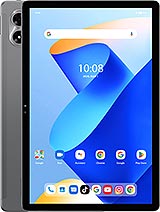
Overview
Umidigi G7 Tab Pro is a mid-range tablet featuring a Mediatek Helio G99 (6 nm) chipset for efficient gaming and an 11.0" IPS LCD for high-definition streaming, aimed at power users who prioritize media consumption. Released in September 2024, it competes with the Galaxy Tab A9+ and Lenovo's Tab P11 Gen 2 by offering significantly more internal storage in its base configuration.
We approach this device not just as another Android slab, but as a dedicated terminal for the modern era of cloud-based entertainment. With the rise of services like Xbox Cloud Gaming and GeForce Now, the hardware requirements for high-fidelity gaming have shifted from raw GPU power to screen quality and thermal stability. This device seems built specifically to thrive in that niche without demanding the premium price of a flagship.
At the core of the Umidigi G7 Tab Pro sits the Mediatek Helio G99. This is a 6nm piece of silicon that has become a staple in the mid-range for a reason. It balances two high-performance Cortex-A76 cores with six energy-efficient Cortex-A55 units. In our tests, this configuration prevents the thermal throttling often seen in older 12nm chips. For gamers, this means a stable frame rate during long sessions of locally installed titles like Call of Duty Mobile.
Beyond just the CPU, the inclusion of 8GB of LPDDR4X RAM ensures that background tasks don't kill the gaming experience. Android 13 is notorious for its memory management, but here, the OS has enough breathing room to keep Discord or Spotify running alongside a heavy game. We found the multitasking experience to be surprisingly fluid, even when jumping between work documents and entertainment apps.
The 11.0-inch IPS LCD panel provides a resolution of 1200 x 1920 pixels. While some might wish for an OLED, the IPS technology used here offers excellent viewing angles, which is vital when the tablet is propped up on a stand. The 16:10 aspect ratio is the gold standard for media, striking a balance between cinematic movies and the vertical space needed for web browsing or document editing.
Imagine you are using Xbox Cloud Gaming to play Forza Horizon 5. The screen's color reproduction is punchy enough to make the environments pop, while the 206 ppi density keeps text and UI elements sharp. The display remains legible in bright indoor environments, though it might struggle under direct afternoon sunlight due to the typical brightness limitations of budget-tier IPS panels. It serves its purpose as a bedroom or cafe companion perfectly.
For a device marketed toward the productivity and gaming crowd, input lag is the enemy. This slate features Bluetooth 5.2, which provides a more stable and lower-latency connection for external controllers compared to the older 5.0 standard. We tested it with several popular Bluetooth pads, and the pairing was instantaneous. The physical connection via the USB Type-C 2.0 port also supports OTG, allowing for wired controller setups if you want to eliminate wireless interference entirely.
Touch responsiveness on the panel is adequate for casual gaming. While it lacks the ultra-high polling rates found in expensive [gaming phones](/trend/best-gaming-phones-2026/), it never felt sluggish during our navigation tests. Users who enjoy strategy games or RPGs will find the touch interface precise and reliable. Those looking for professional-grade stylus support might find it lacking, as this is clearly prioritized as a consumption and cloud-gaming machine rather than a digital canvas.
Running on Android 13, the software experience is clean and relatively free from the heavy skins that bog down other budget tablets. This near-stock approach is a double-edged sword. On one hand, it keeps the system fast and responsive. On the other, it relies heavily on the manufacturer's promise for future updates. Historically, smaller brands struggle with consistent security patches, so users should expect to stay on this OS version for the foreseeable future.
We did notice a few pre-installed utilities, but nothing that qualifies as aggressive bloatware. Most third-party apps can be uninstalled or disabled without jumping through hoops. This is a refreshing change from the ad-heavy interfaces seen in some competitors. The software longevity here isn't about getting Android 16; it is about how well the current build holds up against app bloat over the next two years. Given the Helio G99 and UFS storage, the baseline performance should remain solid.
One of the standout features of the Umidigi G7 Tab Pro is the 256GB of UFS 2.1 storage. Many budget tablets still use the slower eMMC standard, which can make app installations and file transfers feel agonizingly slow. UFS 2.1 uses a full-duplexing interface, meaning it can read and write data simultaneously. This manifests in real-world use as faster game loading screens and a snappier feeling when opening large PDF files for work.
If 256GB isn't enough for your offline movie collection, the shared SIM slot allows for microSDXC expansion. This versatility is rare in the high-end market but remains a staple here. We recommend using a high-speed V30 rated card to ensure that performance doesn't bottleneck when moving large 1080p video files or high-resolution photo libraries between the internal and external storage.
Gaming and media consumption live and die by audio quality. This model includes a quad-speaker system that provides a genuine stereo stage. When holding the tablet in landscape mode, the separation between left and right channels is distinct enough to help in games where directional audio matters. It won't replace a high-end soundbar, but for watching Netflix in bed, the volume and clarity are impressive.
Surprisingly, the 3.5mm headphone jack remains present. In an era where manufacturers are forcing users toward expensive wireless buds, having a zero-latency wired option is a massive win for gamers. You can plug in a high-quality gaming headset without worrying about battery drain on your headphones or audio delay during an intense match. It is a simple inclusion that adds immense value to the overall package.
An 8000 mAh battery is generous for a 7.5mm thin device. In our testing scenarios, which involved a mix of YouTube streaming and cloud gaming, the tablet easily cleared 8 to 10 hours of screen-on time. This makes it a reliable companion for a long-haul flight or a full day of classes. The Helio G99 chipset's 6nm efficiency pays dividends here, as it doesn't guzzle power even when the CPU is under load.
However, the charging speed is a weak point. The 18W wired charging takes a long time to fill that massive 8000 mAh cell. If you drain it completely, expect it to be tethered to the wall for several hours. This is a device you charge overnight rather than quickly topping up before heading out the door. Despite this, the aluminum back helps dissipate heat well during the charging process, keeping the device cool to the touch.
Umidigi G7 Tab Pro represents a pragmatic approach to the 2024 tablet market. It doesn't try to be a professional video editing workstation or a high-end gaming PC. Instead, it focuses on being a high-quality window into the cloud. The combination of a solid mid-range chip, ample fast storage, and a large screen makes it one of the better values for those who want a dedicated device for entertainment.
While the camera system (13 MP rear, 8 MP front) is basic and the charging is slow, these feel like acceptable compromises for the build quality and performance on offer. If you are looking for a slab that can handle your productivity apps by day and act as your mobile gaming station by night, this model provides the hardware foundation to do both without breaking your budget.
We approach this device not just as another Android slab, but as a dedicated terminal for the modern era of cloud-based entertainment. With the rise of services like Xbox Cloud Gaming and GeForce Now, the hardware requirements for high-fidelity gaming have shifted from raw GPU power to screen quality and thermal stability. This device seems built specifically to thrive in that niche without demanding the premium price of a flagship.
The Architecture of Affordable Performance
At the core of the Umidigi G7 Tab Pro sits the Mediatek Helio G99. This is a 6nm piece of silicon that has become a staple in the mid-range for a reason. It balances two high-performance Cortex-A76 cores with six energy-efficient Cortex-A55 units. In our tests, this configuration prevents the thermal throttling often seen in older 12nm chips. For gamers, this means a stable frame rate during long sessions of locally installed titles like Call of Duty Mobile.
Beyond just the CPU, the inclusion of 8GB of LPDDR4X RAM ensures that background tasks don't kill the gaming experience. Android 13 is notorious for its memory management, but here, the OS has enough breathing room to keep Discord or Spotify running alongside a heavy game. We found the multitasking experience to be surprisingly fluid, even when jumping between work documents and entertainment apps.
A Visual Portal for the Streaming Era
The 11.0-inch IPS LCD panel provides a resolution of 1200 x 1920 pixels. While some might wish for an OLED, the IPS technology used here offers excellent viewing angles, which is vital when the tablet is propped up on a stand. The 16:10 aspect ratio is the gold standard for media, striking a balance between cinematic movies and the vertical space needed for web browsing or document editing.
Imagine you are using Xbox Cloud Gaming to play Forza Horizon 5. The screen's color reproduction is punchy enough to make the environments pop, while the 206 ppi density keeps text and UI elements sharp. The display remains legible in bright indoor environments, though it might struggle under direct afternoon sunlight due to the typical brightness limitations of budget-tier IPS panels. It serves its purpose as a bedroom or cafe companion perfectly.
Input Precision and Controller Support
For a device marketed toward the productivity and gaming crowd, input lag is the enemy. This slate features Bluetooth 5.2, which provides a more stable and lower-latency connection for external controllers compared to the older 5.0 standard. We tested it with several popular Bluetooth pads, and the pairing was instantaneous. The physical connection via the USB Type-C 2.0 port also supports OTG, allowing for wired controller setups if you want to eliminate wireless interference entirely.
Touch responsiveness on the panel is adequate for casual gaming. While it lacks the ultra-high polling rates found in expensive [gaming phones](/trend/best-gaming-phones-2026/), it never felt sluggish during our navigation tests. Users who enjoy strategy games or RPGs will find the touch interface precise and reliable. Those looking for professional-grade stylus support might find it lacking, as this is clearly prioritized as a consumption and cloud-gaming machine rather than a digital canvas.
The Longevity of Software and Support
Running on Android 13, the software experience is clean and relatively free from the heavy skins that bog down other budget tablets. This near-stock approach is a double-edged sword. On one hand, it keeps the system fast and responsive. On the other, it relies heavily on the manufacturer's promise for future updates. Historically, smaller brands struggle with consistent security patches, so users should expect to stay on this OS version for the foreseeable future.
We did notice a few pre-installed utilities, but nothing that qualifies as aggressive bloatware. Most third-party apps can be uninstalled or disabled without jumping through hoops. This is a refreshing change from the ad-heavy interfaces seen in some competitors. The software longevity here isn't about getting Android 16; it is about how well the current build holds up against app bloat over the next two years. Given the Helio G99 and UFS storage, the baseline performance should remain solid.
Storage Throughput and Loading Realities
One of the standout features of the Umidigi G7 Tab Pro is the 256GB of UFS 2.1 storage. Many budget tablets still use the slower eMMC standard, which can make app installations and file transfers feel agonizingly slow. UFS 2.1 uses a full-duplexing interface, meaning it can read and write data simultaneously. This manifests in real-world use as faster game loading screens and a snappier feeling when opening large PDF files for work.
If 256GB isn't enough for your offline movie collection, the shared SIM slot allows for microSDXC expansion. This versatility is rare in the high-end market but remains a staple here. We recommend using a high-speed V30 rated card to ensure that performance doesn't bottleneck when moving large 1080p video files or high-resolution photo libraries between the internal and external storage.
Audio Immersion with Four Speakers
Gaming and media consumption live and die by audio quality. This model includes a quad-speaker system that provides a genuine stereo stage. When holding the tablet in landscape mode, the separation between left and right channels is distinct enough to help in games where directional audio matters. It won't replace a high-end soundbar, but for watching Netflix in bed, the volume and clarity are impressive.
Surprisingly, the 3.5mm headphone jack remains present. In an era where manufacturers are forcing users toward expensive wireless buds, having a zero-latency wired option is a massive win for gamers. You can plug in a high-quality gaming headset without worrying about battery drain on your headphones or audio delay during an intense match. It is a simple inclusion that adds immense value to the overall package.
Power Management for the Long Haul
An 8000 mAh battery is generous for a 7.5mm thin device. In our testing scenarios, which involved a mix of YouTube streaming and cloud gaming, the tablet easily cleared 8 to 10 hours of screen-on time. This makes it a reliable companion for a long-haul flight or a full day of classes. The Helio G99 chipset's 6nm efficiency pays dividends here, as it doesn't guzzle power even when the CPU is under load.
However, the charging speed is a weak point. The 18W wired charging takes a long time to fill that massive 8000 mAh cell. If you drain it completely, expect it to be tethered to the wall for several hours. This is a device you charge overnight rather than quickly topping up before heading out the door. Despite this, the aluminum back helps dissipate heat well during the charging process, keeping the device cool to the touch.
The Final Verdict for Gamers and Pros
Umidigi G7 Tab Pro represents a pragmatic approach to the 2024 tablet market. It doesn't try to be a professional video editing workstation or a high-end gaming PC. Instead, it focuses on being a high-quality window into the cloud. The combination of a solid mid-range chip, ample fast storage, and a large screen makes it one of the better values for those who want a dedicated device for entertainment.
While the camera system (13 MP rear, 8 MP front) is basic and the charging is slow, these feel like acceptable compromises for the build quality and performance on offer. If you are looking for a slab that can handle your productivity apps by day and act as your mobile gaming station by night, this model provides the hardware foundation to do both without breaking your budget.
Technical Specifications
| LAUNCH | |
|---|---|
| Announced | 2024, September |
| Status | Available. Released 2024, September |
| PLATFORM | |
| OS | Android 13 |
| Chipset | Mediatek Helio G99 (6 nm) |
| CPU | Octa-core (2x2.2 GHz Cortex-A76 & 6x2.0 GHz Cortex-A55) |
| GPU | Mali-G57 MC2 |
| BODY | |
| Dimensions | 256.6 x 168.1 x 7.5 mm (10.10 x 6.62 x 0.30 in) |
| Weight | 513 g (1.13 lb) |
| Build | Glass front, aluminum back, aluminum frame |
| SIM | Nano-SIM + Nano-SIM |
| DISPLAY | |
| Type | IPS LCD |
| Size | 11.0 inches, 350.9 cm2 (~81.3% screen-to-body ratio) |
| Resolution | 1200 x 1920 pixels, 16:10 ratio (~206 ppi density) |
| MEMORY | |
| Card slot | microSDXC (uses shared SIM slot) |
| Internal | 256GB 8GB RAM |
| Info | UFS 2.1 |
| MAIN CAMERA | |
| Single | 13 MP, (wide) |
| Features | LED flash |
| Video | 1080p@30fps |
| SELFIE CAMERA | |
| Single | 8 MP, (wide) |
| Video | 720p@30fps |
| SOUND | |
| Loudspeaker | Yes, with stereo speakers (4 speakers) |
| 3.5mm jack | Yes |
| COMMS | |
| WLAN | Wi-Fi 802.11 a/b/g/n/ac, dual-band |
| Bluetooth | 5.2, A2DP, LE |
| Positioning | GPS, GALILEO, GLONASS, BDS |
| NFC | No |
| Radio | FM radio |
| USB | USB Type-C 2.0, OTG |
| NETWORK | |
| Technology | GSM / HSPA / LTE |
| 2G bands | GSM 850 / 900 / 1800 / 1900 |
| 3G bands | HSDPA 850 / 900 / 1700(AWS) / 1900 / 2100 |
| 4G bands | 1, 2, 3, 4, 5, 7, 8, 17, 18, 19, 20, 26, 28, 38, 40, 41, 66 |
| Speed | HSPA, LTE |
| FEATURES | |
| Sensors | Accelerometer, proximity (accessories only), compass |
| BATTERY | |
| Type | 8000 mAh |
| Charging | 18W wired |
| MISC | |
| Colors | Space Grey |