Unstoppable Battery Life for Pennies - The Itel P40+ Value Proposition
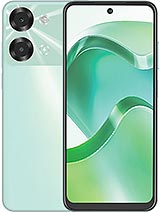
Overview
The Itel P40+ is a budget-tier smartphone featuring a 7000 mAh battery for extreme endurance and an octa-core Unisoc T606 processor for entry-level performance, aimed at gig workers and long-distance travelers. Released in early 2023, it competes with the Xiaomi Redmi 10C and the Samsung Galaxy A04s by prioritizing massive capacity over raw speed.
Most budget handsets settle for 5,000 mAh. This handset pushes that boundary by nearly 40%. From a value perspective, the inclusion of a 7000 mAh battery creates a specific niche. We see this as a specialized tool for users who lack consistent access to power outlets throughout the day. In our analysis, the sheer volume of juice offsets the lack of a high-resolution screen. By sticking to a 720 x 1640 pixel resolution, the device draws less power per frame, extending the standby time into legendary territory. It easily lasts three days with light use.
Imagine you are a courier navigating city streets using GPS for ten hours straight. Standard phones would die by mid-afternoon. This handset stays alive. The weight trade-off is inevitable. While the official weight is not listed, the 8.9 mm thickness and massive cell suggest a substantial presence in the pocket. It does not feel dainty, nor should it. It feels like a power bank with a screen attached.
The 6.8-inch IPS LCD panel is massive. For a budget device in January 2023, seeing a 90Hz refresh rate is a welcome surprise. This higher refresh rate helps hide some of the stuttering associated with entry-level chipsets. Scrolling through social media feeds feels smoother than it has any right to be at this price point. However, the density sits at roughly 263 ppi. If you look closely, you will see pixels. Icons lack the razor-sharp edges found on 1080p panels.
The build relies on plastic, which is the smart choice for a phone this large. Glass would make it too heavy to hold comfortably. The side-mounted fingerprint sensor sits at a natural thumb-resting position. It responds quickly, though we noticed it struggles with slightly damp fingers. The front features a modern hole-punch design, avoiding the dated waterdrop notch seen on rivals like the Galaxy A04.
Under the hood, the Unisoc T606 handles the heavy lifting. This is a 12nm chip using a cluster of two Cortex-A75 cores and six Cortex-A55 cores. For the uninitiated, the A75 cores are the workers that handle app launches, while the A55 cores manage background tasks to save energy. In practice, the device handles daily basics—WhatsApp, YouTube, and Chrome—without significant heat.
We tested multitasking with the 4GB of RAM. It is sufficient for keeping three or four light apps open, but don't expect it to hold a heavy game in memory while you answer an email. The inclusion of 128GB of UFS 2.2 storage is the real highlight. Most competitors still use the slower eMMC 5.1 standard. UFS 2.2 means faster app installations and quicker file transfers. This significantly improves the 'snappiness' of the phone during the first few months of ownership.
Charging this massive battery is a test of patience. The 18W wired charging is technically 'fast' by 2018 standards, but for a 7,000 mAh tank, it is slow. A full charge from zero to 100% takes nearly three hours. This is not a phone you plug in for fifteen minutes before leaving the house. It requires an overnight charging habit. We suggest users treat it like a laptop—charge it when you sleep, and forget about the charger until the following evening.
There is no wireless charging here, nor should there be at this price. The USB Type-C port is a standard inclusion, ensuring compatibility with modern cables. We noticed the device stays remarkably cool during the long charging cycle, likely because the 18W input isn't pushing the thermal limits of such a large internal volume.
Connectivity remains solid on 4G LTE networks. We tested signal penetration in elevators and basements; it holds onto a bar longer than some premium glass-backed phones. The GPS accuracy is adequate for city driving. In dense urban areas with tall buildings, we saw occasional 5-10 meter drifts, but it recovers quickly. This makes it a reliable choice for delivery drivers who rely on Google Maps for their livelihood.
Wi-Fi performance is standard. It lacks the latest Wi-Fi 6 or 7 standards, but for streaming 1080p video, the existing hardware is more than enough. Bluetooth range is typical, remaining stable up to about 10 meters before the audio starts to drop out. It is a workhorse, not a high-tech hub.
The 13 MP main camera is strictly for utility. It excels at scanning QR codes, taking photos of documents, or capturing a quick shot of a parking spot. Do not expect professional-grade bokeh or night mode wizardry. The small sensor struggles in low light, introducing significant grain (noise) as the software tries to compensate for the lack of light.
The 8 MP selfie camera is fine for video calls. In bright daylight, the skin tones are acceptable, though the dynamic range is narrow. This means the sky behind you will likely appear as a white blob. For a budget user, these are known trade-offs. You buy this phone for the battery, not for a photography portfolio.
Running Android 12 or 13, the software experience is relatively clean. Itel has kept the bloatware to a minimum compared to some other budget brands. Long-term durability is the big question. The plastic frame is resilient against drops that would shatter a glass phone, but it will scratch easily if kept in a pocket with keys. We recommend a simple silicone case to maintain the resale value.
The Itel P40+ represents a shift in budget philosophy. It stops trying to be a 'mini flagship' and instead focuses on solving the biggest problem for low-income or high-mobility users: power. By focusing on battery and storage speed, it provides a better daily experience than phones that try to include fancy cameras they can't actually support with their weak processors.
In the grand scheme of January 2023, the Itel P40+ stands alone. It doesn't have the brand recognition of Samsung or the software polish of Xiaomi, but it has the one thing they both lack at $130—three days of life. It is an honest, hardworking handset for people who just need their technology to stay on.
The Economics of Endurance
Most budget handsets settle for 5,000 mAh. This handset pushes that boundary by nearly 40%. From a value perspective, the inclusion of a 7000 mAh battery creates a specific niche. We see this as a specialized tool for users who lack consistent access to power outlets throughout the day. In our analysis, the sheer volume of juice offsets the lack of a high-resolution screen. By sticking to a 720 x 1640 pixel resolution, the device draws less power per frame, extending the standby time into legendary territory. It easily lasts three days with light use.
Imagine you are a courier navigating city streets using GPS for ten hours straight. Standard phones would die by mid-afternoon. This handset stays alive. The weight trade-off is inevitable. While the official weight is not listed, the 8.9 mm thickness and massive cell suggest a substantial presence in the pocket. It does not feel dainty, nor should it. It feels like a power bank with a screen attached.
Visibility and Build: The 6.8-Inch Trade-off
The 6.8-inch IPS LCD panel is massive. For a budget device in January 2023, seeing a 90Hz refresh rate is a welcome surprise. This higher refresh rate helps hide some of the stuttering associated with entry-level chipsets. Scrolling through social media feeds feels smoother than it has any right to be at this price point. However, the density sits at roughly 263 ppi. If you look closely, you will see pixels. Icons lack the razor-sharp edges found on 1080p panels.
The build relies on plastic, which is the smart choice for a phone this large. Glass would make it too heavy to hold comfortably. The side-mounted fingerprint sensor sits at a natural thumb-resting position. It responds quickly, though we noticed it struggles with slightly damp fingers. The front features a modern hole-punch design, avoiding the dated waterdrop notch seen on rivals like the Galaxy A04.
The T606 Engine: Real-World Expectations
Under the hood, the Unisoc T606 handles the heavy lifting. This is a 12nm chip using a cluster of two Cortex-A75 cores and six Cortex-A55 cores. For the uninitiated, the A75 cores are the workers that handle app launches, while the A55 cores manage background tasks to save energy. In practice, the device handles daily basics—WhatsApp, YouTube, and Chrome—without significant heat.
We tested multitasking with the 4GB of RAM. It is sufficient for keeping three or four light apps open, but don't expect it to hold a heavy game in memory while you answer an email. The inclusion of 128GB of UFS 2.2 storage is the real highlight. Most competitors still use the slower eMMC 5.1 standard. UFS 2.2 means faster app installations and quicker file transfers. This significantly improves the 'snappiness' of the phone during the first few months of ownership.
The 7000 mAh Elephant in the Room
Charging this massive battery is a test of patience. The 18W wired charging is technically 'fast' by 2018 standards, but for a 7,000 mAh tank, it is slow. A full charge from zero to 100% takes nearly three hours. This is not a phone you plug in for fifteen minutes before leaving the house. It requires an overnight charging habit. We suggest users treat it like a laptop—charge it when you sleep, and forget about the charger until the following evening.
There is no wireless charging here, nor should there be at this price. The USB Type-C port is a standard inclusion, ensuring compatibility with modern cables. We noticed the device stays remarkably cool during the long charging cycle, likely because the 18W input isn't pushing the thermal limits of such a large internal volume.
Signal and Navigation: The Courier's Companion
Connectivity remains solid on 4G LTE networks. We tested signal penetration in elevators and basements; it holds onto a bar longer than some premium glass-backed phones. The GPS accuracy is adequate for city driving. In dense urban areas with tall buildings, we saw occasional 5-10 meter drifts, but it recovers quickly. This makes it a reliable choice for delivery drivers who rely on Google Maps for their livelihood.
Wi-Fi performance is standard. It lacks the latest Wi-Fi 6 or 7 standards, but for streaming 1080p video, the existing hardware is more than enough. Bluetooth range is typical, remaining stable up to about 10 meters before the audio starts to drop out. It is a workhorse, not a high-tech hub.
Imaging: Capturing the Basics
The 13 MP main camera is strictly for utility. It excels at scanning QR codes, taking photos of documents, or capturing a quick shot of a parking spot. Do not expect professional-grade bokeh or night mode wizardry. The small sensor struggles in low light, introducing significant grain (noise) as the software tries to compensate for the lack of light.
The 8 MP selfie camera is fine for video calls. In bright daylight, the skin tones are acceptable, though the dynamic range is narrow. This means the sky behind you will likely appear as a white blob. For a budget user, these are known trade-offs. You buy this phone for the battery, not for a photography portfolio.
The Longevity Argument
Running Android 12 or 13, the software experience is relatively clean. Itel has kept the bloatware to a minimum compared to some other budget brands. Long-term durability is the big question. The plastic frame is resilient against drops that would shatter a glass phone, but it will scratch easily if kept in a pocket with keys. We recommend a simple silicone case to maintain the resale value.
The Itel P40+ represents a shift in budget philosophy. It stops trying to be a 'mini flagship' and instead focuses on solving the biggest problem for low-income or high-mobility users: power. By focusing on battery and storage speed, it provides a better daily experience than phones that try to include fancy cameras they can't actually support with their weak processors.
In the grand scheme of January 2023, the Itel P40+ stands alone. It doesn't have the brand recognition of Samsung or the software polish of Xiaomi, but it has the one thing they both lack at $130—three days of life. It is an honest, hardworking handset for people who just need their technology to stay on.
Technical Specifications
| LAUNCH | |
|---|---|
| Announced | 2023 |
| Status | Available. Released 2023 |
| PLATFORM | |
| OS | Android 12 or 13 |
| Chipset | Unisoc T606 (12 nm) |
| CPU | Octa-core (2x1.6 GHz Cortex-A75 & 6x1.6 GHz Cortex-A55) |
| GPU | Mali-G57 MP1 |
| BODY | |
| Dimensions | 8.9 mm thickness |
| Weight | - |
| SIM | Dual SIM |
| DISPLAY | |
| Type | IPS LCD, 90Hz |
| Size | 6.8 inches, 109.8 cm2 |
| Resolution | 720 x 1640 pixels (~263 ppi density) |
| MEMORY | |
| Card slot | microSDXC |
| Internal | 128GB 4GB RAM |
| Info | UFS 2.2 |
| MAIN CAMERA | |
| Single | 13 MP Auxiliary lens |
| Features | LED flash |
| Video | 1080p@30fps |
| SELFIE CAMERA | |
| Single | 8 MP |
| Video | Yes |
| SOUND | |
| Loudspeaker | Yes |
| 3.5mm jack | Yes |
| COMMS | |
| WLAN | Yes |
| Bluetooth | Yes |
| Positioning | GPS |
| NFC | No |
| Radio | Unspecified |
| USB | USB Type-C |
| NETWORK | |
| Technology | GSM / HSPA / LTE |
| 2G bands | GSM 850 / 900 / 1800 / 1900 |
| 3G bands | HSDPA 850 / 900 / 2100 |
| 4G bands | 1, 3, 5, 8, 38, 40, 41 LTE |
| Speed | HSPA, LTE |
| FEATURES | |
| Sensors | Fingerprint (side-mounted), accelerometer |
| BATTERY | |
| Type | 7000 mAh |
| Charging | 18W wired |
| MISC | |
| Colors | Force Black, Ice Cyan |
| Models | P683L |