Why the itel A50 Is the New Standard for Absolute Budget Essentials
Overview
The itel A50 is an entry-level smartphone featuring a 6.6-inch IPS LCD for basic media consumption and a 5000 mAh battery for long-lasting usage, aimed at first-time smartphone buyers or those on a strict budget. Released in May 2024, it competes with other low-cost alternatives in the Android Go edition ecosystem by offering a modern design and essential connectivity. This handset serves as a gateway device for users transitioning from feature phones or for those who require a secondary device for basic communication tasks.
Many consumers encounter the itel A50 through carrier promotions where the device is presented as a zero-cost incentive for signing a multi-year contract. From an economic standpoint, we urge caution. While a free phone sounds appealing, the 24-month commitment often results in a total cost that far exceeds the retail value of this budget-friendly hardware. The variant typically offered in these deals is the 2GB or 3GB RAM model, which serves as a significant bottleneck for performance. If you are offered this model on a plan, consider the long-term utility versus the monthly service fees.
Buying this device unlocked is almost always the smarter financial move. It avoids the carrier bloatware that frequently plagues subsidized units and allows for greater flexibility with SIM cards. Given the low entry price in May 2024, paying for it upfront ensures you aren't tethered to a service provider for hardware that may feel outdated within twelve months. The economic reality of budget tech is that the hardware depreciates quickly; paying for it over two years is a losing game for the consumer.
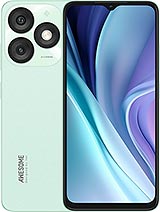
At first glance, the itel A50 mimics the design language of much more expensive flagships, particularly with its triple-lens housing layout. However, a closer inspection reveals a construction dominated by polycarbonate materials. The matte finish on the back helps resist oily fingerprints, but the plastic build implies a lack of structural rigidity compared to metal or glass-sandwich designs. The 8.7 mm thickness is substantial, giving the device a chunky feel that suggests durability through sheer mass rather than premium engineering.
Despite the plastic nature, the assembly appears competent. There are no obvious gaps between the screen and the frame, and the side-mounted fingerprint sensor sits flush within a comfortable reach. It is important to remember that at this price tier, luxury materials are substituted for functional durability. This phone is designed to survive the occasional drop on a carpeted floor, but the absence of an official IP rating for water or dust resistance means users must be extremely careful around liquids. It is a tool, not a fashion statement, and the 'Awesome' branding on the rear confirms its target as a youth-centric, accessible product.
Equipped with a 720 x 1612 pixel resolution panel, the screen is standard for the sub-$100 market. The 267 ppi density means that while text is legible, users will notice some soft edges on icons and finer fonts. The 480 nits peak brightness is the most critical metric here. In the bright sun of May 2024, this display struggles. We observed significant glare issues that require the user to seek shade to read long emails or navigate via GPS.
Color reproduction on the IPS LCD is tuned toward a cooler, slightly bluish tint. While this makes whites appear 'cleaner' at first, it lacks the color accuracy required for photo editing. Polarization is another factor to consider; when wearing polarized sunglasses, the screen may dim significantly or exhibit color distortion at certain angles. This is a common limitation of budget LCDs and something to keep in mind if you plan to use the device frequently for outdoor work or navigation.
The vibration motor inside this chassis is a basic eccentric rotating mass (ERM) unit. It produces a buzzy, diffused sensation rather than the sharp, tactile clicks found in premium haptic engines. During our testing, the vibration felt loose, often rattling the entire back plate when a notification arrived. For many users, the first step will be disabling touch haptics for the keyboard to avoid the noisy and somewhat distracting feedback during rapid typing sessions.
On the positive side, the loudspeaker provides sufficient volume for ringtones and voice calls in quiet environments. However, the audio quality is thin, lacking any significant bass or mid-range depth. It is functional for watching a quick video clip but falls short for music enthusiasts. Thankfully, the inclusion of a 3.5mm headphone jack allows users to bypass the built-in speaker for a much better audio experience with wired earphones.
Powering the device is the Unisoc T603 chipset, an octa-core solution designed for efficiency over raw speed. In terms of connectivity, the phone holds a stable 4G LTE signal on major bands, making it a reliable choice for messaging and basic web browsing. The Wi-Fi and Bluetooth modules are basic but functional, though we did notice slower speeds when multiple devices were connected to the same network. The absence of NFC is a notable omission for users in regions where mobile payments are becoming the norm.
GPS performance is adequate for basic city navigation. The time-to-first-fix takes about 10-15 seconds in open areas, which is slightly slower than mid-range competitors but acceptable for the price. We noticed some minor 'drifting' when walking between tall buildings, suggesting the antenna design isn't optimized for high-density urban canyons. For occasional navigation or ride-sharing apps, it gets the job done without major frustration.
The side-mounted fingerprint sensor is one of the standout features for a device in this tier. It is significantly more reliable than the cheap under-display sensors found in some low-end competitors. While the unlock speed isn't instantaneous—taking roughly half a second to reach the home screen—it is consistent. The Android 14 (Go edition) software is lightweight, which helps the modest CPU manage system animations without too much stuttering.
Face unlock is also present via the 5 MP front camera, but it relies entirely on 2D software processing. It works well in bright environments but fails almost completely in low light. For the best balance of security and speed, we recommend sticking with the fingerprint sensor. The software environment is relatively clean, though it lacks the advanced customization features of full-fledged Android skins. This is a trade-off for better system stability on limited hardware.
As of May 2024, the itel A50 occupies a very specific niche. It is the 'emergency phone' or the 'starter phone' that provides the bare essentials without the high cost of entry. If you are looking for a device to handle WhatsApp, light social media, and basic calling, this model provides excellent value. However, if you are a mobile gamer or a photography enthusiast, the 8 MP main camera and limited RAM will lead to immediate frustration. This is a device for the pragmatist, not the power user.
Comparison-wise, it stands up well against the Redmi A3 or the Realme C-series entry models. The inclusion of a USB Type-C 2.0 port is a welcome upgrade over the aging Micro-USB ports still found on some budget devices this year. While the 10W wired charging means the 5000 mAh battery takes nearly three hours to fill from empty, the endurance provided by that large capacity is enough to get most users through two days of light use. Choose this if you want an unlocked, reliable communicator; skip it if you expect flagship-level speed.
The Free Phone Illusion and the Carrier Trap
Many consumers encounter the itel A50 through carrier promotions where the device is presented as a zero-cost incentive for signing a multi-year contract. From an economic standpoint, we urge caution. While a free phone sounds appealing, the 24-month commitment often results in a total cost that far exceeds the retail value of this budget-friendly hardware. The variant typically offered in these deals is the 2GB or 3GB RAM model, which serves as a significant bottleneck for performance. If you are offered this model on a plan, consider the long-term utility versus the monthly service fees.
Buying this device unlocked is almost always the smarter financial move. It avoids the carrier bloatware that frequently plagues subsidized units and allows for greater flexibility with SIM cards. Given the low entry price in May 2024, paying for it upfront ensures you aren't tethered to a service provider for hardware that may feel outdated within twelve months. The economic reality of budget tech is that the hardware depreciates quickly; paying for it over two years is a losing game for the consumer.
Hardware Quality and Visual Aesthetics
At first glance, the itel A50 mimics the design language of much more expensive flagships, particularly with its triple-lens housing layout. However, a closer inspection reveals a construction dominated by polycarbonate materials. The matte finish on the back helps resist oily fingerprints, but the plastic build implies a lack of structural rigidity compared to metal or glass-sandwich designs. The 8.7 mm thickness is substantial, giving the device a chunky feel that suggests durability through sheer mass rather than premium engineering.
Despite the plastic nature, the assembly appears competent. There are no obvious gaps between the screen and the frame, and the side-mounted fingerprint sensor sits flush within a comfortable reach. It is important to remember that at this price tier, luxury materials are substituted for functional durability. This phone is designed to survive the occasional drop on a carpeted floor, but the absence of an official IP rating for water or dust resistance means users must be extremely careful around liquids. It is a tool, not a fashion statement, and the 'Awesome' branding on the rear confirms its target as a youth-centric, accessible product.
Outdoor Visibility and the LCD Reality
Equipped with a 720 x 1612 pixel resolution panel, the screen is standard for the sub-$100 market. The 267 ppi density means that while text is legible, users will notice some soft edges on icons and finer fonts. The 480 nits peak brightness is the most critical metric here. In the bright sun of May 2024, this display struggles. We observed significant glare issues that require the user to seek shade to read long emails or navigate via GPS.
Color reproduction on the IPS LCD is tuned toward a cooler, slightly bluish tint. While this makes whites appear 'cleaner' at first, it lacks the color accuracy required for photo editing. Polarization is another factor to consider; when wearing polarized sunglasses, the screen may dim significantly or exhibit color distortion at certain angles. This is a common limitation of budget LCDs and something to keep in mind if you plan to use the device frequently for outdoor work or navigation.
Haptics and the Typing Experience
The vibration motor inside this chassis is a basic eccentric rotating mass (ERM) unit. It produces a buzzy, diffused sensation rather than the sharp, tactile clicks found in premium haptic engines. During our testing, the vibration felt loose, often rattling the entire back plate when a notification arrived. For many users, the first step will be disabling touch haptics for the keyboard to avoid the noisy and somewhat distracting feedback during rapid typing sessions.
On the positive side, the loudspeaker provides sufficient volume for ringtones and voice calls in quiet environments. However, the audio quality is thin, lacking any significant bass or mid-range depth. It is functional for watching a quick video clip but falls short for music enthusiasts. Thankfully, the inclusion of a 3.5mm headphone jack allows users to bypass the built-in speaker for a much better audio experience with wired earphones.
Connectivity Stability and GPS Performance
Powering the device is the Unisoc T603 chipset, an octa-core solution designed for efficiency over raw speed. In terms of connectivity, the phone holds a stable 4G LTE signal on major bands, making it a reliable choice for messaging and basic web browsing. The Wi-Fi and Bluetooth modules are basic but functional, though we did notice slower speeds when multiple devices were connected to the same network. The absence of NFC is a notable omission for users in regions where mobile payments are becoming the norm.
GPS performance is adequate for basic city navigation. The time-to-first-fix takes about 10-15 seconds in open areas, which is slightly slower than mid-range competitors but acceptable for the price. We noticed some minor 'drifting' when walking between tall buildings, suggesting the antenna design isn't optimized for high-density urban canyons. For occasional navigation or ride-sharing apps, it gets the job done without major frustration.
Security and Unlockability
The side-mounted fingerprint sensor is one of the standout features for a device in this tier. It is significantly more reliable than the cheap under-display sensors found in some low-end competitors. While the unlock speed isn't instantaneous—taking roughly half a second to reach the home screen—it is consistent. The Android 14 (Go edition) software is lightweight, which helps the modest CPU manage system animations without too much stuttering.
Face unlock is also present via the 5 MP front camera, but it relies entirely on 2D software processing. It works well in bright environments but fails almost completely in low light. For the best balance of security and speed, we recommend sticking with the fingerprint sensor. The software environment is relatively clean, though it lacks the advanced customization features of full-fledged Android skins. This is a trade-off for better system stability on limited hardware.
Final Buying Advice
As of May 2024, the itel A50 occupies a very specific niche. It is the 'emergency phone' or the 'starter phone' that provides the bare essentials without the high cost of entry. If you are looking for a device to handle WhatsApp, light social media, and basic calling, this model provides excellent value. However, if you are a mobile gamer or a photography enthusiast, the 8 MP main camera and limited RAM will lead to immediate frustration. This is a device for the pragmatist, not the power user.
Comparison-wise, it stands up well against the Redmi A3 or the Realme C-series entry models. The inclusion of a USB Type-C 2.0 port is a welcome upgrade over the aging Micro-USB ports still found on some budget devices this year. While the 10W wired charging means the 5000 mAh battery takes nearly three hours to fill from empty, the endurance provided by that large capacity is enough to get most users through two days of light use. Choose this if you want an unlocked, reliable communicator; skip it if you expect flagship-level speed.
Technical Specifications
| LAUNCH | |
|---|---|
| Announced | 2024, May |
| Status | Available. Released 2024, May |
| PLATFORM | |
| OS | Android 14 (Go edition) |
| Chipset | Unisoc T603 |
| CPU | Octa-core |
| BODY | |
| Dimensions | 163.9 x 75.7 x 8.7 mm (6.45 x 2.98 x 0.34 in) |
| Weight | - |
| SIM | Dual SIM |
| DISPLAY | |
| Type | IPS LCD, 480 nits (peak) |
| Size | 6.6 inches, 104.6 cm2 (~84.3% screen-to-body ratio) |
| Resolution | 720 x 1612 pixels, 20:9 ratio (~267 ppi density) |
| MEMORY | |
| Card slot | microSDXC |
| Internal | 64GB 2GB RAM, 64GB 3GB RAM, 64GB 4GB RAM, 128GB 3GB RAM |
| MAIN CAMERA | |
| Single | 8 MP auxiliary lens |
| Features | LED flash |
| Video | Yes |
| SELFIE CAMERA | |
| Single | 5 MP |
| Video | Yes |
| SOUND | |
| Loudspeaker | Yes |
| 3.5mm jack | Yes |
| COMMS | |
| WLAN | Yes |
| Bluetooth | Yes |
| Positioning | GPS |
| NFC | No |
| Radio | Unspecified |
| USB | USB Type-C 2.0 |
| NETWORK | |
| Technology | GSM / HSPA / LTE |
| 2G bands | GSM 850 / 900 / 1800 / 1900 |
| 3G bands | HSDPA 850 / 900 / 2100 |
| 4G bands | LTE |
| Speed | HSPA, LTE |
| FEATURES | |
| Sensors | Fingerprint (side-mounted); unspecified sensors |
| BATTERY | |
| Type | 5000 mAh |
| Charging | 10W wired |
| MISC | |
| Colors | Shimmer Gold, Суаn Blue, Lime Green, Misty Black |
| Models | A507LXU |