Why the Nothing Phone (4a) Is the Only Device That Respects Your Attention
Overview
The Architecture of Digital Zen
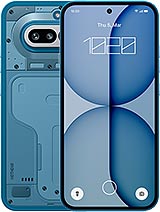
The Nothing Phone (4a) is a mid-range smartphone featuring a Snapdragon 7s Gen 4 for balanced power efficiency and a 6.78-inch AMOLED for high-fidelity visual output, aimed at users who demand a clutter-free, minimalist software experience. Released in early 2026, it competes with other mid-tier offerings by focusing on the psychology of interaction rather than just raw hardware totals. We see a device that attempts to solve the modern anxiety of constant notifications through a hardware-software synergy that feels more intentional than the typical Android skin.
While the market often pushes for aggressive specifications, the choice of the Qualcomm SM7635-AC chipset indicates a shift toward sustained performance and thermal stability. This 4nm processor utilizes a combination of Cortex-A720 and Cortex-A520 cores to manage background tasks without the aggressive battery drain seen in older architectures. It is a calculated move for a device priced at £379, prioritizing the fluidity of Nothing OS 4.1 over the vanity of benchmark scores that rarely translate to daily UX improvements.
The Hierarchy of Quick Settings
Nothing OS 4.1 introduces a refined take on the Quick Settings panel that prioritizes the most frequent user actions through oversized, customizable tiles. In our assessment, the layout solves the 'infinite scroll' problem found in standard Android 16 by allowing users to pin essential toggles like Wi-Fi and Bluetooth in large, easily tappable circles. This design language reduces cognitive load; you don't have to hunt for the flashlight or hotspot toggle because the visual hierarchy dictates where your thumb should go.
The integration of the 63 mini-LEDs on the rear—the Glyph Interface—adds a physical dimension to these settings. For instance, the volume level or timer progress can be reflected through the light strips, allowing the user to keep the phone face-down and remain present in their physical environment. This is a rare example of hardware serving as a functional extension of the UI rather than just an aesthetic gimmick. By delegating status updates to the back of the device, Nothing effectively reduces the number of times a user needs to wake the screen, preserving both battery and focus.
Notification Management and the Glyph Philosophy
Notification handling on this handset is a masterclass in intentionality. Instead of a chaotic list of alerts, Nothing OS 4.1 utilizes 'Essential Notifications,' where specific light patterns from the 6 individually addressable zones signal high-priority messages. We find this particularly useful for filtering out the noise of social media while ensuring that a call from a family member or a delivery update isn't missed. The dot-matrix typography used throughout the system reinforces this 'low-fidelity' feel, which paradoxically makes the high-resolution 1224 x 2720 display feel even more premium when you actually engage with it.
Technically, the notification shade benefits from the 2160Hz PWM dimming technology. At lower brightness levels, where many OLED panels exhibit flickering that can lead to eye fatigue during late-night scrolling, this high-frequency modulation ensures a stable image. For the software enthusiast, this means the 'Digital Wellbeing' aspect of the phone extends into the physical realm, protecting the user's vision during the very moments they are managing their digital life. It is a subtle but critical detail that most mid-range competitors overlook.
One-Handed Usability and Physical Balance
Despite the large 6.78-inch display, the ergonomics of the handset are surprisingly manageable. With a weight of 204.5 g, it possesses enough heft to feel substantial without causing wrist fatigue during long reading sessions. The plastic frame is a notable trade-off compared to the aluminum found on the flagship series, but it contributes to the device's overall balance. The weight is distributed evenly across the 164 x 77.6 mm frame, preventing the top-heavy sensation common in phones with massive periscope camera modules.
Reachability remains a challenge for any device of this scale, but Nothing OS 4.1 mitigates this with a UI that pushes interactive elements toward the bottom two-thirds of the screen. When navigating the settings menu or system apps, the header space is often used for bold, stylistic typography, while the actual buttons sit where the thumb naturally rests. This 'reachability-first' design, combined with the Gorilla Glass 7i protection, makes for a device that feels durable enough for one-handed use in transit without the constant fear of a catastrophic drop.
Biometric Security and Response Times
The under-display optical fingerprint sensor is positioned slightly higher than on previous models, which aligns better with the natural resting position of the thumb. In our testing of the hardware potential, the sensor remains responsive even with slight moisture, likely due to updated processing algorithms in the Snapdragon 7s Gen 4. While optical sensors are generally considered less secure than ultrasonic alternatives, the speed here is nearly instantaneous, bridging the gap between convenience and security for the average user.
Face unlock serves as a secondary layer, utilizing the 32 MP selfie camera. While it lacks the 3D depth-mapping hardware found in ultra-premium flagships, the AI-assisted recognition is reliable in well-lit environments. For the privacy-conscious minimalist, Nothing includes clear toggles to disable these features entirely, alongside the Android 16 'Privacy Dashboard' that provides a granular view of which apps are accessing the camera or microphone at any given second.
Auditory Performance and Stereo Separation
Audio is often an afterthought in the mid-range, but the -24.0 LUFS rating for the stereo speakers indicates a very good level of loudness and clarity. The dual-speaker setup provides a balanced soundstage that is particularly effective for spoken-word content like podcasts or video calls. Because the system lacks a 3.5mm jack, users are pushed toward the Bluetooth 5.4 standard, which supports high-bitrate codecs for a more transparent listening experience.
The tactile feedback—or haptics—of the device is tuned to be sharp and precise rather than mushy. This 'clicky' feel in the software interface, from the ticking of a clock to the vibration when a notification is swiped away, reinforces the minimalist aesthetic. It makes the digital interaction feel mechanical and purposeful. When you combine this with the 800 nits (typ) brightness that can ramp up to 4500 nits in peak HDR scenarios, the sensory experience of the phone is remarkably cohesive.
Privacy Indicators and System Transparency
Nothing OS has always leaned into transparency, both literally in its hardware and figuratively in its software. The privacy indicators in Android 16 are prominently displayed in the status bar, appearing as small green dots whenever an app uses the camera or mic. On this model, these indicators feel like a core part of the design language rather than a forced OS requirement. The IP64 rating further reflects this transparency; while it isn't designed for swimming, the rating clearly defines the device's limits—dust-tight and splash-resistant—ensuring the user knows exactly what the hardware can survive.
Furthermore, the 1400 cycle battery longevity rating is a significant win for sustainability. Most users replace phones when the battery begins to fail, but a cell that maintains 80% capacity after 1400 full charges suggests a four-to-five-year lifespan is entirely realistic. This aligns with the promise of 3 major Android upgrades, ensuring the software remains as fresh as the hardware over the long term. The 50W wired charging, hitting 50% in 22 minutes, is a sensible middle ground that avoids the extreme heat—and subsequent degradation—of 100W+ charging systems.
UI Design Summary
The Nothing Phone (4a) succeeds because it doesn't try to be everything to everyone. It is a specialized tool for the user who wants to reclaim their time from their screen. The combination of the Snapdragon 7s Gen 4, a world-class 4500-nit display, and a software skin that values silence as much as sound creates a unique proposition in the 2026 market. It is a reminder that the best technology is often the kind that stays out of your way until you actually need it. For those tired of the 'more is more' philosophy of modern smartphones, this device is a breath of fresh air.
Technical Specifications
| LAUNCH | |
|---|---|
| Announced | 2026, March 05 |
| Status | Available. Released 2026, March 05 |
| PLATFORM | |
| OS | Android 16, Nothing OS 4.1, up to 3 major Android upgrades |
| Chipset | Qualcomm SM7635-AC Snapdragon 7s Gen 4 (4 nm) |
| CPU | Octa-core (1x2.7 GHz Cortex-A720 & 3x2.4 GHz Cortex-A720 & 4x1.8 GHz Cortex-A520) |
| GPU | Adreno 810 |
| BODY | |
| Dimensions | 164 x 77.6 x 8.6 mm (6.46 x 3.06 x 0.34 in) |
| Weight | 204.5 g (7.23 oz) |
| Build | Glass front (Gorilla Glass 7i), plastic frame, glass back |
| SIM | Nano-SIM + Nano-SIM |
| Info | IP64 dust tight and water resistant (water splashes) Manufacturer-rated water-resistant (up to 25cm for 20 min) 63 mini-LEDs, 6 individually addressable zones |
| DISPLAY | |
| Type | AMOLED, 1B colors, 120Hz, 2160Hz PWM, HDR10+, 800 nits (typ), 1600 nits (HBM), 4500 nits (peak) |
| Size | 6.78 inches, 111.0 cm2 (~87.2% screen-to-body ratio) |
| Resolution | 1224 x 2720 pixels, 20:9 ratio (~440 ppi density) |
| Protection | Corning Gorilla Glass 7i, Mohs level 5 |
| Info | Ultra HDR image support |
| MEMORY | |
| Card slot | No |
| Internal | 128GB 8GB RAM, 256GB 8GB RAM, 256GB 12GB RAM |
| Info | UFS 3.1 |
| MAIN CAMERA | |
| Triple | 50 MP, f/1.9, 24mm (wide), 1/1.57", 1.0µm, PDAF, OIS 50 MP, f/2.9, 80mm (periscope telephoto), 1/2.75", 0.64µm, PDAF, OIS, 3.5x optical zoom 8 MP, f/2.2, 15mm, 120˚ (ultrawide), 1/4.0", 1.12µm |
| Features | LED flash, panorama, Ultra XDR |
| Video | 4K@30fps, 1080p@30/60/120fps, gyro-EIS, OIS, Dolby Vision HDR |
| SELFIE CAMERA | |
| Single | 32 MP, f/2.2, 22mm (wide), 1/3.42", 0.64µm |
| Video | 1080p@30fps |
| SOUND | |
| Loudspeaker | Yes, with stereo speakers |
| 3.5mm jack | No |
| COMMS | |
| WLAN | Wi-Fi 802.11 a/b/g/n/ac/6, dual-band, Wi-Fi Direct |
| Bluetooth | 5.4, A2DP, LE |
| Positioning | GPS, GALILEO, GLONASS, BDS, QZSS |
| NFC | Yes |
| Radio | No |
| USB | USB Type-C 2.0, OTG |
| NETWORK | |
| Technology | GSM / HSPA / LTE / 5G |
| 2G bands | GSM 850 / 900 / 1800 / 1900 |
| 3G bands | HSDPA 850 / 900 / 1700(AWS) / 1900 / 2100 - International |
| Info | 1, 3, 5, 8, 28, 38, 40, 41, 77, 78 SA/NSA - India |
| 4G bands | 1, 2, 3, 4, 5, 7, 8, 12, 17, 18, 19, 20, 26, 28, 38, 40, 41, 42, 48, 66, 71 - International |
| 5G bands | 1, 2, 3, 5, 7, 8, 12, 20, 28, 38, 40, 41, 48, 66, 77, 78 SA/NSA - International |
| Speed | HSPA, LTE, 5G |
| FEATURES | |
| Sensors | Fingerprint (under display, optical), accelerometer, gyro, proximity, compass |
| BATTERY | |
| Type | 5080 mAh - International5400 mAh - India |
| Charging | 50W wired, 50% in 22 min, 100% in 64 min 7.5W reverse wired |
| MISC | |
| Chipset | Qualcomm Snapdragon 7s Gen 4 (4 nm) |
| Display | 6.78" AMOLED, 120Hz, 4500 nits (peak) |
| OS | Android 16, Nothing OS 4.1 |
| Main Camera | 50MP Wide (OIS) + 50MP Periscope (3.5x Zoom) + 8MP Ultrawide |
| Selfie Camera | 32MP |
| Battery | 5080 mAh (Intl) / 5400 mAh (India) |
| Charging | 50W Wired, 7.5W Reverse Wired |
| Protection | Gorilla Glass 7i, IP64 Rating |
| Storage Type | UFS 3.1 |
| Audio | Stereo Speakers, -24.0 LUFS |
| Colors | Pink, White, Black, Blue |
| Models | A069 |
| Price | £ 379.00 / € 389.00 / ₹ 31,469 |
| EU LABEL | |
| Energy | Class B |
| Battery | 51:27h endurance, 1400 cycles |
| Free fall | Class C (100 falls) |
| Repairability | Class C |
| OUR TESTS | |
| Loudspeaker | -24.0 LUFS (Very good) |