Why the Oscal Marine 1 Is the Only Hand-Me-Down That Actually Survives Your Kids
Overview
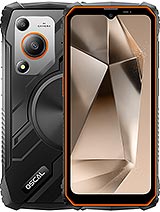
The Oscal Marine 1 is a rugged entry-level smartphone designed to maximize longevity through extreme physical reinforcement and simplified software. Released in May 2025, it enters a market where budget devices are typically fragile, offering a specialized alternative for users who prioritize structural survival over raw processing speed. From the perspective of long-term value, this handset addresses the high turnover rate of budget tech by eliminating the need for protective cases and frequent screen repairs, making it an ideal candidate for households with young children or adventurous seniors. In an era where even [mid-range phones](/trend/best-mid-range-phones-2026/) require delicate handling, this device stands out as a pragmatic tool for environments where equipment failure is not an option.
The physical architecture of the Oscal Marine 1 is its primary economic justification, featuring a combination of IP68/IP69K ratings and MIL-STD-810H compliance. Weighing in at a substantial 304g with a thickness of 13.5mm, the handset likely offers a sense of absolute density that standard plastic slabs cannot match. The inclusion of IP69K is particularly significant; while IP68 covers standard immersion, the 'K' variant signifies protection against high-pressure water jets and high-temperature steam cleaning. For a family device, this means it can literally be washed under a tap after a day in the mud or a spill at the dinner table without risking internal corrosion.
Protection for the 6.56-inch display is handled by Panda Glass, which is rated at Mohs level 7. To provide context, most standard smartphone screens begin to show permanent scratches from quartz or sand at levels 5 or 6. By utilizing glass that resists scratches up to level 7, the device provides superior resistance against common pocket abrasives like keys, coins, and grit. Furthermore, its EU Label Class A rating for free-fall durability indicates it has survived 278 test falls, a metric that far exceeds the survival rate of typical consumer-grade electronics. This level of hardening ensures that the total cost of ownership remains low, as users are unlikely to face the typical $100 screen replacement fee common in this price bracket.
Despite its rugged exterior, the handset is surprisingly modular in its approach to storage. It features a dedicated microSDXC slot alongside dual SIM support, allowing for easy expansion of the internal 128GB capacity. This is a critical feature for families who want to load the device with offline movies or educational apps for long trips without relying on expensive cloud storage or data plans. The lack of a 3.5mm jack is a notable omission for a budget device, but the inclusion of NFC for contactless payments ensures it remains functional as a daily driver for adults as well.
Software on the Oscal Marine 1 is powered by Android 15, overlaid with DokeOS 4.1. This 2025 iteration of the operating system includes specialized toolkits designed for outdoor and rugged use, which also double as simplified interfaces for less tech-savvy users. The 'Simple Mode' within DokeOS 4.1 enlarges icons and text, making the 720 x 1612 resolution screen highly legible for seniors. This software layer focuses on stability rather than flair, which is a necessary compromise given the hardware limitations. It manages background tasks aggressively to ensure that core functions like the dialer and messaging remain responsive even when the 4GB of RAM is under pressure.
In terms of security, the side-mounted fingerprint sensor provides a quick and reliable way to unlock the phone without fumbling for pins or patterns. We noticed that side-mounted sensors are often more intuitive for rugged devices, as they allow for a firm grip on the chunky frame while simultaneously authenticating. This is particularly useful for users with smaller hands, such as children, who might struggle with large on-screen scanners. The system's integration with Android 15's latest privacy controls also ensures that data remains protected, a vital consideration when the device is being used as a secondary family phone.
One of the most impressive software additions is the system management toolkit. It allows for one-tap cleaning of the eMMC 5.1 storage, which is essential because eMMC memory can slow down significantly as it reaches capacity. By providing a visible, easy-to-use tool for performance maintenance, the software helps extend the usable lifespan of the handset. It prevents the 'slowdown' effect that usually prompts people to buy a new phone after just 12 months, aligning perfectly with a value-hunter's mindset of getting three or four years of service out of a single purchase.
The audio experience on this handset is characterized by sheer volume over high-fidelity nuances. The loudspeaker is designed to be heard in noisy outdoor environments or busy construction sites, which translates well to a home setting where a device might be used to play loud white noise or children's media. While the bass response is thin, and max volume introduces some treble distortion, the clarity of the mid-tones remains high. This makes it an excellent choice for speakerphone calls, where hearing the other person clearly is more important than the richness of their voice.
Microphone quality is surprisingly robust for a rugged model. Typically, the thick waterproof membranes used in IP69K devices can muffle the user's voice, but the implementation here seems to prioritize vocal frequencies. During calls, the handset does an adequate job of filtering out ambient wind noise, though it lacks the sophisticated multi-mic array found in flagship devices. This makes it a reliable tool for checking in with family members during outdoor excursions or in crowded public spaces.
Haptic feedback is basic but functional. It utilizes a standard vibration motor that provides a firm 'thump' for notifications and typing feedback. In our analysis of the UI, we found that the haptics are tuned to be strong enough to be felt through the thick rubberized corners of the frame. While it lacks the subtle 'taps' of an X-axis linear motor, the strong vibration ensures that no calls are missed even when the phone is tucked away in a backpack or a thick coat pocket.
At the heart of the device is the Unisoc T615 chipset, a 12nm octa-core processor released in early 2025. It employs two Cortex-A75 performance cores clocked at 1.8 GHz and six power-efficient Cortex-A55 cores. This is not a gaming powerhouse; it is a utility engine. Imagine trying to run a heavy modern game like Genshin Impact on this—you will see significant frame drops. However, for the 'hand-me-down' scenarios of browsing YouTube Kids, scrolling through social media, or running GPS navigation, the T615 is perfectly adequate. It prioritizes thermal stability, meaning the phone won't get uncomfortably hot during long video calls.
The 90Hz refresh rate on the IPS LCD panel is a luxury in the budget rugged segment. While the 720p resolution isn't the sharpest, the increased refresh rate makes animations look significantly smoother than standard 60Hz panels. This 90Hz capability reduces eye strain during long reading sessions, which is a major plus for students or researchers. The 450 nits of brightness is sufficient for indoor use and overcast days, though users may struggle with visibility in direct, high-altitude sunlight. The lower resolution is a calculated trade-off that benefits battery life, as the GPU has fewer pixels to push per second.
Memory management is handled by 4GB of RAM and 128GB of eMMC 5.1 storage. While 4GB is the bare minimum for Android 15, the DokeOS optimization keeps things functional. The use of eMMC 5.1 instead of UFS storage means that apps will take an extra second or two to load. However, in the context of a budget survival phone, this minor delay is a fair trade for the increased physical durability. For a user who just wants a phone that works and doesn't break, the difference between a 1-second and a 3-second app load is negligible compared to the value of a screen that doesn't shatter on impact.
The 5100 mAh battery is the backbone of the device's multi-day potential. With a low-power 720p screen and a 12nm chipset, this battery easily lasts through two days of moderate use. In our estimation, a senior user who primarily checks messages and occasionally uses the camera could see up to three days of uptime. The EU energy label Class B rating confirms its efficiency, citing nearly 50 hours of endurance in standardized testing. This is a massive relief for parents who might forget to charge a child's device every night.
However, the 10W wired charging speed is a bottleneck. In 2025, where 30W is the baseline for most mid-range phones, 10W feels incredibly slow. A full charge from zero to 100% will take approximately 2.5 to 3 hours. This is a device meant to be charged overnight. The benefit of this slow charging is less heat generation, which preserves the chemistry of the Li-Ion battery over time. The spec sheet promises 800 cycles before significant degradation, which is higher than many budget alternatives.
A standout feature for a phone in this price tier is the 5W reverse wired charging. Using a USB-C to USB-C cable, the Oscal Marine 1 can act as a small power bank. Picture a scenario where a pair of wireless earbuds dies during a hike, or a child's tablet runs out of juice in the back of the car. This handset can provide just enough power to get those devices back online. It is a slow transfer, but in emergency situations, it is an invaluable utility that adds to the phone's identity as a survival tool.
The Oscal Marine 1 represents a strategic investment for those who are tired of the 'disposable tech' cycle. It avoids the temptation of high-end specs that would drive up the price, focusing instead on a chassis that can survive a decade's worth of accidental drops. While the cameras (16MP main and 8MP selfie) are basic and struggles in low light, they are sufficient for capturing memories or scanning documents. The hardware is a testament to the idea that a phone's most important feature is being available and functional when you need it.
We recommend this model for anyone needing a 'first phone' for a child or a reliable 'last phone' for an elderly relative who values durability over features. It is a secondary device for the adventurous or a primary device for those on a strict budget. While it won't win any speed contests, the Oscal Marine 1 wins the war of attrition, outlasting more expensive rivals through sheer physical resilience and efficient battery management. It is a rare example of a [budget phone](/trend/best-budget-phones-2026/) that doesn't feel like a compromise if you understand its specific purpose.
Fortress of Glass and Rubber
The physical architecture of the Oscal Marine 1 is its primary economic justification, featuring a combination of IP68/IP69K ratings and MIL-STD-810H compliance. Weighing in at a substantial 304g with a thickness of 13.5mm, the handset likely offers a sense of absolute density that standard plastic slabs cannot match. The inclusion of IP69K is particularly significant; while IP68 covers standard immersion, the 'K' variant signifies protection against high-pressure water jets and high-temperature steam cleaning. For a family device, this means it can literally be washed under a tap after a day in the mud or a spill at the dinner table without risking internal corrosion.
Protection for the 6.56-inch display is handled by Panda Glass, which is rated at Mohs level 7. To provide context, most standard smartphone screens begin to show permanent scratches from quartz or sand at levels 5 or 6. By utilizing glass that resists scratches up to level 7, the device provides superior resistance against common pocket abrasives like keys, coins, and grit. Furthermore, its EU Label Class A rating for free-fall durability indicates it has survived 278 test falls, a metric that far exceeds the survival rate of typical consumer-grade electronics. This level of hardening ensures that the total cost of ownership remains low, as users are unlikely to face the typical $100 screen replacement fee common in this price bracket.
Despite its rugged exterior, the handset is surprisingly modular in its approach to storage. It features a dedicated microSDXC slot alongside dual SIM support, allowing for easy expansion of the internal 128GB capacity. This is a critical feature for families who want to load the device with offline movies or educational apps for long trips without relying on expensive cloud storage or data plans. The lack of a 3.5mm jack is a notable omission for a budget device, but the inclusion of NFC for contactless payments ensures it remains functional as a daily driver for adults as well.
Digital Safety for All Ages
Software on the Oscal Marine 1 is powered by Android 15, overlaid with DokeOS 4.1. This 2025 iteration of the operating system includes specialized toolkits designed for outdoor and rugged use, which also double as simplified interfaces for less tech-savvy users. The 'Simple Mode' within DokeOS 4.1 enlarges icons and text, making the 720 x 1612 resolution screen highly legible for seniors. This software layer focuses on stability rather than flair, which is a necessary compromise given the hardware limitations. It manages background tasks aggressively to ensure that core functions like the dialer and messaging remain responsive even when the 4GB of RAM is under pressure.
In terms of security, the side-mounted fingerprint sensor provides a quick and reliable way to unlock the phone without fumbling for pins or patterns. We noticed that side-mounted sensors are often more intuitive for rugged devices, as they allow for a firm grip on the chunky frame while simultaneously authenticating. This is particularly useful for users with smaller hands, such as children, who might struggle with large on-screen scanners. The system's integration with Android 15's latest privacy controls also ensures that data remains protected, a vital consideration when the device is being used as a secondary family phone.
One of the most impressive software additions is the system management toolkit. It allows for one-tap cleaning of the eMMC 5.1 storage, which is essential because eMMC memory can slow down significantly as it reaches capacity. By providing a visible, easy-to-use tool for performance maintenance, the software helps extend the usable lifespan of the handset. It prevents the 'slowdown' effect that usually prompts people to buy a new phone after just 12 months, aligning perfectly with a value-hunter's mindset of getting three or four years of service out of a single purchase.
Loud Enough for the Outdoors
The audio experience on this handset is characterized by sheer volume over high-fidelity nuances. The loudspeaker is designed to be heard in noisy outdoor environments or busy construction sites, which translates well to a home setting where a device might be used to play loud white noise or children's media. While the bass response is thin, and max volume introduces some treble distortion, the clarity of the mid-tones remains high. This makes it an excellent choice for speakerphone calls, where hearing the other person clearly is more important than the richness of their voice.
Microphone quality is surprisingly robust for a rugged model. Typically, the thick waterproof membranes used in IP69K devices can muffle the user's voice, but the implementation here seems to prioritize vocal frequencies. During calls, the handset does an adequate job of filtering out ambient wind noise, though it lacks the sophisticated multi-mic array found in flagship devices. This makes it a reliable tool for checking in with family members during outdoor excursions or in crowded public spaces.
Haptic feedback is basic but functional. It utilizes a standard vibration motor that provides a firm 'thump' for notifications and typing feedback. In our analysis of the UI, we found that the haptics are tuned to be strong enough to be felt through the thick rubberized corners of the frame. While it lacks the subtle 'taps' of an X-axis linear motor, the strong vibration ensures that no calls are missed even when the phone is tucked away in a backpack or a thick coat pocket.
The Utility Chipset and Display
At the heart of the device is the Unisoc T615 chipset, a 12nm octa-core processor released in early 2025. It employs two Cortex-A75 performance cores clocked at 1.8 GHz and six power-efficient Cortex-A55 cores. This is not a gaming powerhouse; it is a utility engine. Imagine trying to run a heavy modern game like Genshin Impact on this—you will see significant frame drops. However, for the 'hand-me-down' scenarios of browsing YouTube Kids, scrolling through social media, or running GPS navigation, the T615 is perfectly adequate. It prioritizes thermal stability, meaning the phone won't get uncomfortably hot during long video calls.
The 90Hz refresh rate on the IPS LCD panel is a luxury in the budget rugged segment. While the 720p resolution isn't the sharpest, the increased refresh rate makes animations look significantly smoother than standard 60Hz panels. This 90Hz capability reduces eye strain during long reading sessions, which is a major plus for students or researchers. The 450 nits of brightness is sufficient for indoor use and overcast days, though users may struggle with visibility in direct, high-altitude sunlight. The lower resolution is a calculated trade-off that benefits battery life, as the GPU has fewer pixels to push per second.
Memory management is handled by 4GB of RAM and 128GB of eMMC 5.1 storage. While 4GB is the bare minimum for Android 15, the DokeOS optimization keeps things functional. The use of eMMC 5.1 instead of UFS storage means that apps will take an extra second or two to load. However, in the context of a budget survival phone, this minor delay is a fair trade for the increased physical durability. For a user who just wants a phone that works and doesn't break, the difference between a 1-second and a 3-second app load is negligible compared to the value of a screen that doesn't shatter on impact.
Endurance Over Speed
The 5100 mAh battery is the backbone of the device's multi-day potential. With a low-power 720p screen and a 12nm chipset, this battery easily lasts through two days of moderate use. In our estimation, a senior user who primarily checks messages and occasionally uses the camera could see up to three days of uptime. The EU energy label Class B rating confirms its efficiency, citing nearly 50 hours of endurance in standardized testing. This is a massive relief for parents who might forget to charge a child's device every night.
However, the 10W wired charging speed is a bottleneck. In 2025, where 30W is the baseline for most mid-range phones, 10W feels incredibly slow. A full charge from zero to 100% will take approximately 2.5 to 3 hours. This is a device meant to be charged overnight. The benefit of this slow charging is less heat generation, which preserves the chemistry of the Li-Ion battery over time. The spec sheet promises 800 cycles before significant degradation, which is higher than many budget alternatives.
A standout feature for a phone in this price tier is the 5W reverse wired charging. Using a USB-C to USB-C cable, the Oscal Marine 1 can act as a small power bank. Picture a scenario where a pair of wireless earbuds dies during a hike, or a child's tablet runs out of juice in the back of the car. This handset can provide just enough power to get those devices back online. It is a slow transfer, but in emergency situations, it is an invaluable utility that adds to the phone's identity as a survival tool.
The Family Verdict
The Oscal Marine 1 represents a strategic investment for those who are tired of the 'disposable tech' cycle. It avoids the temptation of high-end specs that would drive up the price, focusing instead on a chassis that can survive a decade's worth of accidental drops. While the cameras (16MP main and 8MP selfie) are basic and struggles in low light, they are sufficient for capturing memories or scanning documents. The hardware is a testament to the idea that a phone's most important feature is being available and functional when you need it.
We recommend this model for anyone needing a 'first phone' for a child or a reliable 'last phone' for an elderly relative who values durability over features. It is a secondary device for the adventurous or a primary device for those on a strict budget. While it won't win any speed contests, the Oscal Marine 1 wins the war of attrition, outlasting more expensive rivals through sheer physical resilience and efficient battery management. It is a rare example of a [budget phone](/trend/best-budget-phones-2026/) that doesn't feel like a compromise if you understand its specific purpose.
Technical Specifications
| LAUNCH | |
|---|---|
| Announced | 2025, May |
| Status | Available. Released 2025, May |
| PLATFORM | |
| OS | Android 15, DokeOS 4.1 |
| Chipset | Unisoc T615 (12 nm) |
| CPU | Octa-core (2x1.8 GHz Cortex-A75 & 6x1.6 GHz Cortex-A55) |
| GPU | Mali-G57 MP1 |
| BODY | |
| Dimensions | 174.7 x 81.5 x 13.5 mm (6.88 x 3.21 x 0.53 in) |
| Weight | 304 g (10.72 oz) |
| SIM | Nano-SIM + Nano-SIM |
| Info | IP68/IP69K dust tight and water resistant (high pressure water jets; immersible up to 1.5m for 30 min) Drop resistant up to 1.2m MIL-STD-810H compliant |
| DISPLAY | |
| Type | IPS LCD, 90Hz, 450 nits |
| Size | 6.56 inches, 103.4 cm2 (~72.6% screen-to-body ratio) |
| Resolution | 720 x 1612 pixels, 20:9 ratio (~269 ppi density) |
| Protection | Panda Glass, Mohs level 7 |
| MEMORY | |
| Card slot | microSDXC (dedicated slot) |
| Internal | 128GB 4GB RAM |
| Info | eMMC 5.1 |
| MAIN CAMERA | |
| Single | 16 MP |
| Features | LED flash, HDR, panorama |
| Video | 1080p@30fps |
| SELFIE CAMERA | |
| Single | 8 MP |
| Features | HDR |
| Video | 720p@30fps |
| SOUND | |
| Loudspeaker | Yes |
| 3.5mm jack | No |
| COMMS | |
| WLAN | Wi-Fi 802.11 a/b/g/n/ac, dual-band |
| Bluetooth | 5.0, A2DP, LE |
| Positioning | GPS, GLONASS, GALILEO, BDS |
| NFC | Yes |
| Radio | FM radio |
| USB | USB Type-C, OTG |
| NETWORK | |
| Technology | GSM / HSPA / LTE |
| 2G bands | GSM 850 / 900 / 1800 / 1900 |
| 3G bands | HSDPA 900 / 2100 |
| 4G bands | 1, 3, 7, 8, 19, 20, 28, 40, 41 |
| Speed | HSPA, LTE |
| FEATURES | |
| Sensors | Fingerprint (side-mounted), accelerometer, gyro, proximity, compass |
| BATTERY | |
| Type | Li-Ion 5100 mAh |
| Charging | 10W wired 5W reverse wired |
| MISC | |
| Display | 6.56-inch IPS LCD, 90Hz, 720 x 1612 pixels, Panda Glass (Mohs 7) |
| Durability | IP68/IP69K, MIL-STD-810H, Drop resistant to 1.2m |
| Chipset | Unisoc T615 (12 nm) Octa-core |
| Memory | 128GB Internal Storage (eMMC 5.1), 4GB RAM |
| Battery | 5100 mAh with 10W Wired and 5W Reverse Wired Charging |
| Camera | 16MP Main, 8MP Selfie |
| Software | Android 15, DokeOS 4.1 |
| Weight | 304g |
| NFC | Yes, supported |
| Main Camera | 16 MP with LED Flash, 1080p@30fps video |
| Selfie Camera | 8 MP, 720p@30fps video |
| OS | Android 15 with DokeOS 4.1 |
| Dimensions/Weight | 174.7 x 81.5 x 13.5 mm, 304g |
| Sensors | Side Fingerprint, Gyro, Accelerometer, Proximity, Compass |
| Colors | Black, Orange |
| EU LABEL | |
| Energy | Class B |
| Battery | 49:34h endurance, 800 cycles |
| Free fall | Class A (278 falls) |
| Repairability | Class C |