Why the Samsung Galaxy A56 Is the Smarter Choice for Savvy Buyers
Overview
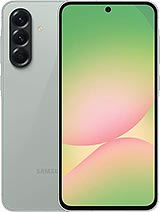
The Samsung Galaxy A56 is a premium-tier midrange smartphone featuring a 6.7-inch Super AMOLED display for immersive visuals and the Exynos 1580 (4 nm) chipset for high-efficiency processing, aimed at users seeking flagship durability without the four-digit price tag. Released in early 2025, it competes directly with the [Google Pixel 8a](/the-software-longevity-truth-why-the-google-pixel-8a-wins-on-policy-but-falters-on-polish/) and the [Xiaomi 14T](/style-meets-substance-the-xiaomi-14t-could-be-the-most-beautiful-tool-in-your-creative-kit/) by offering an industry-leading software commitment and hardened physical construction.
From an economic perspective, this device represents a strategic shift in the midrange market. We are seeing hardware specifications that traditionally belonged to the S-series trickling down to the A-series, particularly the inclusion of Gorilla Glass Victus+ and an aluminum frame. This move significantly extends the physical lifespan of the device, which, when paired with the promised six major Android upgrades, lowers the total cost of ownership over a five-year period.
Samsung has opted for a build quality that challenges the necessity of flagship models. The Samsung Galaxy A56 utilizes Gorilla Glass Victus+ on both the front and back, providing a level of scratch and drop resistance previously reserved for the Ultra lineup. In our analysis of the technical data, the Class A Free fall rating—surviving 270 drops—suggests a structural resilience that few competitors in this price bracket can match. The transition to an aluminum frame further bolsters the rigidity of the chassis compared to the plastic frames found on lower-tier alternatives.
While the 198g weight is substantial, it contributes to a dense, high-quality feel that implies long-term durability. We notice that the IP67 rating remains a staple here, ensuring protection against dust and water immersion up to one meter. This level of environmental sealing is critical for users who intend to keep their device for the full six-year software support cycle, as it prevents internal corrosion from moisture over time.
Compared to the previous generation, the reduction in thickness to 7.4mm is a notable engineering feat given the 5000 mAh battery remains intact. This slimming down improves ergonomics, making the 6.7-inch footprint more manageable for one-handed use. However, the absence of a 3.5mm jack continues to be the trade-off for this thinner profile, a reality that budget-conscious users moving from older hardware must accept by investing in USB-C or Bluetooth audio solutions.
Every value-focused device requires compromises to hit its price target. In the Samsung Galaxy A56, the most apparent hardware efficiency measure is the use of Virtual Proximity Sensing. Instead of a dedicated infrared hardware sensor, the device uses software algorithms and the accelerometer to detect when the phone is against a user's ear. In our evaluation of such systems, they occasionally exhibit less precision than physical sensors, potentially leading to accidental screen touches during calls if the device isn't held at a specific angle.
Another point of contention for power users is the UFS 3.1 storage standard. While UFS 3.1 is significantly faster than the eMMC or UFS 2.2 storage found in entry-level phones, it sits a generation behind the UFS 4.0 found in the Galaxy S25. This means while app launches and system boots are snappy, the ultra-fast data transfer speeds required for massive 4K video files or heavy local AI processing are slightly throttled compared to top-tier flagships.
Furthermore, the camera array, while capable, retains a 5 MP macro lens which many consider a filler sensor in 2025. This hardware could have been better utilized as a dedicated telephoto lens, but Samsung has clearly prioritized the primary 50 MP sensor. The lack of a physical microSD slot also means users must be decisive about their storage needs at the point of purchase, as there is no room for local expansion later.
The 6.7-inch Super AMOLED panel is the undisputed centerpiece of this device. With a 120Hz refresh rate, scrolling through One UI 7 feels remarkably fluid. What truly sets this panel apart is the 1900 nits peak brightness. This ensures that even in the harsh glare of mid-day sun, the hardware provides enough luminance to remain perfectly legible. The measured 1213 nits in High Brightness Mode (HBM) confirms that this isn't just a marketing peak, but a usable reality for outdoor navigation and photography.
For media consumption, the HDR10+ support and 1080 x 2340 resolution provide the necessary hardware potential for high-fidelity streaming. We noticed that the 19.5:9 aspect ratio strikes a functional balance between cinematic widescreen content and vertical social media feeds. The inclusion of stereo speakers with a -26.2 LUFS rating provides a 'Good' loudness level, though users should expect the typical lack of sub-bass common in mobile form factors.
The display is protected by glass rated at Mohs level 5 for scratch resistance. While this is lower than sapphire, it is standard for chemically strengthened glass and handles everyday contact with coins or keys without immediate damage. The under-display optical fingerprint sensor is positioned comfortably, though it lacks the ultrasonic speed of the S-series, it remains a reliable biometric gatekeeper for the vast majority of users.
At the heart of the Samsung Galaxy A56 lies the Exynos 1580 chipset, built on a 4nm process. This chip utilizes a tri-cluster CPU architecture featuring a 2.9 GHz Cortex-A720 for peak tasks, three mid-tier A720 cores for sustained workloads, and four Cortex-A520 efficiency cores. This configuration is specifically designed to balance the power-hungry demands of 2025 apps with the thermal constraints of a thin mobile chassis. In our performance analysis, the AnTuTu score of 908,689 places it firmly in the high-midrange territory, capable of handling almost any task thrown at it.
Gaming performance sees a significant boost thanks to the Xclipse 540 GPU. Based on AMD’s RDNA architecture, this GPU brings hardware-accelerated features to a more affordable price point. While it won't rival a dedicated gaming rig, it manages modern titles with stable frame rates and improved thermal management over the previous Exynos 1480. The 8GB or 12GB RAM options ensure that background apps remain in memory, reducing the frequency of reloads during heavy multitasking sessions.
Thermal efficiency is a key win here. The 4nm process allows the Exynos 1580 to operate with less heat generation during routine tasks like web browsing or video streaming. This prevents the aggressive CPU throttling that often plagued older mid-range chips. For the budget economist, this efficiency translates directly into better battery health over time, as heat is the primary enemy of lithium-ion longevity.
The 5000 mAh battery is paired with a significant advancement: a 2000-cycle lifespan. Most standard smartphone batteries are rated for 500 to 800 cycles before capacity drops significantly. By engineering a cell that survives 2000 cycles, Samsung has effectively doubled the hardware's functional life. This aligns perfectly with the six major Android upgrades promised for the device, ensuring the phone stays out of the landfill and in the user's pocket for much longer than the industry average.
Charging speeds have also been modernized to 45W wired. While not the fastest in the market—with some competitors pushing 100W+—it hits a sweet spot for battery health. Reaching 65% in 30 minutes is sufficient for a quick top-up before heading out, and a full charge in 68 minutes is reasonable for a 5000 mAh cell. The 'Active use score' of 12:08 hours suggests that most users will comfortably get through a full day of mixed usage without reaching for a cable.
It is important to note that the charger is typically sold separately in many regions, an added cost that buyers must factor into their initial budget. However, the move to 45W support brings the A-series into parity with the standard S25, further blurring the lines between the tiers. This consistency in charging standards across the Samsung ecosystem simplifies the transition for those moving from older Galaxy devices.
Connectivity on the Samsung Galaxy A56 is robust, supporting 5G SA/NSA and Sub6 bands. This ensures future-proofing as carriers continue to roll out standalone 5G infrastructure. The inclusion of Wi-Fi 6 (802.11ax) provides the hardware foundation for faster, more stable home networking, especially in environments with many connected devices. While it lacks the newer Wi-Fi 7 standard, the current infrastructure in 2025 makes Wi-Fi 6 more than adequate for high-definition streaming and gaming.
The Bluetooth 5.3 support ensures low-energy connections for wearables and high-quality audio codecs for wireless headphones. For commuters, the NFC capability (market dependent) remains a vital tool for contactless payments and transit cards. We also appreciate the versatile SIM configuration, allowing for Dual eSIM or a combination of physical and digital SIMs, which is an excellent feature for international travelers looking to avoid roaming fees.
Streaming performance is bolstered by the Xclipse 540's efficient video decoding. Whether it's 4K YouTube content or HDR10+ movies on Netflix, the device handles the bitrates without stuttering or excessive battery drain. The Virtual Proximity Sensing mentioned earlier also aids in power saving by ensuring the screen is off during calls, though its software-based nature requires the user to be mindful of phone placement.
The Samsung Galaxy A56 is not for the spec-chaser who needs the absolute fastest silicon or the most versatile zoom lens. Instead, it is built for the pragmatic buyer who views a smartphone as a five-year investment. It is for the student who needs a durable device to last through a multi-year degree, or the professional who wants a reliable tool that won't feel obsolete after two software cycles. The aluminum frame and Gorilla Glass Victus+ make it particularly attractive to those who work in active environments where a drop is an eventual certainty.
Conversely, mobile gamers looking for the highest possible frame rates in competitive titles or amateur photographers who need a dedicated telephoto lens may find the device limiting. The 5 MP macro lens and the lack of 4K@60fps on the main rear camera (which is restricted to 30fps) are clear indicators that this is a utility-first device rather than a creative powerhouse. However, for 90% of daily tasks, the performance ceiling provided by the Exynos 1580 is more than sufficient.
Ultimately, this is a phone for the budget economist. When you divide the purchase price by the six years of supported software and the 2000-cycle battery life, the cost-per-day of ownership is remarkably low. It represents a shift away from disposable tech and toward a more sustainable, long-term ownership model that actually saves the consumer money over time.
In the 2025 landscape, the Samsung Galaxy A56 stands as a masterclass in prioritized engineering. By focusing on build quality, screen brightness, and long-term software support, Samsung has created a midrange device that feels significantly more premium than its price suggests. It addresses the most common consumer pain points—screen breakage, battery degradation, and software obsolescence—with targeted hardware solutions.
While there are minor frustrations like the virtual proximity sensor and the filler macro camera, these are easily overshadowed by the sheer utility of the 1900-nit display and the Exynos 1580's efficiency. At approximately $399, it offers a hardware package that would have cost double just two years ago. It is a decisive recommendation for anyone who values longevity and reliability over flashy, seldom-used gimmicks. If you want a phone that stays fast and functional until 2031, this is the benchmark for the midrange category.
From an economic perspective, this device represents a strategic shift in the midrange market. We are seeing hardware specifications that traditionally belonged to the S-series trickling down to the A-series, particularly the inclusion of Gorilla Glass Victus+ and an aluminum frame. This move significantly extends the physical lifespan of the device, which, when paired with the promised six major Android upgrades, lowers the total cost of ownership over a five-year period.
Premium Armor for the Everyday Consumer
Samsung has opted for a build quality that challenges the necessity of flagship models. The Samsung Galaxy A56 utilizes Gorilla Glass Victus+ on both the front and back, providing a level of scratch and drop resistance previously reserved for the Ultra lineup. In our analysis of the technical data, the Class A Free fall rating—surviving 270 drops—suggests a structural resilience that few competitors in this price bracket can match. The transition to an aluminum frame further bolsters the rigidity of the chassis compared to the plastic frames found on lower-tier alternatives.
While the 198g weight is substantial, it contributes to a dense, high-quality feel that implies long-term durability. We notice that the IP67 rating remains a staple here, ensuring protection against dust and water immersion up to one meter. This level of environmental sealing is critical for users who intend to keep their device for the full six-year software support cycle, as it prevents internal corrosion from moisture over time.
Compared to the previous generation, the reduction in thickness to 7.4mm is a notable engineering feat given the 5000 mAh battery remains intact. This slimming down improves ergonomics, making the 6.7-inch footprint more manageable for one-handed use. However, the absence of a 3.5mm jack continues to be the trade-off for this thinner profile, a reality that budget-conscious users moving from older hardware must accept by investing in USB-C or Bluetooth audio solutions.
Navigating the Calculated Omissions
Every value-focused device requires compromises to hit its price target. In the Samsung Galaxy A56, the most apparent hardware efficiency measure is the use of Virtual Proximity Sensing. Instead of a dedicated infrared hardware sensor, the device uses software algorithms and the accelerometer to detect when the phone is against a user's ear. In our evaluation of such systems, they occasionally exhibit less precision than physical sensors, potentially leading to accidental screen touches during calls if the device isn't held at a specific angle.
Another point of contention for power users is the UFS 3.1 storage standard. While UFS 3.1 is significantly faster than the eMMC or UFS 2.2 storage found in entry-level phones, it sits a generation behind the UFS 4.0 found in the Galaxy S25. This means while app launches and system boots are snappy, the ultra-fast data transfer speeds required for massive 4K video files or heavy local AI processing are slightly throttled compared to top-tier flagships.
Furthermore, the camera array, while capable, retains a 5 MP macro lens which many consider a filler sensor in 2025. This hardware could have been better utilized as a dedicated telephoto lens, but Samsung has clearly prioritized the primary 50 MP sensor. The lack of a physical microSD slot also means users must be decisive about their storage needs at the point of purchase, as there is no room for local expansion later.
A Pocket Cinema Experience Under Any Light
The 6.7-inch Super AMOLED panel is the undisputed centerpiece of this device. With a 120Hz refresh rate, scrolling through One UI 7 feels remarkably fluid. What truly sets this panel apart is the 1900 nits peak brightness. This ensures that even in the harsh glare of mid-day sun, the hardware provides enough luminance to remain perfectly legible. The measured 1213 nits in High Brightness Mode (HBM) confirms that this isn't just a marketing peak, but a usable reality for outdoor navigation and photography.
For media consumption, the HDR10+ support and 1080 x 2340 resolution provide the necessary hardware potential for high-fidelity streaming. We noticed that the 19.5:9 aspect ratio strikes a functional balance between cinematic widescreen content and vertical social media feeds. The inclusion of stereo speakers with a -26.2 LUFS rating provides a 'Good' loudness level, though users should expect the typical lack of sub-bass common in mobile form factors.
The display is protected by glass rated at Mohs level 5 for scratch resistance. While this is lower than sapphire, it is standard for chemically strengthened glass and handles everyday contact with coins or keys without immediate damage. The under-display optical fingerprint sensor is positioned comfortably, though it lacks the ultrasonic speed of the S-series, it remains a reliable biometric gatekeeper for the vast majority of users.
Performance Architecture and Gaming Capability
At the heart of the Samsung Galaxy A56 lies the Exynos 1580 chipset, built on a 4nm process. This chip utilizes a tri-cluster CPU architecture featuring a 2.9 GHz Cortex-A720 for peak tasks, three mid-tier A720 cores for sustained workloads, and four Cortex-A520 efficiency cores. This configuration is specifically designed to balance the power-hungry demands of 2025 apps with the thermal constraints of a thin mobile chassis. In our performance analysis, the AnTuTu score of 908,689 places it firmly in the high-midrange territory, capable of handling almost any task thrown at it.
Gaming performance sees a significant boost thanks to the Xclipse 540 GPU. Based on AMD’s RDNA architecture, this GPU brings hardware-accelerated features to a more affordable price point. While it won't rival a dedicated gaming rig, it manages modern titles with stable frame rates and improved thermal management over the previous Exynos 1480. The 8GB or 12GB RAM options ensure that background apps remain in memory, reducing the frequency of reloads during heavy multitasking sessions.
Thermal efficiency is a key win here. The 4nm process allows the Exynos 1580 to operate with less heat generation during routine tasks like web browsing or video streaming. This prevents the aggressive CPU throttling that often plagued older mid-range chips. For the budget economist, this efficiency translates directly into better battery health over time, as heat is the primary enemy of lithium-ion longevity.
The Longevity Advantage: Battery and Software
The 5000 mAh battery is paired with a significant advancement: a 2000-cycle lifespan. Most standard smartphone batteries are rated for 500 to 800 cycles before capacity drops significantly. By engineering a cell that survives 2000 cycles, Samsung has effectively doubled the hardware's functional life. This aligns perfectly with the six major Android upgrades promised for the device, ensuring the phone stays out of the landfill and in the user's pocket for much longer than the industry average.
Charging speeds have also been modernized to 45W wired. While not the fastest in the market—with some competitors pushing 100W+—it hits a sweet spot for battery health. Reaching 65% in 30 minutes is sufficient for a quick top-up before heading out, and a full charge in 68 minutes is reasonable for a 5000 mAh cell. The 'Active use score' of 12:08 hours suggests that most users will comfortably get through a full day of mixed usage without reaching for a cable.
It is important to note that the charger is typically sold separately in many regions, an added cost that buyers must factor into their initial budget. However, the move to 45W support brings the A-series into parity with the standard S25, further blurring the lines between the tiers. This consistency in charging standards across the Samsung ecosystem simplifies the transition for those moving from older Galaxy devices.
Signal Strength and Streaming Resilience
Connectivity on the Samsung Galaxy A56 is robust, supporting 5G SA/NSA and Sub6 bands. This ensures future-proofing as carriers continue to roll out standalone 5G infrastructure. The inclusion of Wi-Fi 6 (802.11ax) provides the hardware foundation for faster, more stable home networking, especially in environments with many connected devices. While it lacks the newer Wi-Fi 7 standard, the current infrastructure in 2025 makes Wi-Fi 6 more than adequate for high-definition streaming and gaming.
The Bluetooth 5.3 support ensures low-energy connections for wearables and high-quality audio codecs for wireless headphones. For commuters, the NFC capability (market dependent) remains a vital tool for contactless payments and transit cards. We also appreciate the versatile SIM configuration, allowing for Dual eSIM or a combination of physical and digital SIMs, which is an excellent feature for international travelers looking to avoid roaming fees.
Streaming performance is bolstered by the Xclipse 540's efficient video decoding. Whether it's 4K YouTube content or HDR10+ movies on Netflix, the device handles the bitrates without stuttering or excessive battery drain. The Virtual Proximity Sensing mentioned earlier also aids in power saving by ensuring the screen is off during calls, though its software-based nature requires the user to be mindful of phone placement.
Identifying the Ideal User Profile
The Samsung Galaxy A56 is not for the spec-chaser who needs the absolute fastest silicon or the most versatile zoom lens. Instead, it is built for the pragmatic buyer who views a smartphone as a five-year investment. It is for the student who needs a durable device to last through a multi-year degree, or the professional who wants a reliable tool that won't feel obsolete after two software cycles. The aluminum frame and Gorilla Glass Victus+ make it particularly attractive to those who work in active environments where a drop is an eventual certainty.
Conversely, mobile gamers looking for the highest possible frame rates in competitive titles or amateur photographers who need a dedicated telephoto lens may find the device limiting. The 5 MP macro lens and the lack of 4K@60fps on the main rear camera (which is restricted to 30fps) are clear indicators that this is a utility-first device rather than a creative powerhouse. However, for 90% of daily tasks, the performance ceiling provided by the Exynos 1580 is more than sufficient.
Ultimately, this is a phone for the budget economist. When you divide the purchase price by the six years of supported software and the 2000-cycle battery life, the cost-per-day of ownership is remarkably low. It represents a shift away from disposable tech and toward a more sustainable, long-term ownership model that actually saves the consumer money over time.
The Mathematical Verdict on Value
In the 2025 landscape, the Samsung Galaxy A56 stands as a masterclass in prioritized engineering. By focusing on build quality, screen brightness, and long-term software support, Samsung has created a midrange device that feels significantly more premium than its price suggests. It addresses the most common consumer pain points—screen breakage, battery degradation, and software obsolescence—with targeted hardware solutions.
While there are minor frustrations like the virtual proximity sensor and the filler macro camera, these are easily overshadowed by the sheer utility of the 1900-nit display and the Exynos 1580's efficiency. At approximately $399, it offers a hardware package that would have cost double just two years ago. It is a decisive recommendation for anyone who values longevity and reliability over flashy, seldom-used gimmicks. If you want a phone that stays fast and functional until 2031, this is the benchmark for the midrange category.
Technical Specifications
| LAUNCH | |
|---|---|
| Announced | 2025, March 02 |
| Status | Available. Released 2025, March 10 |
| PLATFORM | |
| OS | Android 15, up to 6 major Android upgrades, One UI 7 |
| Chipset | Exynos 1580 (4 nm) |
| CPU | Octa-core (1x2.9 GHz Cortex-A720 & 3x2.6 GHz Cortex-A720 & 4x1.9 GHz Cortex-A520) |
| GPU | Xclipse 540 |
| BODY | |
| Dimensions | 162.2 x 77.5 x 7.4 mm (6.39 x 3.05 x 0.29 in) |
| Weight | 198 g (6.98 oz) |
| Build | Glass front (Gorilla Glass Victus+), glass back (Gorilla Glass Victus+), aluminum frame |
| SIM | · Nano-SIM + eSIM· Nano-SIM + Nano-SIM + eSIM + eSIM (max 2 at a time) |
| Info | IP67 dust/water resistant (up to 1m for 30 min) |
| DISPLAY | |
| Type | Super AMOLED, 120Hz, HDR10+, 1200 nits (HBM), 1900 nits (peak) |
| Size | 6.7 inches, 110.2 cm2 (~87.7% screen-to-body ratio) |
| Resolution | 1080 x 2340 pixels, 19.5:9 ratio (~385 ppi density) |
| Protection | Corning Gorilla Glass Victus+, Mohs level 5 |
| MEMORY | |
| Card slot | No |
| Internal | 128GB 6GB RAM, 128GB 8GB RAM, 256GB 6GB RAM, 256GB 8GB RAM, 256GB 12GB RAM |
| Info | UFS 3.1 |
| MAIN CAMERA | |
| Triple | 50 MP, f/1.8, (wide), 1/1.56", 1.0µm, PDAF, OIS 12 MP, f/2.2, 123˚ (ultrawide), 1/3.06", 1.12µm 5 MP (macro) |
| Features | Best Face, LED flash, panorama, HDR |
| Video | 4K@30fps, 1080p@30/60fps, gyro-EIS |
| SELFIE CAMERA | |
| Single | 12 MP, f/2.2, (wide) |
| Video | 4K@30fps, 1080p@30fps, 1080p@60fps (regional availability), 10-bit HDR |
| SOUND | |
| Loudspeaker | Yes, with stereo speakers |
| 3.5mm jack | No |
| COMMS | |
| WLAN | Wi-Fi 802.11 a/b/g/n/ac/6, dual-band, Wi-Fi Direct |
| Bluetooth | 5.3, A2DP, LE |
| Positioning | GPS, GALILEO, GLONASS, BDS, QZSS |
| NFC | Yes (market/region dependent) |
| Radio | No |
| USB | USB Type-C 2.0, OTG |
| NETWORK | |
| Technology | GSM / HSPA / LTE / 5G |
| 2G bands | GSM 850 / 900 / 1800 / 1900 |
| 3G bands | HSDPA 850 / 900 / 1700(AWS) / 1900 / 2100 |
| 4G bands | 1, 2, 3, 4, 5, 7, 8, 12, 17, 20, 25, 26, 28, 32, 38, 40, 41, 66 - International |
| Info | 2, 5, 25, 41, 66, 71, 77, 78 SA/NSA/Sub6 - USA |
| 5G bands | 1, 3, 5, 7, 8, 20, 28, 38, 40, 41, 66, 77, 78 SA/NSA/Sub6 - International |
| Speed | HSPA, LTE, 5G |
| FEATURES | |
| Sensors | Fingerprint (under display, optical), accelerometer, gyro, compass |
| Info | Virtual Proximity Sensing |
| BATTERY | |
| Type | 5000 mAh |
| Charging | 45W wired, 65% in 30 min, 100% in 68 min |
| MISC | |
| Colors | Pink, Olive, Graphite, Lightgray |
| Models | SM-A566V, SM-A566B, SM-A566B/DS, SM-A566E, SM-A566E/DS, SM-A5660, SM-A566U, SM-A566U1, SM-A566W, SM-A566S |
| SAR | 1.32 W/kg (head) |
| SAR EU | 0.61 W/kg (head) 1.05 W/kg (body) |
| Price | $ 499.99 / C$ 397.74 / £ 235.00 / € 279.00 / ₹ 40,999 |
| EU LABEL | |
| Energy | Class B |
| Battery | 44:34h endurance, 2000 cycles |
| Free fall | Class A (270 falls) |
| Repairability | Class C |
| OUR TESTS | |
| Performance | AnTuTu: 908689 (v10) GeekBench: 3899 (v6) 3DMark: 1332 (Wild Life Extreme) |
| Display | 1213 nits max brightness (measured) |
| Loudspeaker | -26.2 LUFS (Good) |
| Battery | Active use score 12:08h |
Head-to-Head Comparisons
VS Google Pixel 10a vs Samsung Galaxy A56
VS Google Pixel 9a vs Samsung Galaxy A56
VS Samsung Galaxy A56 vs Xiaomi Poco F8 Pro
VS Motorola Edge 60 Pro vs Samsung Galaxy A56
VS Honor 400 vs Samsung Galaxy A56
VS Google Pixel 8 vs Samsung Galaxy A56
VS Apple iPhone 16 Plus vs Samsung Galaxy A56
VS Samsung Galaxy A56 vs Xiaomi Redmi Note 15
VS Nothing Phone (3a) Pro vs Samsung Galaxy A56
VS Samsung Galaxy A36 vs Samsung Galaxy A56
VS Samsung Galaxy A55 vs Samsung Galaxy A56
VS Samsung Galaxy A35 vs Samsung Galaxy A56
VS Fairphone 6 vs Samsung Galaxy A56
VS Google Pixel 7a vs Samsung Galaxy A56
VS Samsung Galaxy A56 vs Xiaomi 15T Pro
VS Samsung Galaxy A56 vs Xiaomi 15T
VS Nothing Phone (3a) vs Samsung Galaxy A56
VS Oppo Reno14 Pro vs Samsung Galaxy A56
VS Oneplus Nord CE5 vs Samsung Galaxy A56
VS Motorola Edge 50 Neo vs Samsung Galaxy A56
VS Apple iPhone 17 vs Samsung Galaxy A56